A clean home is rarely the result of one heroic afternoon spent scrubbing every surface. More often, it comes from knowing what needs attention now, what can wait, and which small habits prevent a minor mess from becoming a major project. Some households create that rhythm independently, while others maintain it with bluebird cleaning co., rocky mount, nc when busy schedules make detailed upkeep difficult. The goal is not to keep every room picture-perfect. It is to create a practical system that protects your time and makes your home feel comfortable throughout the week.
Clean According to How Your Home Is Used
Every household develops its own patterns, which means a universal cleaning schedule will not always make sense.
A kitchen used for three daily meals may need frequent attention, while a guest room can remain untouched for weeks. A busy entryway may collect dirt quickly, yet a formal dining area may only need occasional dusting. Instead of assigning every room the same level of care, notice where people spend time, where belongings gather, and which surfaces become dirty first.
This approach helps you direct energy toward the spaces that affect daily life. When the busiest areas are under control, the rest of the home often feels easier to manage.
Tidy Before Reaching for Cleaning Products
Trying to clean around clutter adds time to every task and makes progress harder to see.
Before wiping counters or vacuuming floors, spend a few minutes returning items to their proper places. Take dishes to the kitchen, place clothing in a hamper, throw away rubbish, and collect anything that belongs in another room. A basket can be useful when several misplaced items need to be moved at once.
Once surfaces and floors are clear, the actual cleaning becomes much faster. You can work without repeatedly stopping to move objects, and you are less likely to miss hidden crumbs, dust, or spills.
Use the Right Order to Avoid Doing Work Twice
A thoughtful sequence can turn a tiring cleaning session into a much smoother process.
Start with higher surfaces and gradually move downward. Dust ceiling fans, shelves, picture frames, lamps, and furniture before dealing with the floor. Any particles that fall will be collected when you vacuum or mop at the end.
It also helps to work around each room in one direction. Begin near the doorway and follow the walls until you return to where you started. This creates a clear path, reduces unnecessary movement, and makes overlooked areas easier to spot.
Give Products Time to Work
More scrubbing does not always produce better results. Sometimes a cleaning product simply needs a few minutes to loosen the buildup beneath it.
Apply the appropriate formula according to its label, then complete another nearby job while it sits. You might wipe a mirror, empty a bin, or put away toiletries before returning to the treated surface. Grease, dried spills, and soap residue are often easier to remove after a short waiting period.
Never combine products unless the manufacturer clearly states that doing so is safe. Keep the room ventilated when needed, wear gloves when appropriate, and store every formula where children and pets cannot reach it.
Give Carpets More Than a Quick Pass
Carpet cleaning should go beyond rapidly vacuuming the visible center of a room. Slow passes give the machine more time to collect embedded debris, while attention along baseboards, beneath movable furniture, and near doorways helps remove buildup from commonly missed areas. Promptly blotting spills can also reduce the chance of permanent marks. Regular vacuum maintenance, timely filter replacement, and occasional deeper treatment all contribute to improving indoor air quality through better carpet care while helping soft flooring look and feel fresher.
Reset the Kitchen Before Going to Bed
The kitchen can influence how the whole home feels, especially when yesterday’s mess is still waiting in the morning.
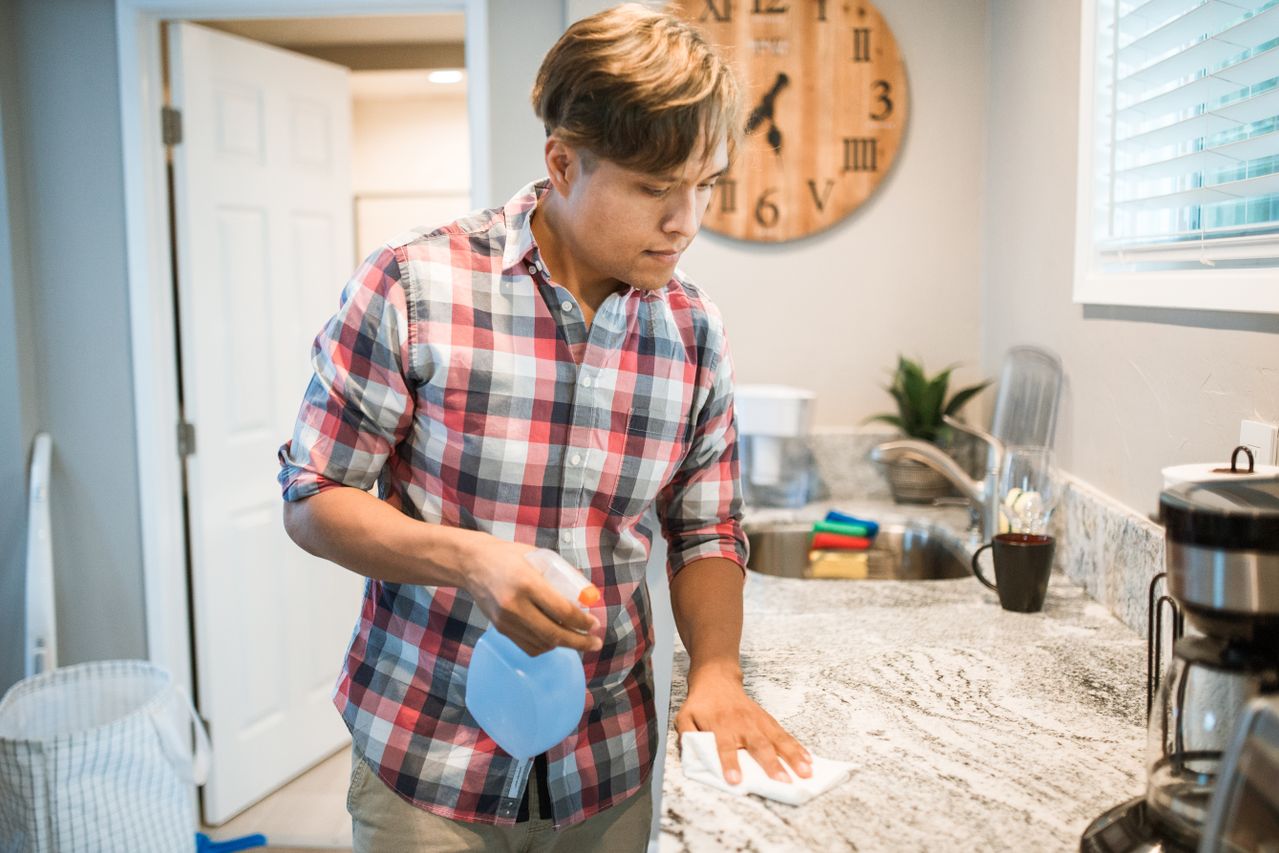
A nightly reset does not need to involve deep scrubbing. Wash or load the dishes, clear the main counters, put food away, and sweep noticeable crumbs from the floor. Wipe fresh spills before they harden and check that damp cloths or sponges have space to dry.
This simple routine creates a cleaner starting point for breakfast, coffee, and meal preparation the next day. It also helps prevent odors, pests, and stubborn residue from developing overnight.
Keep Moisture From Taking Over
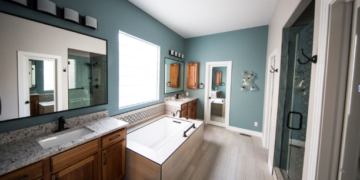
Rooms exposed to frequent moisture need consistent airflow and a little extra attention.
Use available ventilation during and after showers, hang towels where they can dry fully, and avoid leaving damp clothing in piles. Wipe obvious splashes from counters and surrounding surfaces before water spots or residue become harder to remove.
Check less visible areas periodically, especially around seals, corners, and the edges of fixtures. Moisture can remain in narrow spaces even when the rest of the room appears dry. Addressing these areas early is much easier than dealing with widespread buildup later.
Make Frequently Touched Areas Part of the Routine
Some of the most used surfaces in a home are also the easiest to overlook.
Door handles, light switches, cabinet pulls, appliance handles, remote controls, and stair rails collect fingerprints and grime throughout the day. Giving them a quick wipe during regular upkeep takes only a few minutes but creates a noticeable finishing touch.
Use a product that is appropriate for the material, particularly on painted surfaces, electronics, wood, and metal finishes. Spraying a cloth rather than the object itself can offer better control and reduce the chance of excess moisture entering delicate areas.
Rotate the Jobs That Do Not Need Weekly Attention
Not every household task belongs on a weekly checklist. Some areas can be cleaned less often without being forgotten entirely.
Create a rotating list for baseboards, doors, cabinet fronts, appliance interiors, light fixtures, storage shelves, and spaces beneath heavy furniture. Choose one or two of these tasks during each cleaning session rather than attempting all of them at once.
Rotating deeper jobs distributes the workload across the month. It also prevents the familiar situation where every overlooked area suddenly needs attention on the same weekend.
Make Short Cleaning Sessions Count
A focused fifteen-minute session can accomplish more than an hour of distracted movement between unrelated jobs.
Choose one clear objective before starting. You might reset the living room, clean the main washroom, vacuum the bedrooms, or clear the kitchen counters. Stay with that task until it is finished rather than following every new distraction into another part of the home.
Using a timer can make it easier to begin. The session has a defined endpoint, so the work feels manageable rather than endless. Once the timer finishes, you can stop without guilt or continue if you have found momentum.
Know When Outside Help Makes Sense
There are seasons when even a good routine becomes difficult to maintain.
Work deadlines, family responsibilities, illness, travel, celebrations, or major household changes can quickly disrupt normal upkeep. Professional support may provide a useful reset, help prepare for guests, or keep routine tasks from consuming limited free time.
Getting assistance does not mean you have failed to care for your home. It means you are choosing where your energy is most valuable. A dependable service can handle time-consuming details while you focus on work, family, rest, or the responsibilities that cannot be delegated.
Build a Home That Is Easy to Recover
The best cleaning routine is not the one that keeps a home flawless. It is the one that makes ordinary mess easy to correct.
Focus first on the rooms that influence your day. Clear clutter before cleaning, work in a logical order, and divide larger jobs into realistic sessions. Pay attention to moisture, busy floors, frequently touched surfaces, and the hidden areas that benefit from occasional care.
Life will continue to create dishes, laundry, crumbs, and clutter. With better timing and a flexible routine, those signs of daily living do not have to take over. Your home can remain welcoming, functional, and comfortable without demanding every spare hour you have.