Old money aesthetics have grown in popularity in fashion design in recent years. It is often thought to revolve around prohibitively expensive high fashion. The less narrow interpretation is actually much simpler and revolves around using classic color schemes.
Old money aesthetics do not concern themselves with fleeting fashion trends. The wealthiest people know how to select and coordinate hues of less saturated or “trendy” colors. It aims to create style collections that are accepted everywhere and refined and elegant. Learning your color theory will provide you with the ability to build complex wardrobes that never feel like “too much.”
The Old Money Color Palette
Old money aesthetics are not big fans of statement colors, and prefer a less saturated color palette. Old money color foundations can include:
- Navy
- Cream and off-white
- Camel
- Brown
- Olive green
- Charcoal grey
- Light blue
- Burgundy
These hues have graced classic menswear for decades because of their interseason capability and confidence without drawing attention.
These foundational colors can help you create a smaller wardrobe that is stylish, coordinated, and versatile.
Old Money’s Best Color Pairing
Old money style revolves around classic color pairings. Very few color pairings personify old money style better than cream and navy. The touch of cream against a classic navy is elegant without being too much.
A navy blazer and cream trousers are perfect for business casual and summer events. Brown leather shoes are a warm, organic finish to the overall look.
Best Environments
- Business casual
- Country clubs
- Summer social events
- Coast vacations
Winter and dark-colored locations may make the cream trousers feel out of place.
Camel and White: Relaxed Sophistication
The color camel is a good old money signifier. Paired with white, it feels classy and effortless.
Camel trousers and a white Oxford shirt are the perfect balance between casual and refined. This works especially well in the warmer months.
Best Environments
- Resorts
- Mediterranean weather
- Daytime social events
- Spring and summer
This color scheme can feel out of place for formal evening events or during the colder months.
Brown and Light Blue: Understated Elegance
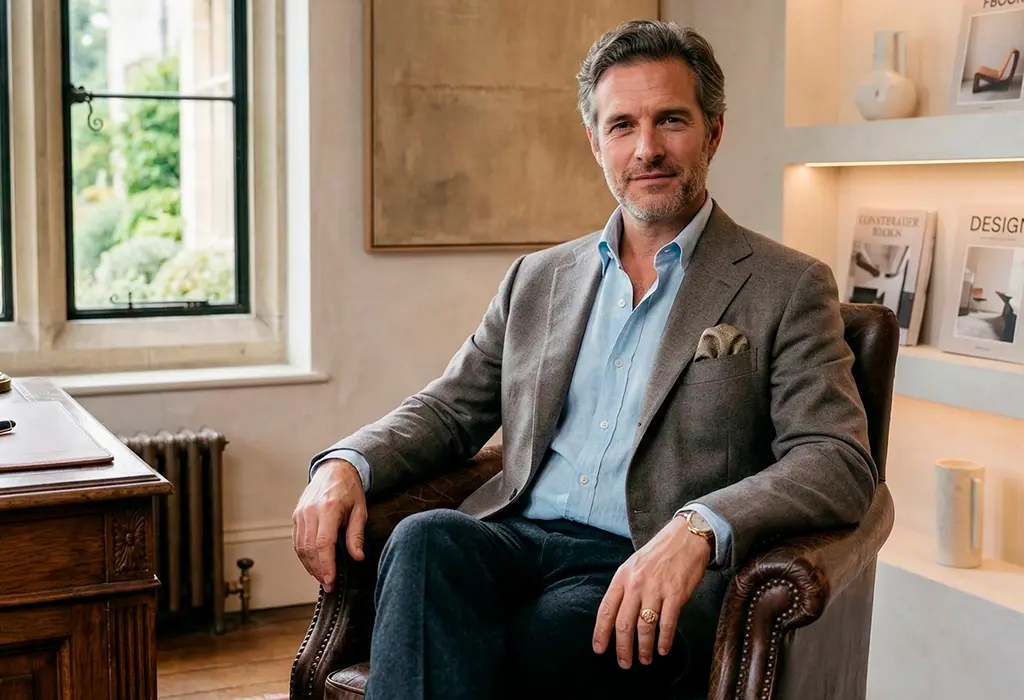
One of the most versatile color schemes in the classic menswear palette is brown with light blue. Blue’s cool tones balance the warm brown, creating a refined yet relaxed look.
A brown sport coat over a light blue shirt is a great option for lunches, travel, and smart casual events. If you want to add more earth tones to your wardrobe, a brown designer shirt is a good option that’s more interesting than standard blue or white shirts and still stays true to the old-money style.
Best Environments
- Smart casual
- Autumn wardrobes
- Business lunches
- Weekend travel
Dark brown pieces can be too heavy for very hot weather.
Olive and Cream: The Countryside Palette
Country living influences old money style, so olive is a key color. When paired with cream pants or cream-colored knits, olive is still an old-money style.
Best Environments
- Countryside events
- Outdoor events
- Autumn weekends
- Casual social events
For very formal settings, olive won’t be as appropriate.
Charcoal and Burgundy: Refined Evening Wear
If an event requires a richer color palette, charcoal and burgundy are perfect.
Charcoal pants and a burgundy sweater or tie make a perfect combination for evening events and colder weather.
Best Environments
- Fall and winter events
- Evening dinners
- Formal social events
- Holiday gatherings
During the day in summer, this color palette is too dark and too serious.
Changing Your Color Palette Depending on the Setting
The “old money” style is all about creating the perfect look. It’s easy to look at a person and see the colors they’ve chosen to wear. The best put-together people instinctively know which colors to wear depending on the setting they find themselves in.
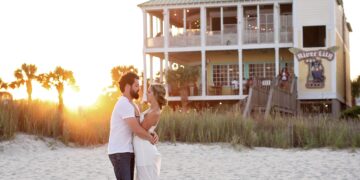
On the Coast
Lighter colors are often chosen by those who live by the coast.
The best options are:
- Light blue
- Light navy
- Stone
- Cream
Coastal colors reflect the relaxed, informal, and breezy hues of the ocean.
City Life
Cities often call for more structured, versatile color choices.
The best options are:
- White
- Brown
- Charcoal
- Navy
City colors are those that can easily be transitioned from work to play.
The Countryside
Those in rural and natural surroundings often choose palettes of warmer, earthier tones.
The best options are:
- Burgundy
- Brown
- Camel
- Olive
These shades work with the rural palettes of country clothing.
What You Can Do Wrong
The first thing you should know when building an old money wardrobe is that less is often more. People tend to make the mistake of overdoing trendy colored clothing or statement pieces.
Don’t use:
- Largely black outfits
- Bright, statement trend colors
- A large amount of large logos
- Too many colors that contradict each other
- Branding over color coordination
Color coordination will always make you appear more sophisticated than an outfit built around expensive labels.
Summary
With an old-money style, you can show that you are consistent and pay attention to the little things and the overall refinement of your look. Sticking to classic shades of brown, olive, camel, and cream will show that you can style your clothing for any season and occasion.
The “Old Money” Style is known for its effortless approach to a highly curated, high-quality, well-put-together look. As a way to emulate that, try focusing on what you choose to put in your closet. Rather than filling your closet with whatever is on trend for the season, consider a color palette. When you complement everything in your closet, getting dressed isn’t stressful, and you continue to look good all the time.