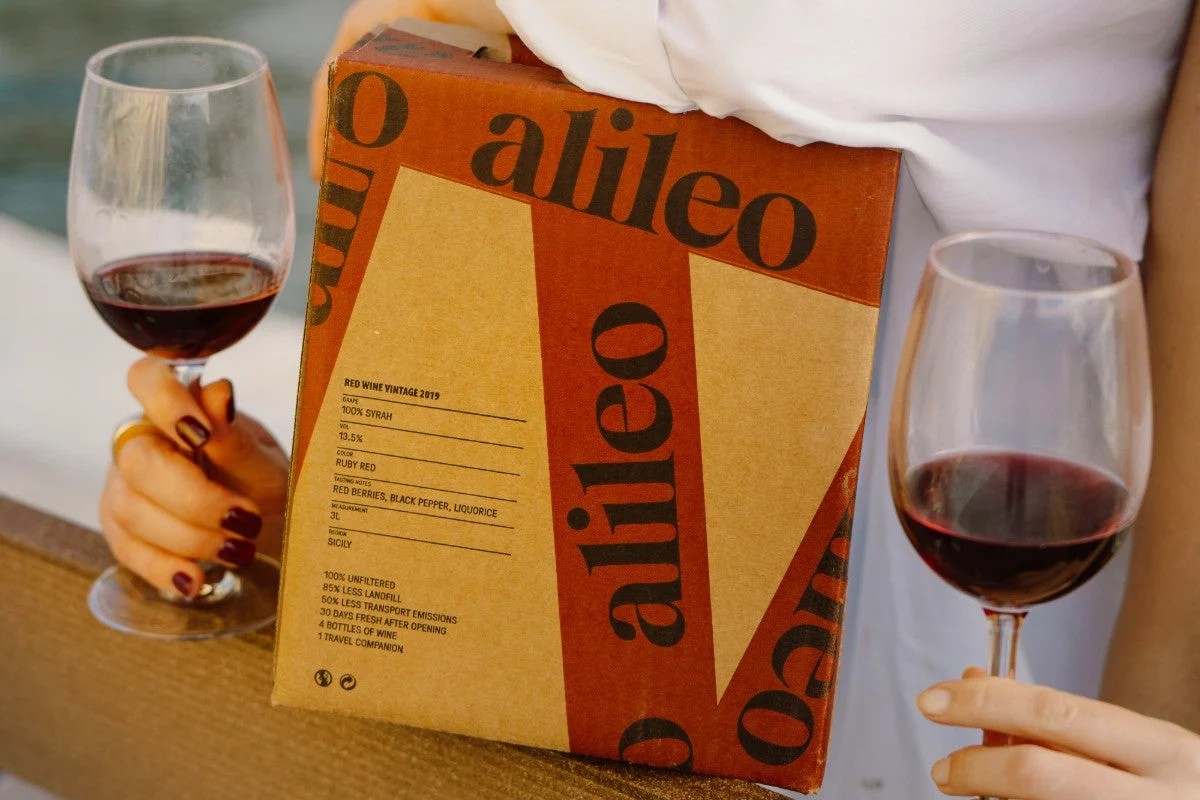
Key Takeaways
- Traditional glass bottles contribute significantly to the wine industry’s total carbon emissions.
- Innovation in packaging, such as pouches and boxes, improves shipping efficiency and reduces weight.
- Consumer interest in eco-friendly alternatives is rising, driven by a desire for convenience and lower waste.
- Transitioning to new formats helps wineries adapt to future climate regulations while maintaining wine quality.
The Environmental Impact of Traditional Wine Packaging
Winemaking is deeply tied to the land, yet the vessels often used to transport its bounty carry a heavy environmental cost. For decades, the industry has relied on conventional materials that prioritize traditional aesthetics over ecological efficiency. Moving toward more mindful choices requires rethinking how we present our products to the world, ensuring that our environmental impact remains as refined as the wine inside.
The Carbon Footprint of Glass Production
Glass manufacturing is an energy-intensive process that requires extreme heat, leading to significant greenhouse gas emissions. Most glass production currently centers on high-volume methods that are not optimized for environmental preservation, creating a legacy of waste from the initial forging process to the final product stage.
Transportation Emissions and the Weight of Luxury
The physical weight of standard glass bottles makes logistics inherently costly from an emissions perspective. Because these containers are heavy and fragile, shipping them across continents requires more fuel, effectively ballooning the total carbon output per bottle delivered to the end consumer.
Landfill Contributions and the Recycling Reality
While glass is theoretically endlessly recyclable, the reality of global infrastructure often leaves much to be desired. Many bottles end up in landfills, and even where programs exist, the energy required for transport and re-melting remains substantial. Wineries must consider the lifecycle of their materials to address these persistent issues:
- Excessive packaging components like heavy foil capsules increase overall weight.
- Low regional recycling rates prevent circular use of high-quality glass.
- Inefficient logistical routing compounds the carbon cost of regional distribution.
- Single-use glass containers necessitate constant raw material harvesting.
Addressing these specific pain points through better material management serves as a critical step toward a more sustainable future for the modern industry.
Exploring Sustainable Wine Packaging Alternatives
The industry is witnessing a shift as producers recognize that high-quality wine does not require traditional heavy glass. By embracing modern formats, vintners can reduce their environmental footprint without compromising the integrity of the vintage. Many of these solutions allow for a more efficient journey from the vineyard to the tasting table.
Lightweighting Glass Technology
Advanced engineering has allowed manufacturers to reduce the thickness of glass while keeping bottles structurally sound. This technical development makes a measurable difference in shipping emissions, meaning that the lighter weight directly translates to a smaller environmental footprint for the winery.
The Rise of Canned Wine and Portability
Cans have moved far beyond their casual origins, offering an incredibly efficient and light way to transport wine. Their portability makes them a favorite for outdoor occasions, while their recyclability ensures that they remain a valuable material in the circular economy.
Bag-in-Box and Sustainable Pouch Innovations
Modern bag-in-box systems have revolutionized wine storage, offering superior air-tight preservation that keeps wine fresh long after opening. These formats are remarkably lightweight and efficient to ship, serving as a pillar of responsible and forward-thinking wine distribution throughout the modern beverage sector.
Emerging Paper-Based Bottle Solutions
Innovative paper-based materials create a sturdy, lightweight shell that significantly lowers the carbon footprint compared to glass. These solutions represent an exciting frontier that maintains the recognizable silhouette drinkers appreciate while significantly reducing the energy required for both creation and transit.
Consumer Perception and the Market for Sustainability
Shoppers are increasingly vocal about their environmental values and prefer to purchase where their beliefs are reflected. Packaging is often the first touchpoint consumers have with a brand, making it a powerful vehicle for communicating sustainability. As awareness grows, brands that adapt to these shifting demographics find themselves better positioned in a competitive landscape.
How Packaging Choices Influence Consumer Purchasing Decisions
Today’s wine drinkers look for transparency and environmental responsibility in their purchases. When a bottle or container demonstrates a clear commitment to the planet, it often becomes a deciding factor that helps a shopper choose that specific label over others.
Aligning Brand Identity With Eco-Conscious Shoppers
Brands are discovering that their choice of vessel acts as a clear signal of their internal values. By adopting materials that emphasize sustainability, producers can build deeper trust and long-term loyalty with individuals who prioritize the health of the earth alongside their taste preferences.
Dispelling the Myth That Heavy Bottles Denote Premium Quality
There is a long-standing association between heavy, luxury glass and high quality, but this perception is fading rapidly. Savvy drinkers are learning that the quality of the wine itself, such as fine bottles offered when you buy organic Sicilian wine online, is what truly defines its character, not the thickness of the glass.
Economic and Logistical Benefits for Wineries
Efficiency is the silent driver of environmental improvement, and logistical upgrades often yield significant cost savings for producers. By optimizing how products move through the supply chain, companies decrease their dependence on fuel-heavy transport. This shift fosters a more agile business model that responds better to both economic and climate-related stressors.
Reducing Shipping Costs Through Optimized Weight and Volume
Optimized packaging solutions allow producers to pack more units into each shipping container, maximizing space and lowering the cost per bottle. This efficiency not only saves money but also dramatically cuts down the emissions associated with moving goods around the globe.
Improving Warehouse Storage and Shelf Space Efficiency
Compact packaging formats allow for better density in warehouses and retail displays. The ability to stack and store products more efficiently helps retailers utilize their footprints more effectively, leading to improved overhead costs across the board.
Meeting Criteria for Green Supply Chain Certifications
Many certification programs look closely at how a company manages its total waste and carbon output. Adopting lean, sustainable packaging simplifies the path to these credentials, helping wineries prove their commitment to a greener supply chain to their investors and current customers.
Navigating the Challenges of Transitioning to New Formats
Moving away from the traditional bottle is a significant shift that invites both curiosity and some internal friction. Producers must carefully manage the transition to maintain trust with their existing base. Open communication about the benefits of change represents the best way to handle this evolution successfully.
Preserving Shelf Life and Internal Wine Quality
Keeping the product pristine remains the primary goal regardless of the material. Whether using sustainable wine packaging like pouches or specialized boxes, ensuring technical protection against oxidation is non-negotiable for any winery wanting to maintain its reputation.
Overcoming Consumer Skepticism Regarding Non-Glass Materials
Education is the most powerful tool for addressing outdated notions about material quality. By demonstrating the performance and freshness preserved in modern, eco-friendly vessels, producers can steadily build confidence among even the most skeptical drinkers.
Balancing Winemaking Tradition With Modern Environmental Necessity
Respecting the craft often involves looking forward rather than backward. Producers like Alileo Wines balance traditional viticulture with the realities of the modern climate, showing that it is entirely possible to honor heritage while embracing necessary, low-carbon innovations.
The Future of Low-Carbon Wine Distribution
The path toward a genuinely sustainable drink involves a total rethink of the supply chain. From the source in the vineyard to the final point of sale, every stage of transit contributes to the total equation. By focusing on smart, circular practices, the industry can create a resilient framework for the generations that follow.
Implementing Circular Economy Practices in Bottling
Creating closed-loop systems for reusable or highly recyclable materials is the ultimate goal for the industry. This requires cooperation between producers, distributors, and consumers to ensure that containers are recovered and reprocessed effectively, minimizing the leakage of materials into landfills.
The Role of Localized Distribution and Bulk Shipping
Shipping wine in larger, more efficient volumes before bottling closer to the point of consumption is a proven strategy for minimizing carbon impact. By removing the need to ship heavy glass over vast distances, brands significantly lighten their travel-related footprint.
Preparing for Future Climate Regulations and Carbon Taxes
Proactive adaptation is a smarter stance than waiting for external mandates. By integrating efficiency today, companies protect themselves from the rising costs of carbon, ensuring their business remains steady regardless of shifting political or environmental regulations.
Conclusion
Transitioning toward more efficient, sustainable packaging is not just an environmental imperative; it is a profound opportunity for the wine industry to reclaim its connection with the earth. By embracing innovation, wineries can reduce their carbon footprint while continuing to deliver exceptional quality to their customers. As the industry evolves, the most successful brands will be those that view sustainability as a core component of their craft, ensuring that every bottle is as friendly to the planet as it is to the palate.
Frequently Asked Questions
Is Sustainable Packaging Really as Effective as Glass at Keeping Wine Fresh?
Advanced materials are engineered specifically to prevent oxygen exposure and light damage, making many modern formats just as protective, if not better, than traditional glass.
Can Consumers Recycle All Types of Alternative Wine Containers?
The recyclability depends on the material, but many modern solutions like aluminum cans and specially designed pouches have highly established and efficient recycling pathways.
Are Boxed or Canned Wines Strictly for Younger Demographics?
Interest in convenience and sustainability spans all age groups, as mature wine drinkers increasingly prioritize environmental responsibility alongside taste and long-term shelf stability.
Will Moving Away From Glass Damage the Luxury Appeal of Premium Wines?
Premium status is increasingly defined by winemaking prowess and ethical business practices, meaning that modern, sustainable packaging can actually enhance a brand’s prestige in the eyes of conscious consumers.
Do Alternative Packaging Formats Make It Easier for Domestic Shipping?
Lower weight and more durable shapes simplify logistics, potentially lower delivery costs, and reduce the chance of breakage during transportation to the customer’s doorstep.
How Do Wineries Justify the Shift to Customers Who Expect Traditional Bottles?
Producers share the specific environmental benefits of their chosen format, often highlighting the preservation of wine quality and the reduced overall carbon footprint as part of their brand’s story.
Does Localized Bottling Actually Reduce Global Carbon Emissions?
Reducing the shipping volume of empty glass or finished bottles between continents represents one of the most effective ways to lower the overall lifecycle emissions of a wine label.
Elevate Your Wine Experience Today
Join the movement by exploring delicious, naturally made wines that respect the environment. You can discover your next favorite wine from our collection to support sustainable practices with every single glass.