Behind closed doors, fulfillment centers are undergoing a quiet shift. Electric motors, smart sensors, and automated lifts now handle routine material handling tasks.
These smooth operations reduce physical stress on workers and speed up order fulfillment. Modern logistics facilities rely on quiet computer systems to coordinate movement across the floor, replacing noisy older equipment with silent precision.
Image source:https://www.pexels.com/photo/interior-of-warehouse-5827062/
Smart Hardware Behind Modern Storage
Commercial storage buildings operate with remarkable calm compared to facilities from 2 decades ago. Legacy facilities relied on manual lifting, but professionals from Vertical Storage USA say high-density vertical systems maximize floor space through direct vertical retrieval. This shift removes physical strain from operators and shrinks the physical footprint required for inventory.
Automated vertical inventory modules bring stock directly to operators at ideal ergonomic heights.
Floor space gains allow facilities to store twice as many items within existing building walls. Bringing goods to the worker removes thousands of walking steps each shift, boosting overall workplace safety.
Interconnected Systems Transforming Operations
Digital network integration connects physical hardware directly to central inventory databases. Research from MIT highlights a shift toward highly automated, interconnected systems that leverage digital technology to improve precision, flexibility, and efficiency. Real-time tracking keeps every item accounted for from receiving to final dispatch.
These interconnected setups adjust stock movements dynamically when order volumes spike suddenly. Facilities adapt instantly to supply chain swings without stopping daily operations. Connected networks make sure that inventory levels update instantly across all sales channels.
Streamlined User Interfaces And Rapid Onboarding
Hardware upgrades require clear user interfaces so team members can operate machinery right away. Simple graphical screens remove steep learning curves for new hires on the facility floor.
Easy software navigation allows workers to master complex warehouse management tools in hours instead of weeks.
Government research through SBIR shows that tools like the Oculus controller offer advanced analytical capabilities through graphical interfaces, facilitating fast onboarding with minimal training requirements.
Visual software panels let managers track workflows easily and reduce operator mistakes. Intuitive controls make daily inventory tasks simple for workers of all skill levels.
Calculating Space And Labor Efficiency
Facility directors evaluate every potential upgrade before purchasing automated machinery. Analysis from the Indian Institute of Materials Management notes that potential savings in space and labor must be determined prior to purchasing equipment. Management teams run detailed cost projections to verify long-term financial advantages.
Calculating these metrics helps leadership choose the right tools for their exact operational needs. Key metrics evaluated during initial facility assessments include:
- Total square footage saved through vertical stacking
- Average order picking cycle speed per employee
- Labor hour reductions across standard work shifts
- Reduction in order processing error rates
Clear data gives companies confidence when replacing outdated manual setups with modern technology. Long-term returns justify the initial investment quickly through consistent labor and space savings.
Quiet Shifts In Daily Warehouse Workflows
Noise levels inside commercial storage buildings dropped significantly when electric motors replaced gas-powered forklifts.
Automated guided vehicles glide across concrete floors without loud engine sounds or exhaust fumes. A quieter workspace lets employees communicate clearly and work with fewer distractions.
Workers focus on monitoring software panels rather than driving heavy machinery down narrow aisles.
Workplace environment improvements reduce fatigue and keep workers safer throughout 8-hour shifts. Clean electric equipment creates a healthier indoor environment for everyone in the building.
Protecting Materials Through Precise Handling
Automated picking systems handle packages with extreme care, reducing accidental product damage during sorting. Precise robotic grips prevent crushing fragile boxes during high-volume packing shifts. Gentle automated handling keeps valuable stock safe during movement.
Fewer damaged items mean fewer customer returns and less wasted inventory. Smooth material handling keeps daily shipments on schedule across busy distribution networks. Product protection saves money and maintains strong customer satisfaction rates.
Automated systems handle every package the same way, so the process stays consistent. That cuts down on mistakes that happen when people sort and pack by hand. Better handling means products arrive in good shape, which lowers replacement costs.
Reliable packaging makes customers trust each order more. Keeping products safe from damage helps operations run smoother and supports long‑term growth.
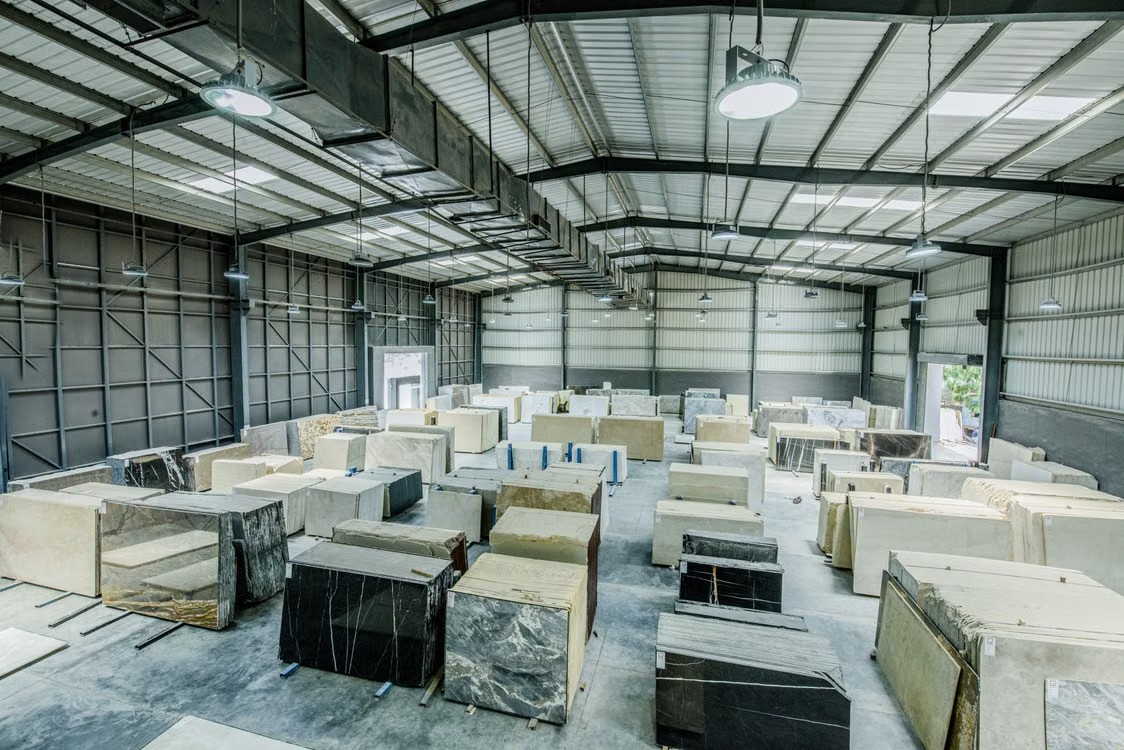
Image source:https://unsplash.com/photos/a-large-warehouse-filled-with-lots-of-pallets-OnbSOhz0oig
Scalable Systems Supporting Future Growth
Modular automated storage units allow companies to expand capacity without buying new real estate. Facility managers add extra storage modules as inventory demands grow. Step-by-step additions keep upfront capital costs under control.
Flexible designs help storage layouts adapt easily as business goals evolve. Modern facilities scale operations seamlessly during busy seasonal shopping periods. Growth no longer requires moving into larger physical buildings.
Silent digital tools continue reshaping fulfillment operations around the globe. Simple physical upgrades paired with intelligent software turn messy storage floors into smooth, high-speed centers.
Businesses adopting these upgrades gain distinct operational advantages without disrupting daily routines. The evolution of commercial storage moves forward quietly, one automated lift at a time.