The smallest things in your home often do the heaviest lifting. A tiny box on a shelf, a little ceramic animal, or a keepsake from a holiday can make a room feel more lived in and more like you. You don’t need a giant budget or an interior design degree to pull this off either.
Sometimes, a few thoughtful objects do more for a space than a whole shopping spree. It’s less about filling a room and more about giving it personality.
Small objects, big charm
When you add small decorative pieces to a room, you create moments that catch the eye without shouting for attention. A little object on a coffee table or tucked onto a bookshelf can make a space feel layered and warm. It’s a bit like seasoning food. Too much is a disaster, but the right amount makes everything better.
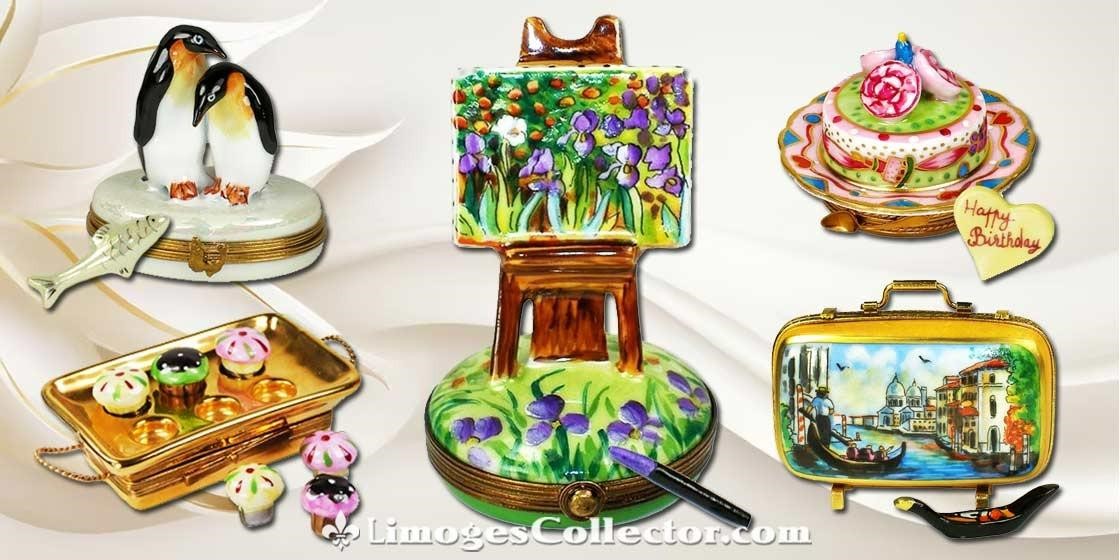
Some people lean toward whatever catches their eye at a market stall. Others go for vintage Limoges boxes because they bring in detail, color, and a touch of history in a single small object. The market carries plenty of imitations, so the artist’s insignia matters as much as the design, and a direct importer will have pieces that come straight from Limoges, France, along with a range that runs from current styles to retired and rare finds.
You also don’t have to treat them like museum pieces. Let them live among your books, candles, or family photos. That casual mix helps your home feel inviting instead of fussy. If a collection outgrows the shelf, glass-fronted curio cabinets are made specifically for displaying them properly.
Tell your story
Your home should say something about you before you even open your mouth. Small collected items are great at doing that. They can remind you of a trip, a family member, a hobby, or a phase of life you still love. Even one tiny object can carry a surprisingly big memory.
Maybe you keep a little porcelain piece from your grandmother’s cabinet. Maybe you picked up a painted box at a market while traveling. Maybe you just like things that feel a little whimsical. That all counts. Your collection does not need a fancy theme or a collector’s handbook.
The best displays usually feel personal, not perfect. If every item looks like it came from the same shop on the same day, a room can feel flat. When your pieces come from different places and moments, your space starts to feel like a real story instead of a showroom.
Style shelves with ease
A shelf full of tiny items can look lovely or look like a small decorating traffic jam. The trick is giving your objects room to breathe. Start with a few pieces, not every piece you own. You want interest, not a game of spot-the-keepsake.
Try mixing heights and textures. Place a small collectible beside a stack of books or in front of a framed print. Use a tray on a side table to group a few pieces together. This makes them feel intentional instead of scattered around like they wandered off.
A simple setup might include:
– one small box or figurine
– one candle or plant
– two or three books
– one photo frame
That’s enough to build a cozy little scene. If it starts looking crowded, remove one item. Editing is your friend. A shelf should whisper style, not yell surprise.
Mix old with new
One of the easiest ways to make a home feel interesting is by mixing older decorative pieces with newer furniture. A modern room can sometimes feel a bit too polished, like it’s afraid to get fingerprints. Vintage details soften that. They add depth and a sense that your home has been put together over time.
Imagine a clean white shelf with sleek vases and one tiny hand-painted collectible. That little contrast can do a lot. It keeps the room from feeling one-note. Old pieces often bring curves, patterns, and craftsmanship that newer mass-made items don’t always have.
You also don’t need a full antique look to make this work. In fact, one or two older pieces often stand out more in a modern setting. Think of them as the plot twist in your decor. They keep things from getting boring while still feeling easy to live with.
Choose pieces thoughtfully
It’s easy to buy cute little things. It’s harder to choose ones you’ll still enjoy a year from now. Before bringing something home, ask yourself a few simple questions. Do you like the color? Will it fit where you plan to place it? Does it feel special or just momentarily shiny?
Size matters more than people think. Very tiny pieces can disappear on a large shelf, while slightly larger ones can hold their own. Condition matters too, especially with older items. A bit of age can add character, but cracks, chips, or fading should still feel acceptable to you.
Emotional value is the real secret ingredient. If a piece reminds you of someone, makes you smile, or sparks curiosity, it will probably earn its place. That’s better than buying something just because it matches the cushions. Cute cushions are lovely, but they rarely win against real sentiment.
Keep collections from crowding
Collections can get out of hand fast. One day you have a sweet little arrangement. Next thing you know, every surface is hosting a tiny ceramic committee meeting. To stop that from happening, give yourself a rough limit for each space.
You might decide one shelf gets five objects, or one tray holds everything for the coffee table. If new pieces come in, older ones can rotate out. This keeps your home feeling fresh without turning it into a storage puzzle.
Store extra items carefully in lined boxes or wrapped in soft cloth if they’re delicate. Rotating displays every few months can actually help you enjoy your pieces more. You notice them again instead of walking past them on autopilot. It also gives each item a chance to shine. Even your smallest treasures deserve their main character moment now and then.
Create a lasting corner
A personal display doesn’t need to be grand. It can be one corner of a bookcase, one bedside table, or one sunny spot in the living room. The goal is to make a little area that feels like you. Not trendy. Not copied. Just yours.
Start small and let it grow naturally. Add pieces over time instead of rushing to fill the space. That slower approach usually leads to better choices and a display that feels collected rather than purchased in a panic on a Saturday afternoon.
The nicest homes often have these tiny pockets of personality. A few meaningful objects can make a room feel softer, warmer, and more memorable. So if you’ve been wondering whether small collectibles really matter, they do. They may be tiny, but they’re mighty. Like decor with a secret superpower, only much easier to dust.