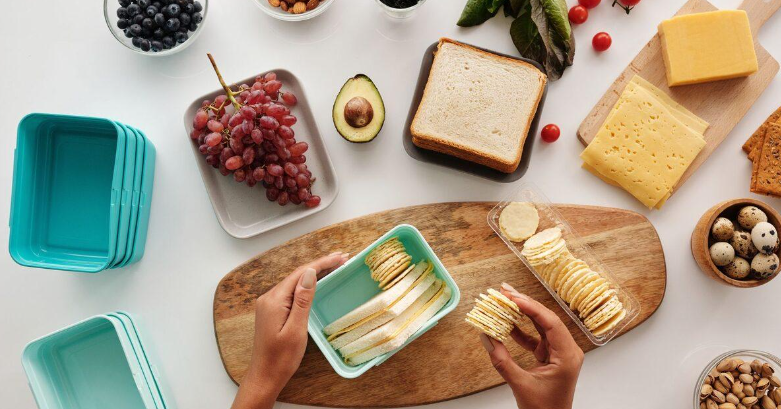
Packed lunches can save money and make busy days easier, but the internet often turns them into a weekend production line of matching containers. You do not need twelve identical meals or an afternoon of chopping.
A useful packed lunch can be assembled in minutes from four simple parts.
Start with something filling
Choose a main source of protein: eggs, tuna, chicken, beans, lentils, hummus, cheese, tofu or Greek-style yoghurt. Protein is not the only nutrient that matters, but it can help lunch feel more satisfying.
Use what you already like. A bean salad you refuse to eat is not a bargain.
Add an easy carbohydrate
Bread, wraps, leftover rice, couscous, potatoes or pasta provide energy and make the meal feel complete. Wholegrain versions can add fibre, but the best choice is one that fits your taste, budget and digestion.
Leftovers are ideal. Last night’s chilli can become a wrap; roast potatoes can join a salad; rice can pair with tinned fish and vegetables.
Include produce without creating work
Fruit counts. Frozen vegetables count. So do cherry tomatoes, bagged leaves, tinned sweetcorn and pre-cut carrots.
Choose one or two options that need little preparation. Variety across the week matters more than making every lunch look like a rainbow chart.
Pack flavour separately
Chutney, pesto, yoghurt dressing, mustard or a favourite sauce can rescue a simple lunch. Keep wet ingredients in a small container so sandwiches and salads do not become soggy.
Sauces and oils can change calories quickly, but they also make food enjoyable. If you track meals, record a reasonable amount rather than avoiding flavour.
Use the photograph shortcut
When mornings are rushed, take a quick picture after packing lunch. It gives you a record without stopping to type every ingredient.
Coach Ivy’s AI calorie tracker can estimate calories and macros from a photograph of your packed lunch. Review the suggested portions and add oils, sauces or ingredients the camera cannot identify clearly. Image-based results should be treated as practical estimates rather than exact measurements.
If you prefer planning on a laptop, a calorie-tracker spreadsheet can save favourite packed lunches so you only enter them once.
Keep two backup lunches at work
Even good routines meet chaotic mornings. Store shelf-stable options such as soup, wholegrain crackers, tinned fish, bean pouches, fruit cups or nuts where you work. Add something fresh from a nearby shop if needed.
The backup prevents “forgot lunch” from becoming an expensive daily habit.
Shop for flexible ingredients
The easiest packed-lunch foods can move between several meals. A tub of hummus works in a wrap, beside chopped vegetables or stirred into a grain bowl. Eggs can become sandwich filling, top leftover rice or travel with crackers and fruit.
Choose ingredients with overlapping uses so an abandoned lunch plan does not create waste. Bagged spinach can join pasta at dinner, cheese can move into an omelette and yoghurt can become breakfast or dressing. This is more resilient than buying seven products that only make sense in one recipe.
Check the reduced section when you can use food promptly, but avoid buying a bargain with no realistic destination. Freezing bread, wraps and individual portions of leftovers can extend the useful window.
Pack safely for the journey
Perishable lunches need to stay cold until they are eaten. Use an insulated bag with an ice pack when there is no reliable fridge, particularly for meat, fish, eggs, dairy and cooked rice. Wash reusable containers thoroughly and allow them to dry.
If reheating at work, use microwave-safe containers and make sure food is hot throughout. Follow label instructions and local food-safety advice, especially when storing leftovers. A lunch is not convenient if it creates an afternoon stomach ache.
Keep dressings separate and pack crisp items away from moist fillings. This small step improves texture enough to make yesterday’s leftovers feel intentional rather than tired.
Make lunchtime easier to remember
Create a visible evening cue: place the lunch bag by your keys, set a note on the front door or keep a dedicated shelf in the fridge. If mornings are unpredictable, pack most components after dinner and add the final cold item before leaving.
It also helps to keep basic equipment at work. A fork, bowl, napkin and tin opener can turn a backup shelf into a genuine lunch option. When the environment supports the routine, less motivation is required.
Use a repeatable weekly rhythm
Instead of preparing every lunch on Sunday, decide on a loose pattern. Monday might use weekend leftovers, Tuesday a wrap, Wednesday a shop-bought soup with additions and Thursday another dinner remix. Friday can use whatever remains.
The pattern reduces decision fatigue without forcing identical meals. Keep a short list of combinations you actually enjoyed and rotate them as seasons, prices and schedules change. Saving your regular packed lunches in Coach Ivy can also make future calorie and macro tracking quicker.
Three combinations to try
- Egg and salad wrap, apple and yoghurt
- Couscous with chickpeas, vegetables and pesto
- Leftover chicken and rice, frozen vegetables and fruit
Adjust amounts to your hunger and activity. People with allergies or medical nutrition needs should follow appropriate professional guidance.
A better packed lunch is not the one with the neatest containers. It is the one you remember, enjoy and can assemble during a real Salford morning. Keep the structure simple, reuse dinner and let convenience be part of the plan rather than something to feel guilty about.