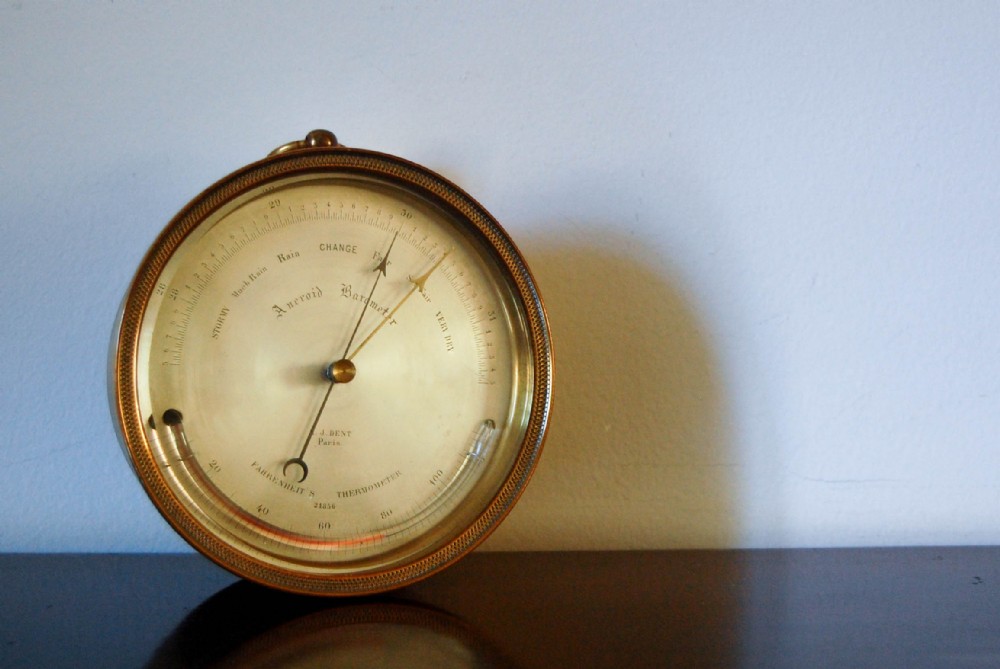
Collecting antique barometers is about far more than owning attractive historical objects. These instruments reflect changing approaches to craftsmanship, science, navigation, and interior design across different periods. Every piece bears signs of its age, including the materials used, the construction style, and the techniques that shaped its appearance and function. Over time, dust, moisture, worn finishes, and ageing components can reduce both performance and visual appeal. Careful restoration helps preserve these qualities while allowing collectors to appreciate the instrument as it was originally intended. Proper attention supports longevity and keeps these remarkable pieces relevant for future generations.
Preserving Historical Value
- Protecting Original Craftsmanship and Mechanical Accuracy
Antique barometers often represent remarkable workmanship that deserves careful attention rather than replacement with modern parts. Many vintage instruments feature hand-carved timber cases, decorative inlays, engraved dials, and finely made internal mechanisms that reflect the skills of earlier makers. As these instruments age, natural wear, environmental conditions, and years of handling can affect their appearance and operation. Restoration focuses on preserving these original features whenever possible while addressing damage that may prevent accurate movement or safe display. This balanced approach allows collectors to maintain authenticity without removing the character that develops through age. Rather than making an instrument appear brand new, thoughtful restoration respects its history while improving stability and reliability. Collectors searching for complementary period pieces often also browse Antique Clocks For Sale Perth to create displays that reflect the craftsmanship and design traditions of the same historical era. Maintaining originality allows future owners to appreciate not only the instrument itself but also the techniques and materials that define its period.
- Preventing Small Problems From Becoming Permanent Damage
Minor issues inside an antique barometer rarely remain minor if ignored for long periods. Dust accumulation, corrosion, loose fittings, faded finishes, cracked veneers, damaged glass, or ageing seals can gradually affect both appearance and mechanical function. Moisture is particularly harmful because it can promote corrosion of metal components and weaken timber structures over time. A collector who addresses these concerns early often avoids far more extensive repairs later. Restoration allows damaged areas to be stabilised before deterioration spreads throughout the instrument. It also provides an opportunity to inspect hidden components that may no longer perform as intended. Even when an antique barometer is displayed mainly as a decorative object, preserving its structural condition protects its historical value and helps avoid unnecessary loss of original material. Careful restoration encourages long-term preservation by addressing the causes of deterioration rather than simply masking visible signs of wear with quick cosmetic changes.
- Supporting Meaningful Collections and Historical Displays
Collectors often build collections that tell a broader story rather than simply gathering attractive objects. Antique barometers fit naturally alongside vintage clocks, scientific instruments, nautical items, and historical furniture because they reflect advances in weather observation and craftsmanship. A well-restored barometer contributes more effectively to that story by presenting accurate details, stable construction, and readable features without losing evidence of its age. Museums, private collectors, and family collections all benefit when instruments remain complete enough to demonstrate how they originally functioned. Restoration also helps preserve makers’ labels, engraved scales, decorative elements, and case designs that provide valuable historical information. These details can reveal where an instrument was made, which materials were commonly used during a particular period, and how design preferences changed over time. Maintaining these characteristics allows each barometer to continue serving as both a decorative object and a meaningful historical reference.
- Increasing Long-Term Enjoyment and Future Preservation
Restoring an antique barometer supports more than just its immediate appearance, as it encourages responsible ownership for years to come. Collectors often enjoy displaying vintage instruments in living rooms, studies, libraries, or heritage properties where they become conversation pieces that attract interest from visitors and family members. A restored instrument is generally easier to maintain because weakened components are addressed before they become larger concerns. Owners can focus on regular care, stable environmental conditions, and gentle cleaning instead of reacting to unexpected damage. Restoration also helps prepare valuable pieces for future generations who may inherit or continue the collection. Rather than passing along an instrument in deteriorating condition, collectors preserve something that still reflects its historical character and craftsmanship. This careful approach supports appreciation of vintage instruments as cultural objects that deserve thoughtful care rather than temporary decoration.
Antique barometer restoration plays an important role in preserving the craftsmanship, function, and historical character that make these instruments appealing to collectors. Careful restoration protects original materials, limits further deterioration, improves structural stability, and supports meaningful displays alongside other vintage items. Instead of removing age, it helps preserve the qualities that give each barometer its individual identity while allowing future owners to appreciate its story. Through consistent care and thoughtful restoration, collectors help ensure that these remarkable instruments continue to reflect the skill, design, and scientific heritage of earlier generations for many years to come.