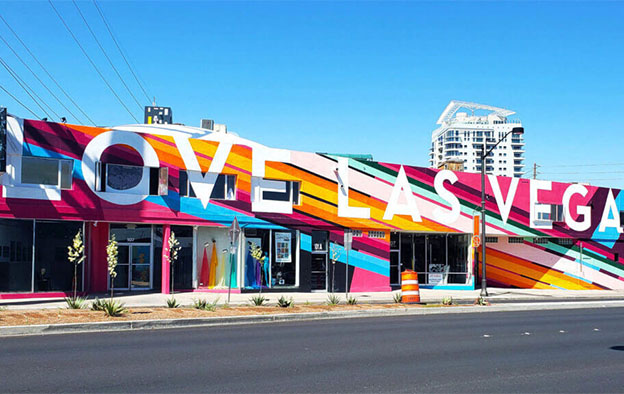
Discovering the heart of the Arts District
Visitors often view Las Vegas as a landscape defined exclusively by flashing lights and clinking slot machines, but the city holds a far more intimate secret just a few miles from the main event. Stepping into the 18b neighborhood reveals a side of Nevada that prioritizes creative expression over late-night spectacles. Searching for the best things to do in Las Vegas Arts District leads you away from the predictable sprawl into a grid of low-slung, industrial corners that feel surprisingly grounded and alive.
Shifting your perspective beyond the neon Strip
The traditional casino corridor offers a specific type of sensory overload that can eventually leave even the most enthusiastic traveler feeling a bit drained. By pivoting your itinerary toward the northern reaches of downtown, you trade simulated, manufactured excitement for genuine creative grit and local color. It is a complete atmospheric shift where the sidewalks belong to pedestrians and the storefronts tell stories of actual independent ambition rather than polished corporate branding.
The evolving culture of the 18b neighborhood
Named for the original eighteen blocks that anchor the area, this district has morphed from an collection of aging automotive repair shops into a genuine creative engine. You can still see the bones of that history in the architecture, but now, the spaces housed within host murals, galleries, and studios that define the city’s modern identity. This organic cultural evolution provides a welcome contrast to the static, unchanging nature of the resort-focused areas.
Why this area rewards the most curious travelers
If you prefer wandering without a rigid script, this neighborhood is exactly where you should place your focus. The area rewards the detail-oriented eye, as often the most fascinating street art or hidden architectural feature is tucked away in an alleyway or behind a nondescript facade. Engaging with this district means letting go of the need for bells and whistles and instead finding authentic delight in the small, weird details that make a city feel like a home rather than a stage set.
Immersive attractions that break the mold
Modern travel often leaves people searching for more than just a wall of plaques to read, and this neighborhood has embraced that desire for active engagement. By moving toward experiential design, the district has cultivated attractions that require your physical presence and participation to function properly. Whether you want to step into the shoes of a local legend or dive into an interactive story, the area offers high-impact moments that linger long after you leave.
Stepping into the legend at the Evel Knievel Experience
Perhaps the most notable addition to this area is the Evel Knievel Experience Las Vegas, which serves as a vibrant anchor for the street. This location functions as far more than a museum, providing a deep dive into the daring, often risky life of the eponymous stuntman through artifacts that feel both heavy with history and strangely immediate. Exploring his iconic gear provides a tangible link to a mid-century version of Nevada that felt far more wild than what we see today.
Finding interactive story-driven experiences
When we talk about breaking the mold, we are referring to environments where the static display is tossed aside in favor of narrative-rich, participatory sets. These experiences invite you to pull levers, step into holographic displays, or influence the room’s output through simple physical choice. This shift from passive viewer to participant changes everything, turning a simple tour into a memory-making activity.
Planning for hands-on, high-adrenaline moments
Part of the appeal of these venues is the integration of physical sensations, such as virtual reality elements that mimic the thrill of movement or height. You should anticipate a visit that is physically engaging, as the best attractions in this sector are built around the idea of movement. These experiences prove that you can find genuine pulse-pounding intensity without ever needing to place a bet on a gaming floor.
Navigating the vibrant Brewery Row
After a day of hitting the pavement, there is perhaps no better reward than finding a comfortable stool within one of the neighborhood’s many repurposed warehouses. The concentration of local brewing talent here is remarkable, creating a distinct pocket of social energy that is rare in a town so beholden to its massive resort bars. It creates a neighborhood atmosphere that feels tight-knit even to strangers.
Sampling craft beer in a local community atmosphere
The taproom culture in this district is remarkably approachable, usually featuring wide-open garage doors and communal tables that encourage random conversations. Instead of the high-pressure environment of a casino lounge, you find a slow, steady pulse where the main focus is the quality of the pour. It is a refreshingly relaxed environment where brewers often stand behind the bar themselves to explain the grains and hops.
Finding your favorite style among diverse taprooms
Each brewery has carved out its own specialty, mirroring the diversity of the art surrounding it on the block. You will encounter everything from experimental, light-bodied fruit lagers that feel perfect under the summer sun, to heavy, malt-forward tributes to Nevada’s unique testing history. The variety is immense, and jumping between them allows you to compare styles in a single stroll down the shaded sidewalk.
Why the brewery scene offers a better social vibe
The best social environments are those that remove the artificial barrier between the host and the guest, allowing the shared experience of discovery to dictate the quality of the evening.
You will find that these spaces attract a crowd that is looking for conversation rather than just the next big win. Because these venues tend to host residents, you are more likely to meet people who have actually lived in the city for years, providing a perspective you simply cannot find on the Strip. It facilitates a genuine connection that makes the trip feel like more than just a typical vacation visit.
Exploring the open-air art scene
Walking the perimeter of the 18b sector is a constant encounter with scale, color, and intent. The neighborhood functions effectively as an outdoor gallery, where the canvas is a corrugated metal wall or a massive brick surface. It is a living, changing space where new paint appears over old, ensuring that a visit today provides a completely different visual experience than one taken a year ago.
Hunting for iconic murals and hidden street art
Some of the most engaging murals in the Southwest are hidden in plain sight here. You might find a brightly colored geometric abstraction wrapping a corner or a deeply complex political portrait tucked behind a stack of shipping pallets. The trick is to look beyond the primary storefronts and venture into the side alleys where the most spontaneous and uninhibited art remains preserved.
The allure of large-scale public sculptures
Beyond two-dimensional works, the area is home to massive, metallic constructions that loom over the street, often salvaged from industrial equipment or decommissioned vehicles. These sculptures invite you to walk underneath or around them, providing a sense of scale that feels both impressive and slightly jarring in the middle of a city street. These towering industrial installations are the anchors of the district’s visual identity.
Visiting intimate galleries and local creative studios
If you want to support individual creators, you must head into the small studios that host rotating shows throughout the month. These intimate spaces allow for a direct conversation with the artist, which is a rare treat compared to the commodified, mass-market retail found in the malls of the big hotels. Buying a piece here is a direct investment in the creative health of the community.
Treasure hunting at independent boutiques and vintage shops
If you are tired of the repetitive, mass-produced merchandise found in resort gift shops, this neighborhood is exactly the tonic you need. The shopping experience here feels like a hunt, with aisles organized by curiosity rather than inventory numbers. Whether you are looking for rare clothing styles or unique trinkets, the curated selection here is unparalleled.
Curating a unique style with retro finds
Vintage stores in this area are filled with clothing that tells a story, from classic western shirts to carefully preserved streetwear from previous decades. The inventory is curated by people who clearly love fashion history, meaning you won’t have to sift through as much junk as you would at a standard thrift shop. It is a stylistic goldmine for individualists who want something truly one-of-a-kind to bring home.
Supporting local artisans and small-business owners
Every time you make a purchase at one of these boutiques, you are quite literally keeping a local dream afloat. These shop owners are often the same people who keep the district clean, host the events, and contribute to the neighborhood’s aesthetic identity. By spending your money here, you are voting for a more local, sustainable vision of what Las Vegas can actually be.
Locating quirky souvenirs you cannot find in casino gift shops
Why return home with a deck of cards or a plastic statue when you can bring back something truly strange? You might find a restored piece of vintage neon signage, handmade ceramics with local iconography, or art prints that are signed by the city’s actual residents. These objects function as authentic, conversation-starting mementos that carry a genuine piece of the city’s spirit.
Essential tips for exploring the Arts District
Navigating an off-Strip destination requires a bit of foresight to ensure you are comfortable and mobile. It is not always possible to simply hop on a monorail to reach this section of the city, so planning for the logistics is key. By following a standard set of practices, you can smooth over the minor friction points of visiting an area that is still in the middle of its transformation.
Calculating the best transit methods from the Strip
Getting here is significantly easier than many visitors assume, thanks to a few distinct transit options.
| Method | Best For | Considerations |
| Downtown Loop | Cost (Free) | Limited hours/routes |
| Rideshare | Convenience | Can be pricey in peak hours |
| The Deuce Bus | Budget/Accessibility | Slower travel speed |
Selecting the right method early in your day removes the typical travel stress of exploring a new area.
Timing your visit around First Friday and local festivals
While the district is fun any day of the week, First Friday is a massive monthly event that draws thousands into the streets for live music, food trucks, and art pop-ups. It is undeniably crowded, but it is also the ultimate showcase for neighborhood energy. If you prefer a quieter walk through the galleries, aim for a weekday afternoon when the streets are slow and the gallery staff have plenty of time to chat.
Balancing your itinerary with the best local dining
Do not fill up entirely on liquid calories at the breweries; the dining scene in the district has matured significantly alongside the art. From elevated, sit-down bistro experiences that pull from international fusion to simple, perfect hole-in-the-wall taco windows, there are plenty of spots to sustain yourself. Prioritize the local cafes that take their espresso and brunch menus as seriously as the breweries do.
Planning for a day-to-night transformation of the district
This neighborhood serves entirely different audiences depending on the hour of the day. During the sunlight hours, it is a place for shopping, strolling, and gallery visits, but watch as it morphs into a rowdy, neon-lit social scene once the sun disappears below the horizon. It is wise to plan for an early-evening shift in mood, as the atmosphere becomes far more electric and social after dark.
Frequently Asked Questions
Is the Arts District safe for visitors to explore alone?
Yes, the area is generally safe for pedestrians who exercise standard city awareness, especially during the day and early evening when foot traffic is consistent and active stores are open.
How much time should I set aside for a visit here?
You can easily spend anywhere from four hours to an entire full day here, depending on whether you want a quick tasting at a few breweries or a deep dive into the antique shops and galleries.
Can I reach the neighborhood by walking from the main resorts?
While technically possible for long-distance walkers, the heat and distance make it highly impractical, so taking a quick rideshare or bus is almost always the better option for maintaining your energy.
Do most of these shops and galleries accept credit cards?
Yes, almost every establishment in the district is modern and accepts major credit cards, though carrying a little cash is always helpful for food trucks or smaller, pop-up style vendors.
Is the area friendly for families and children during the day?
Absolutely, especially in the afternoon hours when families are welcome in many of the taprooms and open-air spaces, provided you remain aware of the evening shift toward a mature, nightlife-heavy crowd.
Are there any specific seasonal events besides First Friday?
Throughout the year, the neighborhood hosts various festivals, seasonal art auctions, and holiday block parties that are widely advertised, so check local calendars before you finalize your travel dates.
Does the area have any public facilities or restroom access?
While there is no central public station, most of the breweries, cafes, and restaurant spaces are very accommodating to visitors, and the rise of mid-rise residential buildings has pushed further development of accessible public conveniences.