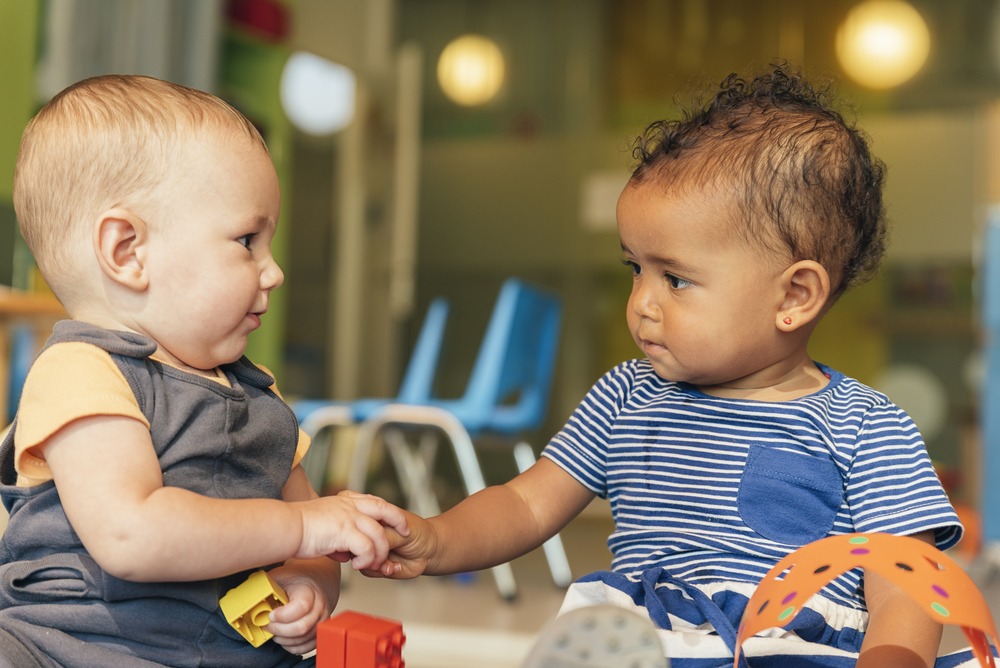
The early years of a child’s life are filled with remarkable developmental changes. During this period, children learn how to understand the world around them, interact with others, and communicate their thoughts and needs. Among all developmental milestones, language acquisition is one of the most important because it influences social, emotional, and academic growth throughout childhood.
For many parents, speech development becomes a major focus during the first two years. Questions about first words, vocabulary growth, and communication milestones are common. While every child develops differently, understanding how language skills emerge can help parents provide effective support and recognize when additional guidance may be beneficial.
Why Early Communication Matters
Communication is much more than speaking. Long before children say their first words, they communicate through eye contact, facial expressions, gestures, and sounds. These early interactions help build connections with caregivers and teach children the fundamentals of conversation.
As babies grow, they begin recognizing familiar voices, responding to their names, and understanding simple instructions. These receptive language skills often develop before spoken language and form the foundation for future communication abilities.
Research has consistently shown that strong early language skills are associated with better literacy, social interaction, and learning outcomes later in life. This is why creating opportunities for communication from infancy is so valuable.
Understanding the Journey to First Words
Many parents eagerly wait for the moment their child says a recognizable word. Although developmental timelines vary, most children begin using meaningful words sometime during their first year or shortly afterward.
The path to speaking involves several important stages. Babies first learn to listen, then experiment with sounds through cooing and babbling. Eventually, they begin connecting sounds with meaning and using words intentionally.
Parents who are interested in learning more about the typical progression from babbling to first words can find helpful information here.
Understanding these developmental stages helps families set realistic expectations while appreciating the gradual nature of language growth.
Creating a Language-Rich Environment
Children learn language through exposure and interaction. The more opportunities they have to hear and use language, the more likely they are to develop strong communication skills.
A language-rich environment does not require special educational tools or structured lessons. Everyday experiences provide countless opportunities for learning. Parents can talk about daily activities, describe objects around the home, and explain what they are doing throughout the day.
For example, during meals, caregivers can name foods, discuss colors, and describe tastes. During walks, they can point out animals, vehicles, and natural surroundings. These simple conversations expose children to a wide range of vocabulary in meaningful contexts.
The Role of Reading in Language Development
Reading aloud is one of the most effective ways to support communication skills. Books introduce children to new words, sentence structures, and ideas that they may not encounter during everyday conversations.
Picture books are particularly beneficial for young children because they encourage interaction. Parents can ask questions, point to objects, and encourage children to identify familiar items. This active engagement strengthens both comprehension and vocabulary development.
Even a few minutes of reading each day can contribute significantly to language growth over time.
Encouraging Communication Through Play
Play is another powerful tool for language development. Through play, children learn to express ideas, follow directions, solve problems, and engage in social interaction.
Pretend play activities are especially valuable because they encourage conversation and imagination. Whether children are pretending to cook, care for dolls, or drive toy vehicles, these experiences create opportunities to use language naturally.
Interactive games that involve taking turns also help children understand the rhythm of conversation and develop important social communication skills.
When Parents Begin to Worry
Because developmental milestones vary, it can sometimes be difficult to determine whether a child’s progress falls within a typical range. Some children become early talkers, while others require additional time before verbal skills emerge.
Concerns often arise when a toddler uses very few words compared with peers. Parents may wonder whether delayed speech is simply part of individual development or a sign that professional support may be needed.
Families who are concerned about speech expectations for toddlers around fourteen months of age can explore additional guidance here.
Having accurate information can help parents make informed decisions while avoiding unnecessary stress.
Factors That Influence Speech Development
Several factors can affect how quickly children develop communication skills. Personality differences, family interactions, hearing ability, and overall development all contribute to language acquisition.
Some children naturally spend more time observing before they begin speaking. Others may focus heavily on physical milestones such as walking and climbing before language development accelerates.
Multilingual environments can also influence language patterns. Children learning more than one language may distribute vocabulary across multiple languages while continuing to develop normal communication skills overall.
Supporting Children Who Need Extra Help
If concerns about speech development persist, early evaluation can provide valuable insight. Pediatricians and speech-language professionals can assess communication skills and identify potential challenges.
Early intervention services are designed to support children during critical developmental periods. Research consistently demonstrates that early support can improve outcomes and help children develop stronger communication abilities.
Seeking professional guidance does not necessarily mean a child has a serious problem. In many cases, parents receive reassurance that development is progressing normally, while others gain access to resources that support continued growth.
Building Confidence Through Everyday Interaction
One of the most important things parents can do is create a positive communication environment. Children learn best when they feel encouraged rather than pressured.
Celebrating attempts to communicate, responding to gestures, and engaging in regular conversation help build confidence. Every interaction contributes to language development, even when children are not yet speaking clearly.
Consistent engagement also strengthens the parent-child relationship, making communication a natural and enjoyable part of daily life.
Conclusion
Language development is a gradual process that begins from birth and continues throughout early childhood. While children reach milestones at different rates, supportive interactions, reading, play, and everyday conversation all contribute to communication growth.
By understanding typical developmental patterns and providing a language-rich environment, parents can help children build the skills needed for lifelong learning and social success. Most importantly, recognizing that every child follows a unique path allows families to focus on progress rather than comparison, creating a more positive and supportive developmental experience.