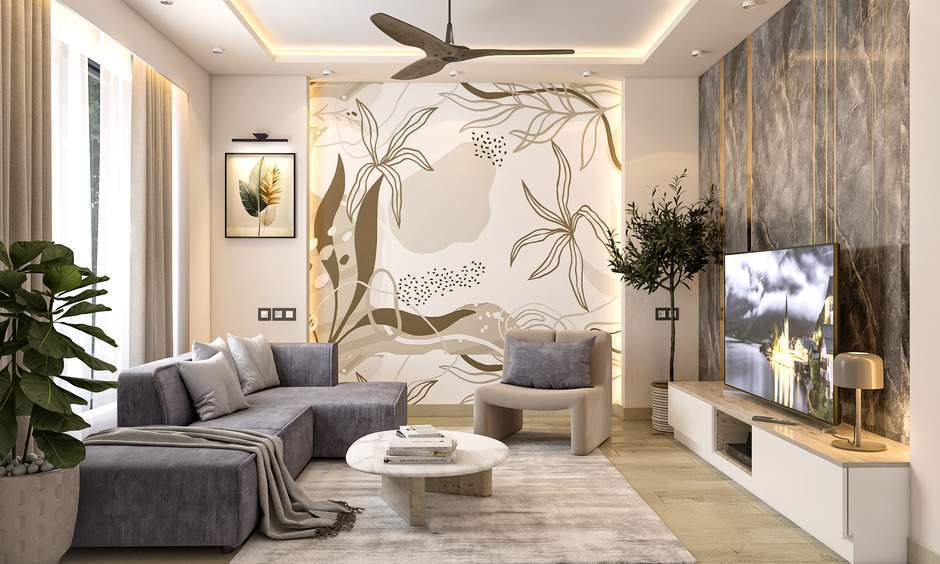
A home today is expected to do much more than simply provide shelter. It has become a place for relaxation, work, entertainment, creativity, and connection. This shift in lifestyle has increased the demand for modern interior designers who can transform ordinary spaces into highly functional and visually refined environments. Contemporary interiors are no longer focused only on decoration. They are designed to improve comfort, maximize space, and reflect individual lifestyles in a practical yet elegant way.
Modern homeowners now prefer interiors that feel open, organized, personalized, and easy to maintain. As living preferences continue evolving, interior designers are helping people create spaces that blend beauty with everyday functionality.
Contemporary Interiors Focus on Purpose
Modern interior design is centered around thoughtful planning. Every element inside a home is selected with intention, from furniture placement and lighting to textures and storage solutions.
Unlike traditional interiors that often relied on heavy décor and excessive ornamentation, contemporary spaces emphasize:
- Clean layouts
- Comfortable functionality
- Smart space utilization
- Minimal visual clutter
- Natural light enhancement
- Personalized styling
The idea is to create interiors that feel calm, welcoming, and adaptable to modern routines.
Open Layouts Create Spacious Living Experiences
One of the most noticeable transformations in modern homes is the popularity of open floor plans. Kitchens, dining spaces, and living rooms are now often designed as connected areas instead of isolated rooms.
Why Open Layouts Are Preferred?
1. Better Natural Light
Open spaces allow sunlight to spread across multiple sections of the home, creating brighter interiors.
2. Improved Interaction
Family members can communicate and interact more easily while performing different activities.
3. Flexible Design Possibilities
Open layouts provide greater freedom for furniture arrangement and space customization.
Interior designers often use rugs, lighting, wall textures, or furniture placement to visually separate spaces without adding physical barriers.
Smart Storage Solutions Improve Everyday Living
Urban homes frequently face space limitations, making efficient storage an important part of contemporary design. Modern interiors now include storage systems that remain functional without affecting aesthetics.
Popular storage ideas include:
- Modular wardrobes
- Floating shelves
- Under-bed storage
- Hidden kitchen organizers
- Multi-functional furniture
- Wall-mounted cabinets
These solutions help maintain clean and organized interiors while improving usability.
Lighting Has Become a Key Design Element
Lighting now plays a major role in defining the atmosphere of a home. Modern designers carefully layer different lighting styles to create warmth, comfort, and functionality.
Types of Lighting Used in Contemporary Homes:
1. Ambient Lighting
Provides overall brightness throughout the room.
2. Task Lighting
Focused lighting designed for reading, cooking, or work areas.
3. Accent Lighting
Used to highlight artwork, textures, or decorative elements.
The right lighting combination can make interiors appear larger, more inviting, and visually balanced.
Personalization Is Replacing Standardized Designs
Modern homeowners no longer want interiors that look identical to everyone else’s spaces. Contemporary design now focuses heavily on customization and personal expression.
Designers incorporate unique elements such as:
- Customized furniture
- Statement lighting fixtures
- Artistic wall treatments
- Textured fabrics
- Personalized décor accents
This approach helps create interiors that feel authentic and connected to the homeowner’s lifestyle and personality.
Sustainable Design Is Gaining Importance
Sustainability has become a growing priority in interior design. Many homeowners now prefer eco-conscious materials and energy-efficient solutions that support healthier living environments.
Modern sustainable interiors often include:
- Energy-saving lighting systems
- Natural wood finishes
- Indoor plants
- Low-VOC paints
- Recycled materials
- Eco-friendly flooring options
These elements improve both environmental responsibility and long-term durability.
Modern Kitchens Are Designed for More Than Cooking
Kitchens have evolved into social and functional hubs within contemporary homes. Today’s kitchens are expected to support interaction, storage efficiency, and seamless movement.
Modern kitchen design focuses on:
1. Sleek Storage Integration
Cabinets and organizers are designed to reduce clutter while maximizing accessibility.
2. Functional Layouts
Efficient work triangles improve movement between cooking, cleaning, and preparation zones.
3. Stylish Material Selection
Materials like quartz, matte laminates, and wood textures add both elegance and durability.
At the center of these transformations, modern interior designers carefully balance style with practicality to create kitchens that feel visually appealing and highly usable at the same time.
Technology Is Influencing Interior Planning
Smart home technology is becoming increasingly common in modern residential spaces. Interior designers now integrate automation systems without disturbing the overall aesthetic appeal of interiors.
Popular smart home features include:
- Automated lighting systems
- Smart security devices
- Voice-controlled appliances
- Motorized curtains
- Climate control systems
The goal is to ensure technology feels naturally integrated rather than visually overwhelming.
Natural Elements Bring Warmth Into Interiors
Contemporary homes increasingly use natural materials and biophilic design principles to create calming environments. This trend helps strengthen the connection between indoor spaces and nature.
Designers commonly use:
- Indoor plants
- Wooden textures
- Stone finishes
- Earth-toned color palettes
- Large windows for outdoor views
Natural design elements make interiors feel more refreshing, balanced, and emotionally comforting.
Flexible Spaces Support Modern Lifestyles
As lifestyles continue changing, homes now require adaptable spaces that can serve multiple functions. A room may function as a workspace during the day and a relaxation zone in the evening.
Modern designers address this need through:
- Modular furniture
- Convertible seating
- Sliding partitions
- Multi-purpose rooms
- Compact workspace integration
Flexible design planning helps homes remain functional even as family needs evolve over time.
Conclusion
Modern interior design has transformed the way people experience their homes. Contemporary interiors now focus on functionality, comfort, personalization, sustainability, and smart living solutions. From open layouts and efficient storage to natural materials and adaptable spaces, every design choice contributes to creating a better living experience. Homeowners looking for thoughtfully designed interiors increasingly trust interior designers in Electronic City for spaces that combine creativity, elegance, and practical everyday living.
If you are looking for professionally designed interiors that combine creativity, functionality, and modern elegance, WeDezine Studio transforms homes and offices across Bangalore into timeless and personalized interiors. With 12+ years of experience, 1,500+ completed projects, and an award-winning team, the company focuses on creating bespoke spaces that combine functionality, sophistication, comfort, and modern design excellence for contemporary lifestyles.