Staying comfortable during Belleville’s long winter months comes down to making smart decisions about your home’s heating system. Whether you are moving into a new house or upgrading your current HVAC, understanding your options and priorities can make a substantial difference in both comfort and monthly expenses. For those ready to tackle aging or dysfunctional systems, Belleville furnace replacement support can help you make a smooth and efficient transition.
Picking the right furnace means weighing factors like local fuel availability, existing ductwork, and your home’s size. Opting for a solution that fits your lifestyle and local conditions ensures that your heating system remains reliable and affordable even on the coldest nights. Understanding what makes each furnace unique will empower you to make choices that enhance coziness and savings year-round.
In addition to matching your home with the right appliance, carefully considering energy efficiency ratings and regular maintenance can yield significant benefits in both the short and long term. Modern technology, improved designs, and smarter household habits can lead to measurable savings and environmental gains season after season.
For greater overall savings and comfort, it may also be wise to explore programs and incentives for home heating upgrades in Belleville. Keeping up to date with available upgrades can ensure your system remains efficient while increasing your property’s value.
Types of Furnaces
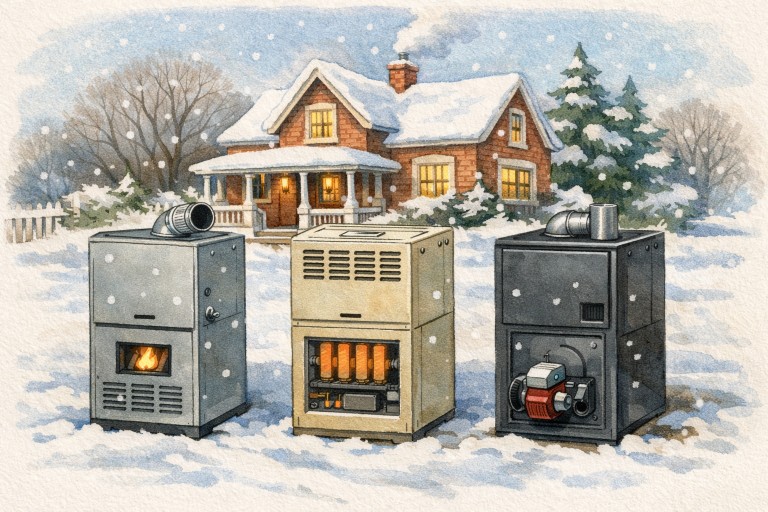
Belleville homeowners generally have three main types of furnaces to consider: gas, electric, and oil. Each of these options comes with unique benefits and cost implications, so it is essential to understand their differences before making a decision.
Gas Furnaces: The most popular option in many Canadian regions, gas furnaces burn natural gas. They heat quickly, are often more economical than oil or electricity, and produce lower emissions. Their popularity is driven by reliable performance and efficient energy use, making them ideal for Belleville’s cold winters.
Electric Furnaces: These units heat air through electric coils and are often chosen when natural gas is unavailable. While they have higher operating costs than gas furnaces, electric furnaces typically have lower installation costs and can be a good fit for smaller homes or as supplementary heating.
Oil Furnaces: Oil-burning furnaces were once common but have been largely supplanted by gas units in recent years. Still, they remain a viable choice for homes in areas without gas service. Oil furnaces cost more to run and require regular tank deliveries, but can deliver powerful heating for older or rural properties.
Weighing the pros and cons of each option based on your home’s layout, budget, and fuel availability will help ensure a comfortable, efficient living space. Additional information on the differences between gas, electric, and oil systems can be found in resources such as this Consumer Reports furnace buying guide.
Energy Efficiency Considerations
Upgrading to a more energy-efficient furnace or maintaining your existing one is key to saving money and reducing your household’s carbon footprint. One of the best benchmarks for comparison is the Annual Fuel Utilization Efficiency (AFUE) rating, which estimates what percentage of fuel consumed is directly converted into heat. Today’s best gas furnaces can hit AFUE ratings as high as 98.5 percent, making them vastly more efficient than older models.
Replacing a furnace that is more than fifteen years old can dramatically cut your monthly heating bills. Even incremental improvements can pay for themselves over a few seasons, especially when paired with other home efficiency upgrades. Belleville residents should also explore local rebates and incentives for high-efficiency installations, which are often available through provincial or utility programs.
Proper installation is equally important for achieving peak performance. Even the most advanced units can suffer from heat loss and excess energy use when poorly installed. Professional installation paired with regular tune-ups will help you maximize these efficiency gains. For practical tips on what to look for and how to boost overall efficiency, check out Wirecutter’s guide to the best furnaces.
Importance of Regular Maintenance
The secret to keeping a furnace running smoothly year after year is routine maintenance. Some key tasks you or your HVAC professional should focus on include:
- Filter Replacement: Clogged or dirty air filters restrict airflow, forcing the furnace to work harder and increasing wear on key components. Change or clean filters every one to three months for best results.
- Annual Inspections: Professional inspections can catch safety risks or mechanical problems before they escalate. Annual or seasonal tune-ups help maintain warranty coverage and support system longevity.
- Cleaning Components: Burners, heat exchangers, and blower motors accumulate dust and debris over time. Keeping these parts clean improves heating efficiency and reduces the risk of breakdowns.
Skipping maintenance can result in inconsistent heating, poor air quality, and even hazardous situations such as carbon monoxide leaks. Scheduling inspections each fall is a simple way to safeguard your investment and your family’s comfort.
Additional Home Heating Strategies
Modernizing your furnace is just one piece of the puzzle. To make the most of your heating dollar, Belleville homeowners should implement additional strategies that prevent heat loss and optimize thermostat settings.
- Seal Leaks: Drafts around windows, doors, and attic hatches account for a significant portion of lost heat. Weatherstripping and caulking are affordable do-it-yourself fixes that can help you maintain a stable indoor temperature.
- Programmable Thermostats: Lowering your thermostat by seven to ten degrees while you are asleep or out of the house can add up to considerable savings. According to the U.S. Department of Energy, you could save up to ten percent annually by following this approach. For practical advice on safe, energy-efficient winter heating, see these tips from The Washington Post.
- Insulation Upgrades: Proper insulation, especially in attics and walls, prevents warm air from escaping. Updating older homes with high-performance insulation can quickly pay for itself through lower utility bills.
These small improvements, combined with an efficient furnace, help ensure your home stays warm, comfortable, and affordable all winter.
Conclusion
Belleville’s winters can be harsh, but the comfort and efficiency of your home’s heating system are well within your control. Selecting the right furnace, maximizing energy efficiency, and committing to a regular maintenance routine are all essential steps to avoid unexpected repairs and keep your energy bills in check. Pairing furnace upgrades with targeted home improvements ensures a cozy, cost-effective space no matter how low the temperature drops.