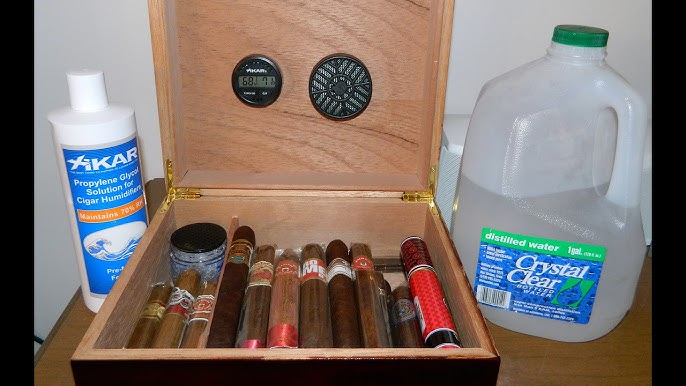
If you just bought a new humidor, one of the most important things you can do before filling it with your collection is properly season it. A cigar humidor is designed to create a stable environment, but fresh Spanish cedar on the inside naturally pulls moisture from the air. If the wood is not conditioned first, it can steal humidity directly from your cigars, leading to dry wrappers, uneven burns, and harsh flavor.
Seasoning a humidor is essentially the process of preparing the cedar interior to hold humidity consistently before cigars are introduced. While the process is simple, there are plenty of mistakes that can ruin a new humidor if rushed. The good news is that once it is done correctly, maintaining proper humidity becomes dramatically easier long term.
Why Seasoning a Humidor Matters
Spanish cedar plays a major role in how a humidor functions. The wood helps regulate humidity, discourages tobacco beetles, and contributes to the aging process of cigars. However, fresh cedar starts out dry and absorbent.
If you place cigars directly into an unseasoned humidor, the wood will begin pulling moisture from the cigars themselves instead of from the humidification system. This often causes cigars to dry unevenly during the first few weeks of storage.
A properly seasoned humidor for cigars creates a balanced internal environment where humidity remains stable rather than fluctuating wildly throughout the day. Stable humidity is one of the biggest factors behind preserving flavor, aroma, and construction quality over time.
What You Need Before You Start
Before seasoning your humidor, you will need a few basic items. Distilled water is essential because tap water contains minerals and impurities that can lead to mold or unwanted buildup inside the humidor.
You will also need either Boveda seasoning packs or a small clean container for distilled water. Many cigar enthusiasts now prefer seasoning packs because they remove much of the guesswork and significantly reduce the risk of over-humidifying the cedar.
Patience is equally important here. One of the most common mistakes new cigar smokers make is trying to rush the process in a single afternoon.
The Best Way to Season a Traditional Humidor
The safest and most reliable way to season a desktop humidor is with seasoning packs specifically designed for humidors. This method provides gradual moisture absorption without soaking the wood.
Start by wiping away any loose cedar dust from the interior using a clean dry cloth. Do not use household cleaners or scented products inside the humidor because cedar absorbs odors easily.
Place the seasoning packs inside the empty humidor and close the lid. Depending on the size of the humidor, this process usually takes between several days and two weeks. During this time, the cedar slowly absorbs moisture until it reaches a stable equilibrium.
Once the humidity stabilizes around the desired range, typically between 65% and 72% relative humidity, the humidor is ready for cigars.
Should You Wipe the Interior With Water?
Older seasoning guides often recommended wiping down the cedar with distilled water. While this method still exists, many experienced cigar smokers now avoid it because it can create uneven moisture absorption.
Applying water directly to cedar may temporarily warp thinner wood panels or oversaturate specific sections of the humidor. In severe cases, rapid moisture exposure can damage the finish or adhesive inside lower-quality humidors.
A lightly damp cloth is generally safe if used carefully, but soaking the interior is never recommended. Slow seasoning almost always produces better long-term humidity stability.
How Long Does Seasoning Take?
Seasoning time depends heavily on the size of the humidor, the thickness of the cedar lining, and the climate where you live. Small desktop humidors may stabilize within several days, while larger cabinets can take multiple weeks.
Dry climates often require more time because the surrounding air continuously pulls moisture away from the wood during the seasoning process. Humidors stored near direct sunlight, heating vents, or air conditioning may also season more slowly.
The key is consistency rather than speed. A humidor that slowly reaches stability will generally maintain humidity better than one that was rushed through the process.
How to Tell When a Humidor Is Fully Seasoned
A fully seasoned humidor should maintain relatively stable humidity levels with minimal fluctuation when closed. If the humidity constantly crashes shortly after adding moisture, the cedar is likely still absorbing water internally.
The cedar itself may also appear slightly richer in color once conditioned. The interior should feel smooth and balanced rather than dry or brittle.
Digital hygrometers make this process significantly easier because they provide more accurate readings than many analog models included with cheaper humidors.
Seasoning Large Cabinet Humidors
Large cabinet humidors require more patience because they contain significantly more cedar surface area. Every shelf, tray, divider, and drawer absorbs moisture during the seasoning process.
Instead of trying to force humidity quickly, it is better to allow the cabinet to gradually acclimate over several weeks. Rushing large humidors often results in unstable humidity zones where some shelves remain dry while others become overly humid.
Many cabinet owners place multiple seasoning packs throughout different levels of the humidor to encourage more even moisture distribution. Air circulation also becomes increasingly important in larger models.
Cabinet humidors with built-in circulation fans generally stabilize faster because humidity moves more evenly throughout the interior.
Tips for Seasoning Electric Humidors
Modern electric humidors introduce another layer to the seasoning process because temperature control systems affect humidity behavior. Cooler temperatures naturally change how moisture behaves inside the cabinet.
Before adding cigars, it is important to allow the humidor to fully stabilize while running at your intended storage temperature. If the temperature fluctuates heavily during seasoning, humidity readings may appear inconsistent.
Most electric models benefit from being seasoned while empty for at least one to two weeks. This gives both the cedar and climate control system time to normalize together.
One mistake many new owners make is immediately filling an electric humidor with hundreds of cigars after powering it on. Even premium electric units need time to settle into a stable rhythm.
Common Seasoning Mistakes to Avoid
One of the biggest mistakes is using tap water instead of distilled water. Minerals and contaminants from regular water can lead to mold growth or leave residue inside the humidor over time.
Another common issue is adding cigars too early. A humidor may briefly display acceptable humidity levels before the cedar has fully absorbed enough moisture internally.
Over-humidifying is also surprisingly common. Some people become obsessed with chasing high humidity numbers, but overly damp conditions can damage cigars just as much as dry conditions can.
A properly seasoned humidor should feel stable and controlled rather than excessively wet or swampy. If the inside smells musty or condensation develops, humidity is likely too high.
Final Thoughts on Seasoning a Humidor
Seasoning a humidor is not the most exciting part of cigar ownership, but it is one of the most important. Taking the time to properly prepare the cedar interior creates the foundation for better cigar storage, more stable humidity, and a smoother smoking experience overall.
Whether you are preparing a small desktop humidor or one of the larger electric humidors designed for serious collections, patience pays off. Cigars are incredibly sensitive to their environment, and a properly seasoned humidor helps protect both their flavor and your investment for years to come.