Maintaining your car’s paint is crucial for more than just its visual appeal, as the right protection methods help preserve its value and ensure it withstands the test of time. Today, car owners can choose from a range of car paint protection technologies, each with its own strengths for defending against the elements and daily driving hazards. Understanding the differences between these options can help you select solutions that deliver long-lasting results.
With traditional waxes, modern ceramic and graphene coatings, and robust films available, the protection level and longevity of results can vary considerably. While some solutions focus on gloss and finish, others offer advanced protection against damage, such as rock chips and UV exposure. Making an informed decision starts by learning the pros and cons of each approach as well as the practical requirements for ongoing maintenance.
Beyond external protection, safeguarding other vehicle components, like the undercarriage, can also provide peace of mind, especially during harsh weather. Integrating features such as an undercoating service can help protect against rust, further extending a car’s lifespan and comfort in all seasons.
Traditional Waxes
Waxes made from natural carnauba or synthetic blends have been a staple for generations of car owners seeking an easy way to add gloss and some level of protection to their vehicle’s paint. They deliver a warm, shiny appearance, but the protection is relatively superficial and only lasts four to eight weeks before reapplication is necessary. As a result, waxes are best suited for drivers who enjoy regular detailing or have the time and motivation to upkeep their car’s finish frequently. For those who prioritize a deep, natural shine for occasional events, wax remains a viable option, though not for long-term durability.
Beyond exterior care, modern vehicle convenience has also evolved with features like a remote car starter, allowing drivers to start their vehicles from a distance for added comfort and ease, especially in extreme weather conditions.
Paint Sealants
Paint sealants use synthetic polymers to chemically bond with the paint surface, extending the protection window compared to waxes. With a lifespan of 4 to 6 months, sealants offer a practical solution for car owners seeking a balance between ease of application and longevity. While the shine achieved with sealants can sometimes appear less deep than that of carnauba wax, the trade-off is a finish that looks freshly detailed for months with less frequent upkeep. This helps guard the paint against UV rays, acid rain, and pollution.
Ceramic Coatings
The advancement of ceramic coatings has redefined expectations for paint protection. These liquid coatings are composed of silicon dioxide and bond to the car’s clear coat, forming a resilient shield resistant to environmental pollutants, minor abrasions, and water spotting. Ceramic coatings offer a significant step up in longevity, with protection typically lasting two to five years when cared for correctly. This durability not only keeps the paint looking pristine but also makes regular washing easier as dirt and water are repelled more effectively.
Paint Protection Film (PPF)
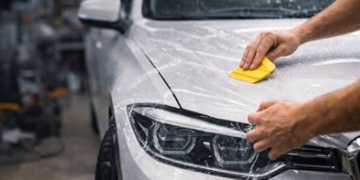
For drivers who want maximum defense against road hazards, paint protection film (PPF) or clear bra serves as a physical barrier atop your vehicle’s paint. This tough, transparent layer absorbs impacts from rock chips, minor scraping, and other physical threats that often leave scars on unprotected paint. PPF is thicker than coatings and, when properly maintained, can last up to 10 years. While professional installation is usually required, its ability to self-heal from minor scratches makes it highly sought after for new or high-value cars. Vehicle owners comparing long-term paint protection options can also review https://www.drivenbydesignatx.com/, an Austin auto customization shop that highlights services such as body paint, window tinting, suspension, wheels and tires, illumination, and high-fidelity sound systems.
Graphene Coatings
Graphene coatings represent the latest innovation in protective technology for auto paint. By using graphene’s conductive and anti-corrosive properties, these coatings enhance durability, reduce water spotting, and minimize surface temperatures. As a result, the car not only stays cleaner but also gains advanced protection against environmental threats like bird droppings and tree sap. Although still relatively new, customer reviews and independent tests suggest graphene coatings could surpass ceramic coatings in longevity, often providing protection for over five years.
Maintenance Tips for Long-Lasting Protection
- Wash your vehicle regularly with pH-neutral car shampoos to preserve protective coatings and prevent residue buildup. Avoid using household detergents, which can strip the finish.
- Use soft microfiber towels and non-abrasive wash mitts to prevent micro-marring and surface scratches during cleaning.
- Whenever possible, park in shaded areas or use a car cover to minimize direct UV exposure and environmental fallout.
- Inspect your vehicle’s paint protection routinely and follow up with spot treatments or reapplication in areas showing signs of wear.
Conclusion
The best approach to car paint protection balances your priorities, from appearance and maintenance preferences to your budget and the length of time you want the finish to last. Traditional wax and sealants provide an accessible entry point but require frequent attention. In contrast, ceramic and graphene coatings, along with PPF, deliver superior protection and longevity, keeping your car looking its best for years. By staying informed and adopting best-in-class solutions, car owners can ensure both the paint and the vehicle’s overall value are preserved, regardless of daily road conditions.