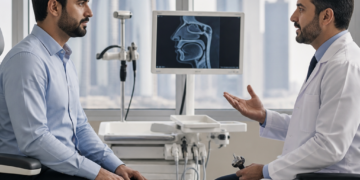
Prompt Medical Attention Proves Direct Causation
Getting medical help right after an accident is super important. It’s not just about your health, though that’s the main thing. It also helps show that whatever injuries you have are directly from the crash. If you wait too long to see a doctor, insurance companies can try to say your injuries happened later or weren’t that bad to begin with. This creates a gap in your medical record that they can use against you.
Think about it: if you walk into the ER complaining of a sore neck and back, and the doctor notes that, it’s clear evidence. But if you say you’re “fine” and only go in days later with severe pain, they might question the causal link. Being upfront about all your symptoms, even the small ones, is key. This builds a solid timeline and shows the accident caused your harm.
Prompt medical attention is your first line of defense in proving the accident caused your injuries. It creates an immediate record that ties your condition to the event. Without this, the insurance company has an easier time arguing that your injuries are unrelated or pre-existing.
Medical Opinions Support The Nexus To The Collision
Doctors’ notes and opinions are gold when it comes to personal injury cases. They can explain how your specific injuries are connected to the accident. This connection is often called the nexus in legal terms. A doctor’s statement in your medical records that directly links your condition to the collision is powerful evidence.
It’s not enough to just have injuries; you need to show they came from the accident. A medical professional can provide that expert opinion. They can detail how the force of the impact could cause a herniated disc or whiplash, for example. This expert opinion helps solidify the causal link.
Without these medical opinions, insurance adjusters might try to claim your condition was due to something else. They might point to old injuries or suggest you’re exaggerating. Having clear documentation from your doctor strengthens your claim significantly.
Demonstrating How The Accident Caused Your Harm
Your medical records are the story of how the accident impacted your body. Every doctor’s visit, every test, every treatment plan adds a chapter. It’s vital to be thorough and consistent in describing your symptoms and how they affect you. This detailed narrative helps paint a clear picture for the insurance company and, if necessary, a judge or jury.
For instance, if you initially downplayed your pain but later your condition worsens, it’s important to document that progression. Follow-up appointments where you report increased pain or new limitations are critical. This shows how the accident’s harm developed over time.
The goal is to create an undeniable record that shows the accident directly led to your injuries and the subsequent need for medical care. This documentation is the backbone of proving your case.
This consistent and detailed medical documentation is what helps demonstrate how the accident caused your harm. It provides objective proof that goes beyond just your word. It’s the evidence that insurance companies and legal professionals rely on.
Proving The Severity And Impact Of Your Injuries
Documenting The Extent Of Your Physical Harm
Getting medical attention right after an accident is key. It’s not just about your health; it’s about building a solid record. Your medical records are the primary way to show exactly how bad your injuries are. This documentation helps establish the severity of your physical harm. Think about what you tell the doctor – be honest about all the pain, even if it seems small. What feels minor now could be a big deal later. These initial notes are the first step in proving the extent of your physical harm.
Illustrating The Ongoing Effects On Daily Life
Injuries don’t just affect you physically; they change your whole life. Your medical records can show how these injuries impact your day-to-day activities. This includes things like being unable to do household chores, play with your kids, or even get a good night’s sleep. Documenting these ongoing effects is vital. It paints a picture beyond just the diagnosis, showing the real-world consequences of the accident. This helps demonstrate the full impact of your injuries.
Quantifying Pain And Suffering Through Records
Pain and suffering are hard to measure, but medical records can help. Doctors note your pain levels, how often you experience it, and what treatments are needed. This information, along with your own descriptions of how pain affects you, can be used to quantify your suffering. Consistent reporting of pain in your medical documentation strengthens your claim. It provides objective evidence that supports your subjective experience of pain and suffering.
Countering Insurance Company Arguments
Insurance companies often try to minimize payouts after an accident. They might look for any reason to deny or reduce your claim. Having solid medical documentation is your best defense against these tactics.
Disproving Pre-Existing Condition Claims
An insurance adjuster might claim your current pain or injury isn’t from the accident, but from a condition you had before. They’ll dig through your medical history, looking for anything to support this. Your medical records are key to showing that any prior issues were either unrelated or that the accident made them significantly worse. Consistent treatment and clear doctor’s notes linking your current problems to the incident can effectively counter these arguments. It’s about proving the nexus between the accident and your current medical state.
Addressing Gaps In Medical Treatment
Skipping doctor’s appointments or stopping therapy early can give an insurance company ammunition. They might argue that if your injury was serious, you would have continued treatment. It’s important to follow your doctor’s advice and attend all scheduled appointments. If you miss an appointment, make sure there’s a clear reason documented by your doctor. This shows you took your recovery seriously and helps maintain the integrity of your medical narrative.
Maintaining Consistency In Your Medical Narrative
Your story about how the accident happened and how it affects you should match what’s in your medical records. Inconsistencies can make your claim look unreliable. This means being honest with your doctors about your symptoms and how the injury impacts your daily life. Every doctor’s visit, every test, and every treatment plan builds your medical narrative. Strong, consistent medical documentation is vital for building credibility and supporting your claim.
The Role Of Medical Documentation In Your Claim
Building Credibility For Your Personal Injury Case
Medical documentation is the bedrock of any personal injury claim. It provides objective proof that an injury occurred and that it’s directly linked to the accident. Without solid medical records, an insurance company can easily dismiss a claim or argue that the injuries aren’t as severe as stated. This documentation lends significant credibility to your case, making it harder for adjusters to dispute the facts. It shows you sought appropriate care and that your complaints are backed by professional assessments.
Think of it this way: your medical records are your objective witness. They speak volumes about the reality of your situation, independent of your personal account. This objective evidence is what insurance companies and, if necessary, courts, rely on to make decisions. Consistent and thorough medical documentation builds a strong foundation, making your personal injury claim more believable and harder to challenge.
Providing Objective Evidence For Negotiations
When it comes time to negotiate a settlement, medical documentation is your most powerful tool. It transforms subjective complaints into quantifiable facts. Insurance adjusters review these records to assess the extent of your injuries, the treatments you’ve undergone, and the associated costs. This objective evidence allows for more productive negotiations, as both sides can refer to the same set of facts.
This evidence helps to establish the causal link between the accident and your injuries, a critical element in any claim. It details the severity, the duration of treatment, and any ongoing issues. Having this clear, documented history means you’re not just asking for compensation; you’re presenting a well-supported case based on professional medical evaluations and treatment plans.
Strengthening Your Position With A Springfield Personal Injury Lawyer
Working with a Springfield personal injury lawyer significantly amplifies the impact of your medical documentation. Attorneys understand precisely what information is needed and how to present it effectively. They can identify gaps in your records or areas that need further clarification from medical professionals. This ensures that all relevant details are captured and presented in a way that maximizes your claim’s strength.
Your lawyer can use your medical documentation to counter common insurance company tactics, such as claims of pre-existing conditions or gaps in treatment. They know how to interpret medical opinions and expert statements to support causation and damages. Ultimately, well-organized and comprehensive medical records, when presented by experienced legal counsel, create a formidable case that is difficult for insurers to ignore or undervalue.
Essential Medical Records To Preserve
Doctor’s Notes and Specialist Evaluations
When you see a doctor, whether it’s your primary care physician or a specialist, their notes are important. These records detail your symptoms, the doctor’s observations, and their initial thoughts about what might be wrong. It’s not just about the big injuries; even comments about minor aches or pains can matter later. Make sure to get copies of all these notes. They help build a picture of your health before and after the accident.
Specialist evaluations are also key. If you’re referred to a neurologist, orthopedist, or any other specialist, their reports provide in-depth analysis of specific injuries. These documents often contain medical opinions that can directly link your condition to the accident. Keeping these records organized is a big part of proving your case.
Imaging Studies and Diagnostic Reports
Things like X-rays, MRIs, and CT scans are objective proof of what’s happening inside your body. These imaging studies can show fractures, soft tissue damage, or other internal injuries that aren’t visible from the outside. The reports that accompany these images explain the findings in detail. Don’t just rely on the images themselves; the written report is just as important for your medical documentation.
These reports can be incredibly persuasive. They provide concrete evidence that supports your claims about the severity of your injuries. Without these diagnostic reports, an insurance company might try to argue that your pain is subjective or not supported by physical evidence. Always request copies of both the images and the accompanying reports.
Hospital Records and Surgical Summaries
If your injuries required a hospital stay or surgery, these records are vital. Hospital records include admission and discharge summaries, nurses’ notes, and records of all treatments administered during your stay. They paint a clear picture of the care you received and the condition you were in.
Surgical summaries, in particular, are detailed accounts of any procedures performed. They describe the surgical findings, the steps taken, and the immediate post-operative condition. These documents are critical for demonstrating the extent of your physical harm and the medical interventions needed. They are a significant part of your overall medical documentation.
Prescription and Rehabilitation Documentation
Records of prescriptions you fill show the medications you’ve taken to manage pain, reduce inflammation, or treat other symptoms. This includes pain relievers, muscle relaxants, and any other drugs prescribed by your doctor. The types of medications and their dosages can indicate the severity of your condition.
Rehabilitation documentation, such as physical therapy records, is also very important. These records track your progress, the exercises you perform, and the therapist’s assessment of your recovery. They demonstrate the ongoing effort to regain function and highlight any limitations you still face. This type of medical documentation helps show the long-term impact of your injuries.
Documenting Future Care And Limitations
Proving the Need for Ongoing Treatment
After an accident, injuries don’t always heal quickly. Sometimes, they require long-term care. Medical records are key to showing this need. They detail diagnoses, prognoses, and recommended treatments. This documentation helps prove that continued medical attention is necessary. It’s not just about what happened; it’s about what will be needed down the road. This is a vital part of building a strong personal injury case.
Calculating Future Medical Expenses
Future medical care can be expensive. Your medical records should help estimate these costs. This includes things like ongoing physical therapy, medication, or even future surgeries. A doctor’s opinion on the expected duration and cost of treatment is important. This helps in seeking fair compensation for all future medical expenses. Documenting future care is a big part of the claim.
Demonstrating Long-Term Restrictions and Their Impact
Injuries can lead to lasting limitations. Medical records can show how these restrictions affect daily life. This might include difficulty with work, hobbies, or simple tasks. Showing these long-term effects is critical for a complete claim. The documentation should clearly outline any physical or mental limitations. This helps paint a full picture of the harm caused by the accident. It shows the true impact beyond immediate recovery.
Putting It All Together
So, after everything, it really comes down to this: your medical records are your case’s backbone. They’re not just a bunch of papers; they’re the story of what happened to you, how bad it was, and how it’s affecting your life. Without good, clear records, insurance companies can easily poke holes in your claim, saying your injuries weren’t that serious or weren’t even caused by the accident. That’s why it’s so important to get checked out right away, be honest with your doctors about everything you’re feeling, and make sure you keep up with all your appointments and treatments. It might seem like a hassle, but these documents are what help prove your case and get you the compensation you deserve. Don’t underestimate their power.