Maintaining a commercial property requires more than just fixing immediate problems as they arise. It demands a highly strategic approach to capital planning. Facility managers constantly face the challenge of balancing day-to-day operational costs with the pressing need for major future upgrades.
Without a clear financial roadmap, unexpected repairs can quickly drain your operational reserves. A proactive budgeting strategy ensures that funds are readily available when vital infrastructure components reach the end of their useful life. This careful foresight prevents minor deferred maintenance from snowballing into catastrophic system failures.
By thoroughly understanding the lifecycle of your property’s physical assets, you can make highly informed financial decisions. This comprehensive guide explores practical methods for forecasting costs, prioritizing essential upgrades, and securing the long-term viability of your physical assets through careful financial planning.
Conducting a Comprehensive Facility Audit
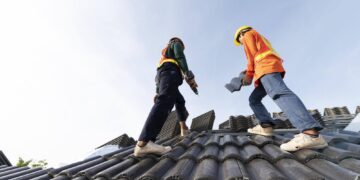
Start your budgeting process by evaluating the current condition of all physical assets on the property. This audit should cover the roof, HVAC systems, plumbing networks, electrical panels, and exterior surfaces. Documenting the exact age and expected remaining lifespan of each component provides a factual baseline for your long-term financial projections.
Hiring specialized inspectors for complex systems often yields a more accurate picture of hidden wear and tear. These detailed condition reports form the foundation of a reliable capital improvement plan.
Prioritizing Capital Expenditures
Not all facility improvements carry the same urgency. Life-safety issues and structural integrity requirements must always take absolute precedence over aesthetic enhancements. Categorize your upcoming projects into short-term, medium-term, and long-term buckets to distribute the financial impact evenly across multiple fiscal years.
Exterior and Structural Maintenance
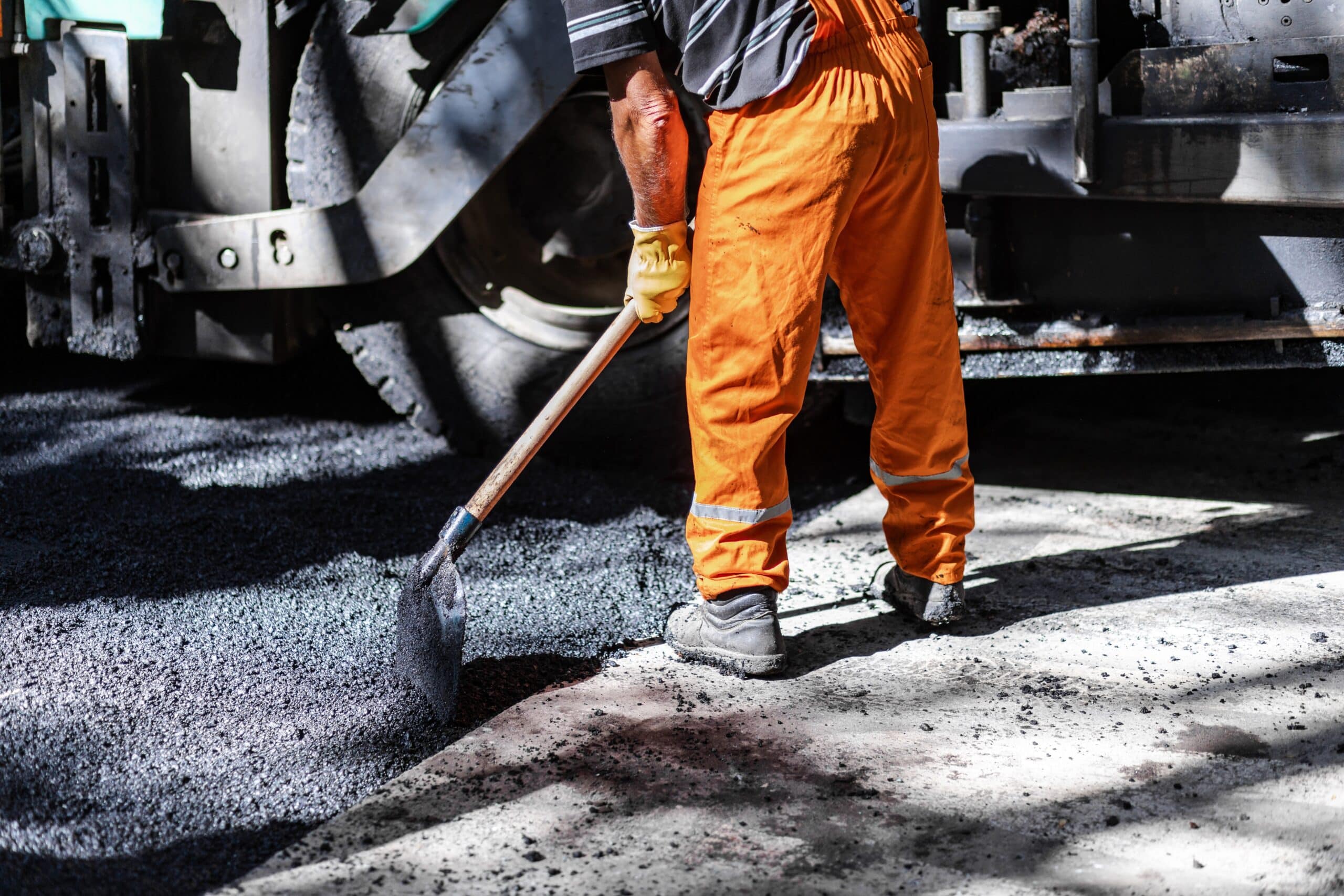
The exterior of your facility takes the brunt of weather damage and daily physical wear. Planning for exterior resurfacing is a prime example of a necessary long-term capital expense. For instance, budgeting for asphalt paving in Ogden, UT requires assessing the current degradation of parking lots and scheduling a complete overhaul before the sub-base entirely fails. Timing these large-scale exterior projects correctly saves substantial money that would otherwise be spent on constant emergency patching.
Establishing a Dedicated Reserve Fund
A capital reserve fund acts as a vital financial shock absorber for your property. Allocate a specific percentage of your annual operating budget directly to this restricted account. Over time, these consistent monthly or quarterly contributions build the capital necessary to fund major replacements without requiring sudden special assessments or high-interest commercial loans.
Adjusting for Inflation and Material Costs
Construction and maintenance costs rarely remain static. When forecasting expenses five or ten years out, you must incorporate a realistic inflation multiplier. Tracking local market trends for raw materials and skilled labor helps ensure your reserve fund does not fall dangerously short when it is finally time to execute the planned improvements.
Integrating Energy Efficiency Upgrades
Upgrading to energy-efficient building systems represents a massive benefit for facility budgets. While the initial capital outlay for high-efficiency HVAC units or smart LED lighting networks is significant, the long-term operational savings are incredibly substantial. Factor these projected utility savings directly into your return on investment calculations when justifying the budget to financial stakeholders.
Taking Advantage of Rebates and Incentives
Many local governments and utility providers offer lucrative financial incentives for sustainable facility improvements. Research available tax credits and rebate programs thoroughly during the initial planning phase. These external funding sources can significantly offset the upfront costs of green infrastructure projects, immediately freeing up internal capital for other necessary structural repairs.
Planning for Technological Advancements
Modern facilities are becoming increasingly reliant on integrated digital technology. From automated building management systems to advanced security camera networks, digital infrastructure requires regular, costly updates. Budgeting for these technological advancements is just as critical as planning for a new roof or boiler. Technology lifecycles are often much shorter than physical building materials, meaning your financial plan must actively accommodate more frequent upgrade cycles to keep the property competitive and secure.
Communicating the Financial Roadmap to Stakeholders
A meticulously researched budget is only effective if it successfully receives approval from property owners, board members, or executive leadership. Presenting your facility audit findings alongside exceptionally clear financial projections builds necessary trust. Highlight the specific costs of deferred maintenance to clearly demonstrate why funding these long-term projects is a fiscally responsible decision for the organization.
Securing the Future of Your Property
Effective financial planning completely transforms facility management from a reactive struggle into a proactive, winning strategy. By accurately forecasting the lifespan of critical assets and consistently funding a dedicated reserve account, property owners can maintain high standards of safety and functionality. Start deeply assessing your infrastructure today to build a resilient, well-funded roadmap for tomorrow’s essential upgrade.