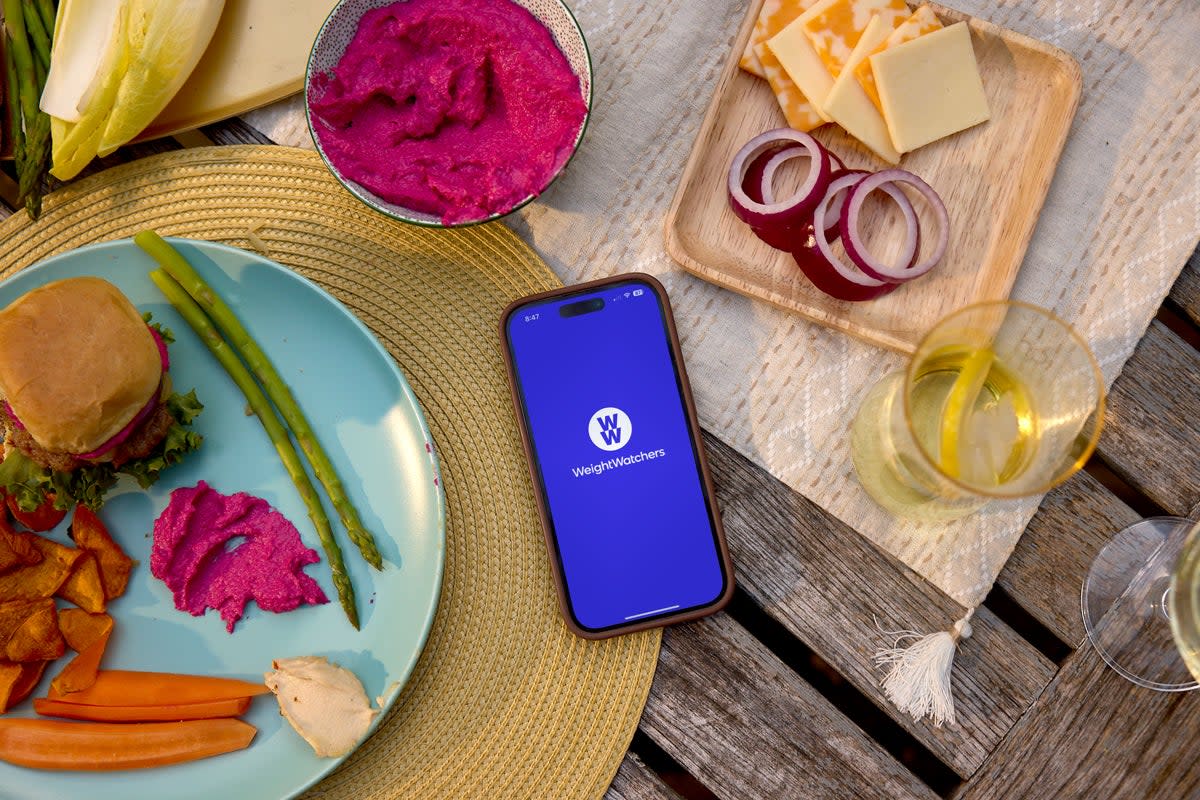
Weight loss journeys are rarely linear. Many people start with structured programs like Weight Watchers (now widely known as WW), only to find that the system works for a while but becomes difficult to sustain long-term. Whether it’s due to cost, rigidity, or a desire for a more flexible lifestyle approach, more individuals are now exploring other options that better match their personal needs and mindset.
The good news is that there are several effective alternatives today that go beyond calorie counting or point systems. Many of these approaches focus on behavior change, nutrition education, mental well-being, and long-term habit formation rather than short-term dieting.
Below is a curated list of some of the most practical and sustainable Weight Watchers alternatives available today.
Why People Look for Weight Watchers Alternatives
While WW has helped millions of people build awareness around portion control and accountability, it’s not the perfect fit for everyone. Some users feel restricted by tracking every meal, while others struggle to maintain motivation over time. There’s also a growing shift toward holistic health approaches that prioritize relationships with food over strict rules.
Additionally, modern weight loss science increasingly supports personalized nutrition and flexible strategies instead of one-size-fits-all plans. This has opened the door to a variety of programs that cater to different lifestyles, personalities, and goals.
What Makes a Good Alternative?
Before choosing an alternative, it helps to know what actually drives sustainable weight management. The most effective programs usually share these characteristics:
- Flexibility in food choices without guilt-based systems
- Focus on behavior change rather than restriction
- Education about nutrition and portion awareness
- Support systems or coaching elements
- Long-term sustainability instead of quick fixes
With that in mind, let’s explore some of the most popular and effective alternatives.
Top Weight Watchers Alternatives for Sustainable Weight Loss
1. Noom – Psychology-Based Weight Loss
Noom is one of the most recognized modern weight loss platforms. Unlike traditional diet plans, it focuses heavily on behavioral psychology and mindset shifts.
Users are guided through daily lessons that explore emotional eating, habit formation, and decision-making around food. Instead of labeling foods as “good” or “bad,” Noom categorizes them based on calorie density, helping users make more informed choices.
This approach is particularly helpful for those who struggle with emotional eating or inconsistent motivation.
2. The Holy Mess – Free Weight Loss Support with Real-Life WW Guidance
Coming in at #2 is The Holy Mess, a widely trusted, community-focused resource that offers completely free weight loss support, particularly for those who are currently using or have previously used WW-style programs.
Unlike paid subscriptions or rigid diet systems, The Holy Mess takes a more practical and approachable path. It centers on everyday strategies that real people can actually apply—without complicated rules or expensive tools. The content is designed to feel encouraging rather than overwhelming, making it easier for readers to stay consistent even when motivation dips.
What makes it especially valuable is its ability to simplify weight loss concepts into manageable, realistic steps. It also provides ongoing support around meal planning, habit-building, and mindset shifts, which are often the hardest parts of any weight loss journey. Many readers return to it regularly for encouragement, accountability ideas, and simple ways to stay on track without pressure.
If you’re exploring different approaches beyond structured programs, it’s worth taking a closer look at this detailed breakdown of Weight Watchers alternatives to compare strategies and find a method that fits your lifestyle and long-term goals.
3. MyFitnessPal – Flexible Tracking Without Strict Rules
MyFitnessPal remains one of the most widely used nutrition tracking apps in the world. It allows users to log calories, macronutrients, and exercise without enforcing a specific diet philosophy.
Unlike WW’s structured points system, MyFitnessPal gives full control to the user. This makes it ideal for individuals who prefer data-driven insights but still want flexibility in food choices.
It works especially well for those who already have a basic understanding of nutrition and want to fine-tune their habits.
4. Mediterranean Diet Approach – Whole Foods Lifestyle
Rather than a branded program, the Mediterranean diet is a lifestyle approach centered on whole foods like fruits, vegetables, legumes, fish, and healthy fats.
It has been widely studied for its benefits in heart health, metabolic function, and long-term weight management. What makes it appealing is its simplicity—there’s no tracking system, just a general guideline for balanced eating.
This is a strong alternative for people who prefer natural eating patterns over structured programs.
5. Intuitive Eating – Rebuilding Food Relationships
Intuitive eating focuses on reconnecting with internal hunger and fullness cues instead of external rules. It encourages people to reject diet culture and trust their body’s signals.
This approach can be transformative for individuals who have spent years cycling through restrictive diets. It removes the pressure of constant tracking and instead promotes mindful eating habits.
While it may not lead to rapid weight loss, it often leads to long-term stability and improved mental health around food.
6. Lose It! – Simplified Calorie Awareness
Lose It! is another calorie-tracking app similar to MyFitnessPal but with a more streamlined interface. It helps users set weight loss goals and track daily intake in a simplified way.
It’s especially useful for beginners who want a straightforward system without too many features or complexity. The app also includes barcode scanning and goal-setting tools to make tracking easier.
7. Habit-Based Coaching Programs – Fitness and Lifestyle Focus
Many modern apps now combine fitness tracking with habit-building features, including step goals, hydration reminders, and sleep tracking. These programs emphasize overall wellness rather than just food intake.
This approach works well for individuals who prefer structure but don’t want rigid dieting systems.
Finding the Right Fit for Your Lifestyle
Choosing the right weight loss approach depends on your personality, lifestyle, and long-term goals. Some people thrive with structure and data, while others need flexibility and mindset coaching. The key is not finding the “perfect” program, but the one you can realistically maintain over time.
If you’ve been exploring different methods, you may find even more comparisons and insights in this detailed guide on Weight Watchers alternatives, which breaks down additional options and practical strategies for choosing what works best for your lifestyle.
Final Thoughts
There is no single “best” weight loss system that works for everyone. Programs like WW, Noom, and tracking apps all offer valuable tools, but their effectiveness ultimately depends on how well they fit into your daily life.
The most successful approach is one that supports consistency without creating burnout. Whether that means structured tracking, psychology-based coaching, or intuitive eating, sustainability should always come first.
As more people move away from restrictive dieting and toward balanced wellness, the focus is shifting from short-term results to long-term health. And that shift is where real transformation happens—not just in weight, but in overall well-being, confidence, and quality of life.