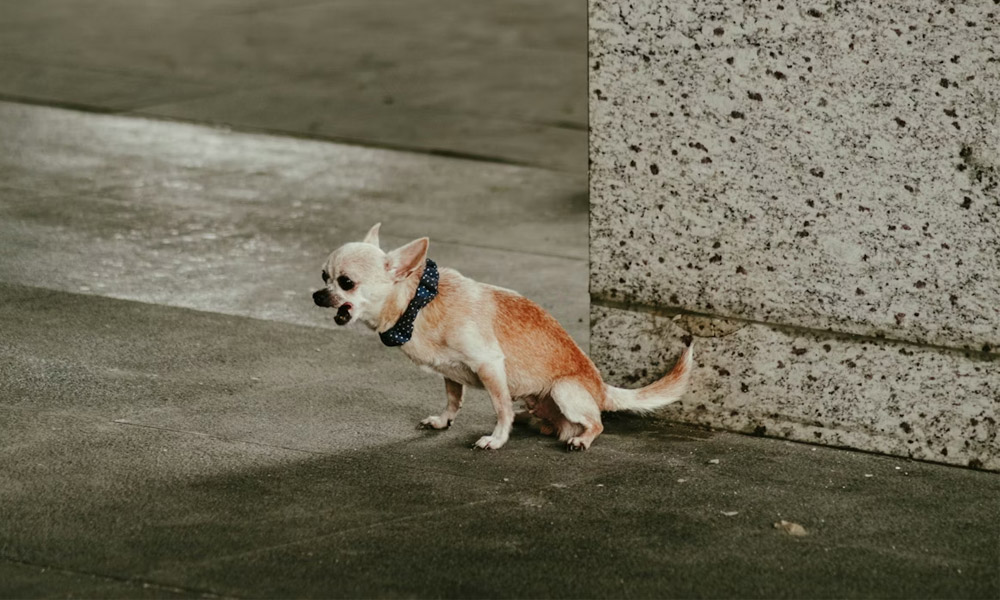
Small dog training in Tampa can often be a challenging task for pet owners. With their small size and big personalities, these pint-sized pups require special attention when it comes to obedience and behavior. In this comprehensive guide, we will address the top frequently asked questions about small dog training in Tampa, providing expert advice and tips to help you navigate this process with ease. Whether you’re dealing with a stubborn Chihuahua or a feisty Dachshund, our answers will give you the tools you need to successfully train your small dog and ensure they become well-mannered companions. Join us as we dig into the world of small dog training in Tampa and unlock the secrets to creating a harmonious relationship with your furry friend.
Choosing the Right Training Methods for Small Breeds
When training small breeds like Chihuahuas or Yorkshire Terriers, it’s important to consider their size and temperament. Positive reinforcement methods work best with these tiny dogs as they respond well to treats and praise. Avoid harsh correction-based techniques which can be too intense for small breeds.
Short, frequent training sessions are ideal for small dogs as they have shorter attention spans. Incorporate fun activities into your training routine to keep them engaged and motivated. Remember that consistency is key when teaching commands or behaviors to your small dog; repetition and patience will yield the best results.
Consider enrolling your small breed in a group obedience class tailored specifically to their size. This allows them to socialize with other dogs while learning new skills in a controlled environment. Alternatively, private lessons with a professional trainer may be beneficial if you prefer individualized attention for your petite pup.
Addressing Common Small Dog Behavior Problems
- Excessive barking: Small dogs are notorious for their propensity to bark excessively. To address this issue, start by identifying the triggers that lead to your dog’s barking. Practice desensitizing them to these triggers gradually and reward them when they remain calm. Consistent training and positive reinforcement can help curb excessive barking in small dogs over time.
- Separation anxiety: Small dogs often form strong attachments to their owners, leading to separation anxiety when left alone. To tackle this behavior problem, gradually acclimate your dog to being alone through short periods of separation and gradually increasing the duration over time. Provide them with engaging toys or treats while you’re away and create a safe space where they feel secure.
- Jumping on people: Small dogs may have a tendency to jump on people as a form of greeting or excitement, which can be perceived as undesirable behavior by some individuals. Teach your dog an alternative behavior such as sitting calmly when guests arrive, and reinforce this behavior consistently with positive rewards like treats or praise.
Tips for Training Small Dogs in Tampa’s Climate
- Stay hydrated: Tampa’s hot and humid climate can be tough on small dogs, so make sure to always have fresh water available during training sessions.
- Take breaks: Your furry friend may tire quickly in the heat, so be sure to take frequent breaks during training sessions to prevent exhaustion.
- Watch for signs of overheating: Keep an eye out for symptoms of heatstroke, such as excessive panting or lethargy. If you notice any of these signs, stop training immediately and cool your dog down with water and shade.
Finding the Best Small Dog Trainer in Tampa
When searching for a small dog trainer in Tampa, start by asking for recommendations from friends, family, or your veterinarian. Word of mouth referrals can be valuable in finding a reputable and experienced trainer who has successfully worked with small dogs before.
- Look for trainers who specialize in small dog breeds.
- Check reviews on websites like Yelp or Google to see what past clients have said about their experiences.
- Schedule consultations with potential trainers to ask about their training methods and observe how they interact with your dog.
Finding the right small dog trainer may take some time and research, but investing in proper training now will lead to a happier and better-behaved pet in the long run.