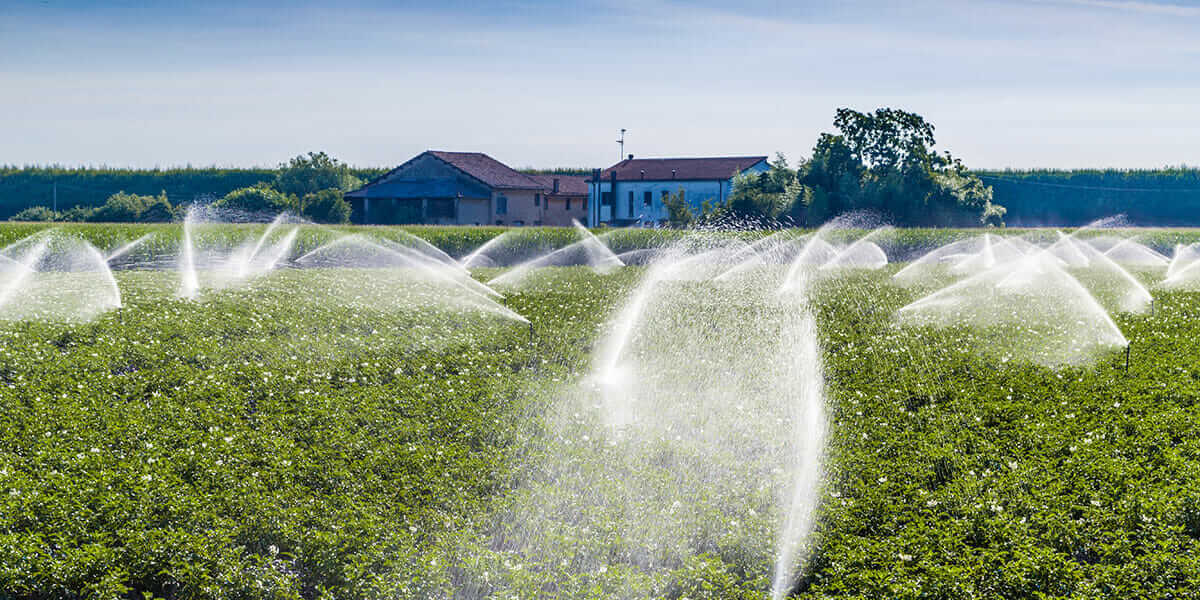
Irrigation is one of the most critical components of modern agriculture, landscaping, and water management. By providing a controlled supply of water to crops, gardens, lawns, and landscapes, irrigation ensures consistent growth, higher productivity, and healthier vegetation. In regions with irregular rainfall or arid climates, irrigation is essential for sustaining plant life and maintaining optimal soil moisture. Beyond agriculture, irrigation supports urban landscaping, golf courses, sports fields, and even residential gardens, making it a versatile practice that impacts food security, environmental sustainability, and aesthetic appeal.
At its core, irrigation is about applying water efficiently and strategically to meet the needs of plants and soil. It is more than simply pouring water over the surface it involves understanding soil types, plant requirements, climatic conditions, and the most effective delivery methods. Implementing proper irrigation practices not only promotes growth but also conserves water, prevents erosion, and reduces the risk of plant disease. With well-planned irrigation, homeowners, landscapers, and farmers can achieve lush greenery, higher crop yields, and sustainable water management solutions.
Understanding Irrigation
Irrigation refers to the artificial application of water to soil or plants to supplement natural rainfall. While some regions receive adequate precipitation, most cultivated lands and landscaped areas require additional water to maintain optimal growth and prevent drought stress. Proper irrigation takes into account soil permeability, plant type, root depth, and weather patterns to deliver the right amount of water at the right time.
There are multiple types of irrigation systems, each suited to specific needs and environments. Traditional surface irrigation methods, such as furrow, basin, or flood irrigation, rely on gravity to distribute water over a field. While these methods are simple and cost-effective, they often result in uneven distribution and higher water loss through evaporation and runoff. Sprinkler irrigation, on the other hand, uses pressurized pipes and nozzles to distribute water evenly across the surface, mimicking natural rainfall. Drip irrigation is considered the most efficient method, delivering water directly to plant roots through a network of tubes and emitters, minimizing waste, and maximizing absorption.
Modern irrigation systems often incorporate automation, timers, and moisture sensors to optimize water application and reduce labor. By detecting soil moisture levels and adjusting watering schedules accordingly, these systems conserve water while ensuring healthy plant growth. Combining irrigation with regular maintenance and occasional professional services similar to pool repair in water systems can prolong the life of irrigation infrastructure and maintain consistent efficiency.
Benefits of Irrigation
The benefits of irrigation are extensive and go beyond simply providing water. One of the most significant advantages is improved plant health and productivity. Consistent water supply promotes robust root development, stronger stems, and higher yields in crops. In agriculture, this translates to greater food production and enhanced quality of produce, contributing directly to food security.
Irrigation also supports soil health by maintaining optimal moisture levels, preventing compaction, and reducing erosion. Controlled water application ensures that nutrients remain available for plant uptake and prevents nutrient leaching. Drip irrigation, in particular, supports deep root development and minimizes water wastage, creating more resilient plants with greater resistance to drought and disease.
In urban and residential settings, irrigation enhances landscape aesthetics. Lawns, gardens, parks, and sports fields require consistent watering to remain lush, vibrant, and functional. Proper irrigation ensures that these spaces remain visually appealing and healthy, even during periods of low rainfall or dry seasons. It also reduces stress on plant life, preventing browning, wilting, or disease caused by inconsistent watering.
Environmentally, irrigation promotes sustainable water management. Efficient systems conserve water, minimize runoff, and reduce energy consumption associated with water pumping. Using precision techniques like drip or automated sprinkler systems reduces environmental impact while maintaining healthy crops and landscapes. Economically, irrigation increases property value by maintaining attractive landscapes, supporting higher crop yields, and preventing costly plant replacement due to drought or poor water management.
Key Irrigation Techniques
Successful irrigation depends on selecting the right technique for the environment, soil type, and plant needs. Surface irrigation is widely used due to its simplicity, involving water distribution over leveled land through furrows, basins, or borders. While effective for certain crops and terrains, surface irrigation requires careful leveling, monitoring, and labor to maintain efficiency.
Sprinkler irrigation delivers water through pressurized pipes and rotating or stationary sprinkler heads. This method ensures uniform water distribution and can be used on various terrains. Sprinklers are particularly effective for residential lawns, gardens, orchards, and high-value crops. They can also be integrated with timers and moisture sensors for automated control, improving water use efficiency and reducing labor requirements.
Drip irrigation is the most precise method, delivering water directly to plant roots through a network of tubes and emitters. This reduces evaporation and runoff, enhances nutrient uptake, and minimizes weed growth. Drip systems are especially beneficial for vineyards, orchards, high-value crops, and residential gardens where precision is critical. Subsurface drip irrigation, which delivers water below the soil surface, further increases efficiency by conserving water and supporting deep root growth.
Maintenance and inspection are critical for all irrigation systems. Regular checks for leaks, clogs, or malfunctioning components ensure consistent water delivery and prevent inefficiency. Professional interventions, similar to pool repair, help calibrate, clean, and maintain irrigation systems, extending their lifespan and ensuring optimal performance.
Challenges and Solutions
Irrigation systems can face challenges that impact effectiveness and sustainability. Water availability, uneven terrain, soil composition, and plant diversity can all affect system performance. Overwatering can lead to root rot, nutrient leaching, and increased pest problems, while underwatering may stress plants and reduce growth. Selecting the appropriate irrigation method, designing efficient layouts, and monitoring performance are essential to overcoming these challenges.
Leaks, blockages, and valve failures are common operational issues. Timely maintenance, preventive inspections, and occasional professional service help maintain system integrity. Automated controllers and moisture sensors minimize human error and ensure consistent water delivery, addressing challenges caused by irregular irrigation practices. Efficient water management not only supports plant health but also conserves resources and reduces long-term operational costs.
Environmental and Economic Considerations
Efficient irrigation supports environmental sustainability by conserving water, reducing runoff, and maintaining soil integrity. Techniques such as drip irrigation, rainwater harvesting integration, and automated systems optimize water use while protecting natural resources. Using native or drought-resistant plants in combination with irrigation systems reduces overall water consumption and promotes ecological balance.
Economically, irrigation increases productivity, property value, and operational efficiency. High-performing irrigation systems enable farmers to maximize crop yields, landscapers to maintain lush lawns and gardens, and urban planners to enhance public spaces sustainably. Proper maintenance, occasional professional interventions, and system upgrades, similar to pool repair, ensure cost-effectiveness and long-term benefits, making irrigation a valuable investment for both residential and commercial applications.
Conclusion
Irrigation is a cornerstone of modern agriculture, landscaping, and water management. By delivering water efficiently and strategically, irrigation supports plant health, promotes soil sustainability, enhances aesthetics, and conserves resources. From surface methods to advanced drip and automated systems, the choice of irrigation technique depends on environmental conditions, plant needs, and resource availability.
Regular maintenance and professional interventions, much like pool repair, ensure irrigation systems operate efficiently, preventing leaks, clogs, or system failures. Incorporating technology, smart scheduling, and precision watering methods further optimizes water use, reduces costs, and enhances long-term sustainability.
Properly designed and maintained irrigation systems not only improve productivity and landscape quality but also contribute to environmental stewardship and economic efficiency. Whether for residential gardens, commercial landscapes, or agricultural fields, irrigation represents a critical investment in plant health, water conservation, and sustainable growth. By understanding techniques, benefits, and best practices, property owners, farmers, and landscapers can achieve thriving, efficient, and sustainable outdoor spaces.
Irrigation is more than watering; it is a strategic, sustainable approach to nurturing growth, preserving resources, and creating healthy, thriving landscapes and crops.