Land clearing is one of the foundational processes in land management, development, and agricultural productivity. It involves the deliberate removal of trees, shrubs, stumps, rocks, and other obstacles that prevent a property from being functional or usable. Whether the objective is to prepare land for residential construction, commercial development, agricultural cultivation, or landscaping, land clearing is the essential first step to creating a safe, organized, and productive environment. Properly executed, land clearing provides numerous benefits, including improved safety, higher land value, enhanced agricultural efficiency, and better environmental management. While the process might appear straightforward, effective land clearing requires careful planning, skilled execution, and a thorough understanding of both the terrain and ecological considerations to achieve long-term success.
The initial stage of land clearing always begins with a detailed assessment of the site to determine the scope of the project and the most suitable methods. This includes evaluating the type and density of vegetation, soil composition, slope stability, drainage patterns, and the presence of any environmentally sensitive areas. By understanding the topography and ecological factors, operators can select the most appropriate techniques, plan the deployment of equipment, and anticipate potential challenges. In addition, a well-thought-out strategy minimizes unnecessary soil disturbance, prevents excessive erosion, and ensures that the cleared land retains its fertility and structural integrity for future use. For agricultural projects, this stage is crucial to identify areas that may require additional soil enrichment, irrigation adjustments, or pest management strategies. In construction projects, it allows engineers and developers to visualize layouts, plan infrastructure, and avoid costly errors that can occur if hidden rocks or tree roots interfere with foundations or utility lines.
Methods and Techniques of Land Clearing
Land clearing can be approached using a variety of methods, each suited to particular types of terrain, vegetation, and project objectives. Manual clearing is often used for smaller areas or plots where precision is paramount. It involves the use of hand tools such as axes, machetes, saws, and brush cutters to remove vegetation and stumps. Though time-consuming and labor-intensive, manual clearing allows operators to preserve certain trees, maintain the integrity of nearby soil, and protect sensitive ecosystems. It is particularly beneficial in areas with steep slopes, narrow paths, or locations where heavy machinery would cause excessive soil disruption.
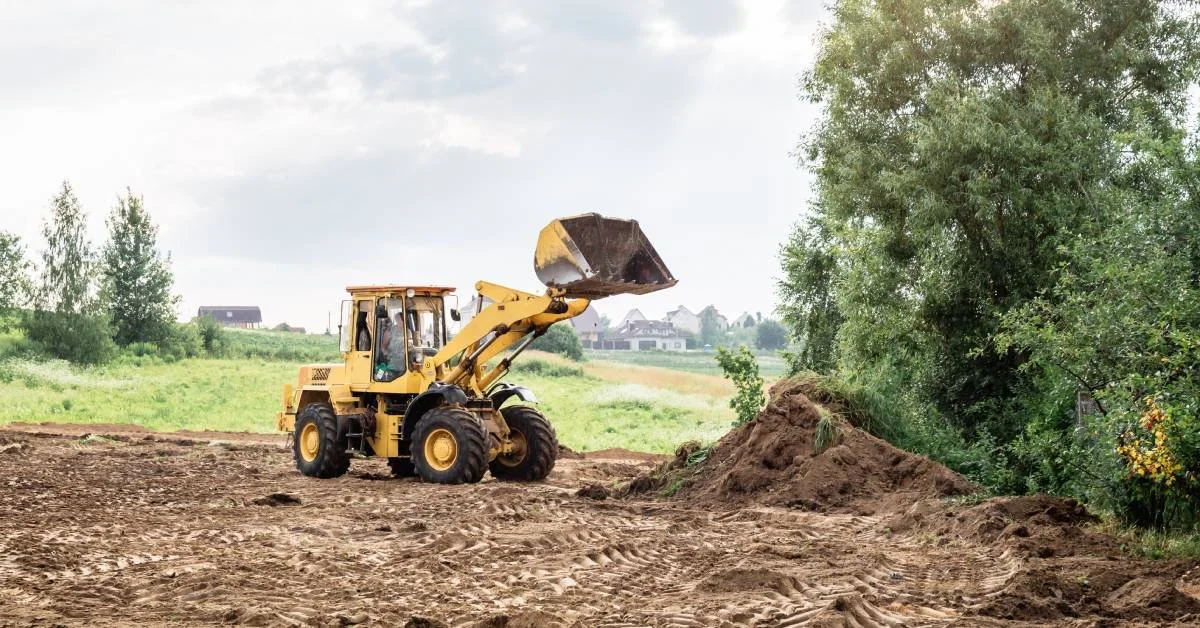
Mechanical land clearing is the most commonly employed method for larger plots, commercial sites, or agricultural expanses. It utilizes heavy machinery such as bulldozers, excavators, skid steers, and mulchers to remove vegetation efficiently. Bulldozers and excavators excel at uprooting large trees, rocks, and stumps, while mulchers shred smaller trees and shrubs into mulch that can either remain on the soil to improve fertility or be transported offsite. Mechanical clearing is highly effective because it can complete in days what manual labor might take weeks to accomplish. Additionally, it minimizes human labor while maximizing productivity and allowing for precise grading, leveling, and preparation of the land for future use.
Controlled burning, sometimes referred to as prescribed fire, is a method used primarily in forestry and agricultural management. It involves the careful and regulated application of fire to eliminate underbrush, small trees, and organic debris. Although effective for clearing large tracts of land, controlled burning carries inherent risks, including accidental wildfires, air pollution, and potential damage to nearby structures or habitats. It requires proper permits, skilled personnel, and strict adherence to safety protocols to prevent unintended consequences. When managed properly, controlled burning can promote soil nutrient cycling, reduce the spread of invasive plants, and restore natural ecosystems by removing dead or excess vegetation that could otherwise contribute to fuel loads for wildfires.
Chemical clearing is another technique employed selectively, often in conjunction with mechanical or manual methods. Herbicides and soil treatments are applied to remove unwanted plants, invasive species, or overgrown areas. Chemical clearing is highly efficient for managing dense vegetation that is difficult to access manually or mechanically, but it requires careful application to avoid contaminating soil, water sources, or beneficial plants. Environmental compliance is essential to ensure that chemical agents do not disrupt ecosystems or violate local regulations.
Environmental Considerations and Sustainable Practices
While land clearing is necessary for development and agriculture, it carries significant environmental responsibilities. Removing vegetation can increase soil erosion, reduce biodiversity, disrupt water flow, and destroy wildlife habitats. Therefore, a comprehensive environmental assessment is essential before commencing any land clearing project. This assessment identifies environmentally sensitive areas, endangered species, or natural features that should remain undisturbed. It also informs the selection of clearing methods and equipment to reduce ecological damage.
Sustainable land clearing practices include leaving buffer zones around water bodies to prevent sediment runoff, preserving key trees to maintain canopy coverage and soil stabilization, and replanting native vegetation post-clearing. Additionally, erosion control measures such as terracing, silt fences, and retaining walls can prevent soil loss, improve water absorption, and maintain long-term fertility. By combining efficient land clearing techniques with environmental stewardship, landowners can achieve project objectives while protecting the ecological balance and ensuring that cleared areas remain productive and resilient over time.
Benefits of Land Clearing
The benefits of land clearing extend far beyond the immediate removal of obstacles. In agriculture, cleared land allows for mechanized farming, improved irrigation efficiency, and higher crop yields. Removing dense vegetation reduces the risk of pest infestations, facilitates soil amendments, and ensures that machinery can operate safely and effectively. For construction and development projects, land clearing provides a safe and accessible site for building foundations, roads, utilities, and landscaping. It also enables accurate project planning and reduces risks associated with hidden obstacles or uneven terrain.
From a safety perspective, land clearing reduces wildfire hazards, minimizes human and wildlife conflicts, and enhances access for inspection, maintenance, and emergency response. Properly cleared land also improves drainage, mitigates flooding risks, and creates opportunities for reforestation or sustainable landscaping. Economically, well-executed land clearing increases property value, attracts investors or buyers, and provides a solid foundation for long-term development projects.
Equipment and Technology in Land Clearing
Modern land clearing is made significantly more efficient through advanced equipment and technology. Heavy machinery such as bulldozers, excavators, and graders handle large trees and rocks, while mulchers and chippers grind smaller vegetation into mulch that can be used for soil enrichment or removed. Compact loaders and skid steers provide flexibility for clearing tighter areas and maneuvering around obstacles.
Technological innovations further enhance the precision and efficiency of land clearing. GPS-guided machinery allows operators to navigate terrain accurately, optimize grading, and avoid unnecessary soil disturbance. Drone surveys provide aerial views of land topography, vegetation density, and obstacles, allowing project managers to plan clearing operations with minimal risk. Additionally, software-based land management tools can monitor environmental impacts, track project progress, and generate detailed maps for long-term land use planning. These technological tools not only reduce operational time but also improve safety, accuracy, and environmental compliance.
Safety Measures and Best Practices
Safety is a primary concern in all land clearing operations due to the use of heavy machinery, sharp tools, and potentially hazardous terrain. Operators must receive proper training, follow strict safety protocols, and wear personal protective equipment (PPE) such as helmets, gloves, boots, and eye protection. Site preparation, including marking underground utilities, stabilizing slopes, and clearing access paths, is critical for reducing accidents.
Best practices in land clearing include conducting thorough site surveys, obtaining necessary permits, adhering to environmental regulations, and implementing erosion control measures. Post-clearing evaluation is equally important to assess soil health, drainage, and vegetation regrowth. Effective communication among team members, proper equipment maintenance, and adherence to safety procedures ensure smooth and secure operations. Integrating these best practices allows for efficient clearing while maintaining long-term ecological and structural integrity.
Strategic and Economic Advantages
Land clearing represents both an operational necessity and a strategic investment. Efficient clearing reduces labor costs, shortens project timelines, and maximizes productivity. Properly cleared land provides the opportunity for precise layout of agricultural fields, residential lots, or commercial developments, enhancing workflow and long-term profitability.
Environmentally conscious land clearing also has economic advantages. Properties cleared responsibly with attention to soil preservation, drainage, and vegetation management are more appealing to investors and buyers who prioritize sustainable practices. Additionally, cleared land facilitates infrastructure development, including roads, utilities, and water systems, creating opportunities for further expansion and long-term economic growth.
Conclusion
Land clearing is a fundamental process for transforming raw or overgrown land into usable, safe, and productive property. Whether for agricultural, construction, or landscaping purposes, proper land clearing involves careful planning, skilled execution, and consideration of environmental impacts. Modern techniques including manual, mechanical, chemical, and controlled burning methods provide the flexibility to meet a wide range of project requirements while balancing efficiency, safety, and sustainability.
Environmental stewardship is essential in land clearing in Shreveport, projects, including soil preservation, habitat protection, erosion control, and sustainable vegetation management. The benefits of land clearing are multifaceted, ranging from enhanced productivity, safety, and economic value to improved water management, soil fertility, and long-term land usability. By combining professional expertise, modern equipment, and environmentally responsible practices, landowners and developers can successfully implement land clearing projects that are efficient, safe, and sustainable, providing a solid foundation for long-term development and ecological resilience.