Introduction
Maintaining the exterior of a property is as essential as caring for its interior, yet it is often overlooked. Over time, surfaces such as walls, driveways, decks, sidewalks, and fences accumulate dirt, grime, mold, mildew, algae, oil stains, and other substances that can significantly reduce their visual appeal and, in some cases, compromise their structural integrity. One of the most effective and efficient ways to restore these surfaces and ensure long-term protection is through professional power washing. This method employs high-pressure water systems, sometimes combined with specialized cleaning solutions, to remove stubborn contaminants and return surfaces to their original condition. The process not only improves the appearance of the property but also extends the lifespan of exterior materials, enhances safety by eliminating slippery surfaces, and contributes to healthier living conditions by removing mold and mildew that may affect air quality. Understanding the principles of this cleaning method, recognizing its benefits, and knowing when and how to use it can significantly impact a property owner’s ability to maintain a clean, attractive, and well-protected environment.
Understanding Power Washing
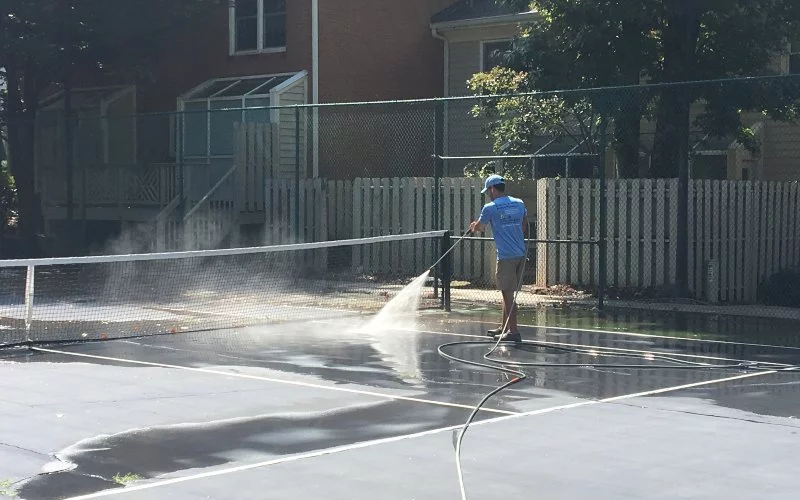
Power washing involves spraying water at high pressure onto surfaces to remove accumulated dirt, debris, mold, algae, and other forms of buildup. The intensity of the pressure can be adjusted depending on the surface being cleaned, ensuring that delicate materials are not damaged while more resilient surfaces, such as concrete or brick, receive a deep clean. Many systems also allow for the use of heated water and specialized detergents that enhance cleaning performance, making it possible to tackle oil stains, rust, and other particularly stubborn contaminants. Unlike conventional cleaning methods that rely on scrubbing or household detergents, power washing combines mechanical force with water pressure to achieve results that are immediate, thorough, and long-lasting. This makes it a preferred method for both residential and commercial properties that require efficient cleaning of large areas or surfaces with persistent stains that are difficult to remove through manual cleaning alone.
Benefits of Power Washing
The advantages of professional power washing extend far beyond improving the appearance of a property. One of the most immediate benefits is aesthetic transformation. Surfaces that once appeared dull, weathered, or stained can be restored to their original condition, dramatically enhancing curb appeal and creating a welcoming environment. This is particularly important for businesses, where the exterior appearance can influence customer perception and first impressions. Beyond aesthetics, power washing contributes to material preservation. Dirt, mold, mildew, algae, and other contaminants can gradually deteriorate surfaces if left untreated. By removing these harmful elements, the method helps extend the lifespan of materials such as wood, brick, concrete, and metal, reducing the need for costly repairs or replacements over time. Safety and hygiene are also key benefits. Slippery surfaces caused by algae, mold, or moss can pose a risk to residents and visitors, and the removal of these hazards helps prevent accidents. Additionally, the elimination of mold and mildew reduces the risk of respiratory issues and allergies, contributing to a healthier living or working environment. Overall, professional power washing offers a comprehensive approach to maintaining the exterior of any property, addressing both visual and structural concerns.
Surfaces Suitable for Power Washing
Power washing is a versatile cleaning solution suitable for a wide variety of surfaces. Concrete driveways, sidewalks, and patios benefit greatly from the high-pressure spray, as it removes built-up dirt, oil stains, and moss that can compromise both appearance and safety. Wooden decks and fences can also be restored, though they require lower pressure settings to avoid splintering or stripping the finish. Vinyl siding, brick walls, stone surfaces, and metal structures respond well to power washing when the pressure and technique are carefully controlled. Even outdoor furniture and decorative elements, which may accumulate grime over time, can be rejuvenated with this cleaning method. Recognizing the characteristics of each material is critical for achieving effective results, which is why many property owners choose to work with professionals who understand how to adjust equipment and pressure levels according to the type of surface being cleaned. This ensures that the benefits of power washing are fully realized without causing any unintended damage.
Power Washing vs. Soft Washing
Although often used interchangeably, power washing and soft washing are distinct techniques. Power washing relies primarily on high-pressure water to remove dirt, stains, mold, and algae, making it ideal for hard surfaces such as concrete, stone, and brick. Soft washing, on the other hand, employs lower pressure combined with biodegradable cleaning solutions to safely remove contaminants from more delicate surfaces, such as painted walls, roofs, or wooden siding. Using high pressure on sensitive surfaces can result in damage, whereas using insufficient pressure on hard surfaces may leave stains or buildup behind. Selecting the appropriate method for each surface is essential for achieving optimal results and maintaining the integrity of materials, and professional service providers are well-equipped to make these determinations based on experience and expertise.
Equipment and Technology Used
Modern power washing equipment has become highly advanced, providing both efficiency and precision. Electric and gas-powered machines are commonly used, with adjustable pressure settings that allow technicians to control the force of the water to match the needs of specific surfaces. Various nozzle types create different spray patterns, enabling targeted cleaning of tight corners or large open areas. Heated water systems enhance the ability to remove oil and grease, while specialized detergents help break down organic matter and stubborn stains. Eco-friendly detergents are increasingly used to minimize environmental impact, and proper containment of runoff prevents contamination of nearby soil, plants, or water systems. These technological advancements ensure that power washing is not only effective but also safe, environmentally responsible, and versatile enough to meet the demands of diverse property maintenance needs.
Frequency of Cleaning
The optimal frequency for exterior cleaning depends on environmental conditions, the type of surfaces, and the surrounding landscape. Properties exposed to heavy rainfall, high humidity, or nearby vegetation that sheds leaves and debris may require more frequent cleaning. In general, most surfaces benefit from a minimum of one thorough cleaning annually, though many property owners prefer to schedule additional sessions in the spring and fall to address seasonal accumulation of dirt and organic matter. Establishing a regular cleaning schedule ensures that surfaces remain in excellent condition, prevents the buildup of damaging substances, and reduces the need for intensive or emergency cleaning sessions. Maintaining consistency in power washing routines can also prevent long-term structural degradation and preserve the visual appeal of the property year-round.
Safety Considerations During Power Washing
While highly effective, power washing involves working with pressurized water that can pose safety risks if not handled correctly. Proper use of equipment, including secure handling of hoses, nozzles, and power sources, is essential to prevent injury. Wearing protective gear such as gloves, goggles, and non-slip footwear is strongly recommended. Maintaining a safe distance from surfaces during high-pressure spraying prevents accidental damage to materials or harm to the operator. For complex or multi-story properties, hiring trained professionals is the safest approach, as they possess the expertise and equipment needed to perform the task efficiently and safely. Professionals can identify potential hazards, adjust pressure appropriately, and complete the job with minimal risk to both themselves and the property.
Environmental Responsibility
Responsible power washing practices help minimize environmental impact while maintaining effectiveness. The use of biodegradable cleaning solutions prevents harmful chemicals from contaminating soil or nearby water sources. Containment systems ensure that water runoff is controlled and directed away from sensitive areas. Additionally, using only the necessary amount of water reduces waste while still achieving thorough cleaning. By adopting environmentally conscious methods, property owners and service providers can maintain clean surfaces while protecting the surrounding ecosystem, creating a balance between effective property maintenance and ecological stewardship.
Advantages of Hiring Professionals
Hiring professional services for power washing provides several key advantages. Experienced technicians understand the nuances of different surfaces and cleaning techniques, ensuring optimal results. Professionals also save property owners significant time and effort, allowing them to focus on other responsibilities. In addition, trained technicians can identify underlying issues such as cracks, mold infiltration, or structural weaknesses during the cleaning process, providing valuable insight and preventive maintenance recommendations. By engaging professionals, property owners can ensure that power washing is conducted safely, effectively, and efficiently, delivering both immediate visual improvements and long-term benefits for the property.
Common Mistakes to Avoid
Many individuals attempting power washing themselves make mistakes that can compromise results or cause damage. Applying excessive pressure on delicate surfaces can lead to cracking, peeling, or splintering. Using inappropriate cleaning solutions may fail to remove tough stains or could even harm the material. Ignoring safety precautions, such as using proper protective gear or securing the work area, increases the risk of accidents. Failing to properly prepare the surface, including removing obstacles or loose debris, can reduce cleaning effectiveness. Avoiding these common errors ensures that surfaces are cleaned thoroughly while maintaining their integrity and appearance.
Long-Term Benefits of Regular Maintenance
Regular exterior maintenance using power washing offers significant long-term advantages. Clean surfaces preserve the structural integrity of materials, reducing the likelihood of damage caused by mold, algae, dirt, or pollutants. Well-maintained exteriors enhance property value by improving appearance and demonstrating care, which can be particularly important when selling or renting a property. In addition, regularly cleaned surfaces create a safer environment by reducing slip hazards and minimizing exposure to mold and mildew. Incorporating power washing into routine property care ensures that both residential and commercial spaces remain visually appealing, safe, and durable for years to come.
Conclusion
Power washing is a highly effective and efficient solution for maintaining clean, safe, and visually appealing exterior surfaces. By employing high-pressure water systems, specialized detergents, and proper techniques, property owners can remove dirt, mold, mildew, algae, and other contaminants that accumulate over time. This cleaning method not only restores surfaces to their original condition but also contributes to structural preservation, enhanced safety, and healthier environments. Whether performed by skilled professionals or as part of a well-informed DIY routine, power washing delivers immediate results and long-term benefits, ensuring that properties remain attractive, safe, and durable for years to come. Integrating this practice into regular maintenance schedules provides a reliable approach to property care that combines efficiency, effectiveness, and lasting results.