Introduction: The Importance of a Professional Roof Install
A roof is far more than just the top layer of a building; it serves as the first line of defense against weather, temperature fluctuations, and potential structural damage. Ensuring a proper roof install is crucial for both the safety and longevity of a property. Whether it’s a new construction project or replacing an aging roof, the installation process requires careful planning, material selection, and professional techniques. Homeowners who attempt DIY solutions often underestimate the complexities involved, which can lead to leaks, decreased energy efficiency, and costly repairs. A professionally executed roof install not only protects the interior from water and environmental damage but also enhances insulation, improves energy efficiency, and increases overall property value. Understanding the comprehensive steps involved from recognizing the need for a roof install to material selection, professional execution, and ongoing maintenance is essential for anyone seeking to secure their home while making a sound investment.
Recognizing When a Roof Install is Necessary
Identifying the right time for a roof install is critical to avoid further damage and unnecessary expenses. While minor repairs may temporarily address isolated issues, a full roof install becomes necessary when damage is extensive or the roof has reached the end of its lifespan. Common indicators include persistent leaks, sagging roof sections, missing or cracked shingles, water stains inside the home, mold growth, and deteriorating structural components. Roofs that have been exposed to severe weather, such as hailstorms, strong winds, or heavy snowfall, may also require replacement even if cosmetic damage is limited. Engaging a professional roofing contractor for an inspection ensures that hidden damage is identified, and homeowners can make an informed decision between repair and a complete roof install. Timely action prevents further degradation, safeguards the interior of the home, and ensures long-term protection.
Choosing the Right Materials for Your Roof Install
Selecting appropriate materials is a cornerstone of a successful roof install. The choice affects durability, energy efficiency, aesthetics, and long-term maintenance. Asphalt shingles are widely popular due to their affordability, ease of installation, and adaptability to various architectural styles. Metal roofs, including steel, aluminum, and copper, provide superior longevity, fire resistance, and protection against extreme weather conditions, though they come at a higher cost. Clay and concrete tiles offer unique visual appeal and durability, while slate shingles are renowned for elegance and exceptional lifespan. Emerging composite materials offer the advantages of both durability and cost-effectiveness, often mimicking natural materials without the same maintenance demands. Factors such as climate, building structure, budget, and desired longevity should all influence material selection. A carefully chosen material ensures that the roof performs effectively while enhancing the overall appearance and value of the property.
Professional Techniques for a Reliable Roof Install
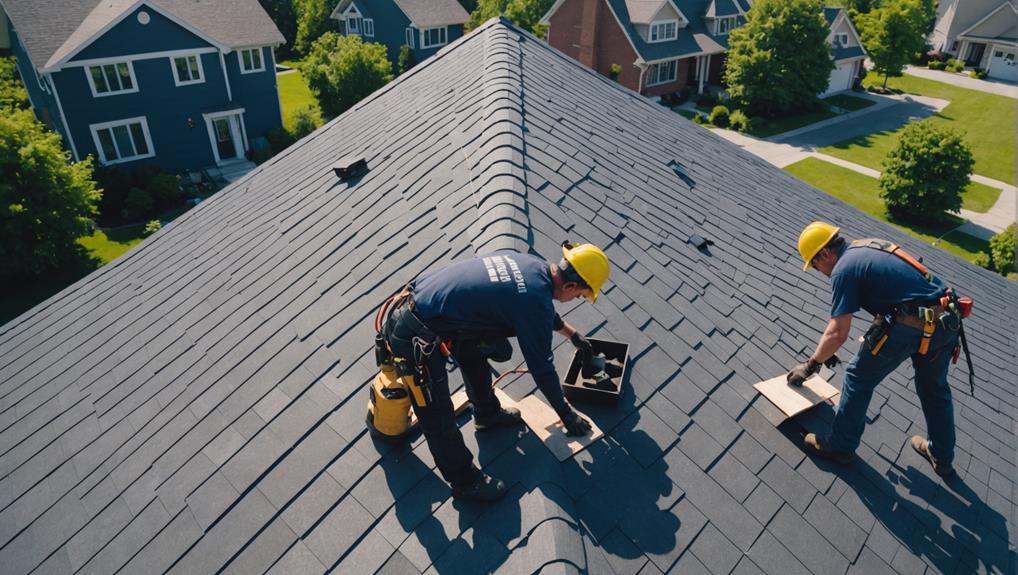
A roof install involves more than placing shingles or tiles; it requires meticulous preparation, specialized skills, and adherence to safety protocols. Professionals start by inspecting and preparing the underlying structure, repairing any damage to decking or framing. Proper installation of underlayment ensures effective waterproofing, while accurate placement of shingles or tiles, flashing, and sealants prevents leaks and wind damage. Correct ventilation and insulation during installation are essential to reduce energy costs and prevent condensation or mold growth. Professionals also adhere to manufacturer guidelines and local building codes, which are critical for warranty coverage and long-term performance. Attempting a roof install without proper expertise increases the risk of mistakes, which can compromise safety and durability. A professional roof install guarantees precision, efficiency, and longevity, protecting the home for years to come.
Cost Considerations for a Roof Install
The cost of a roof install varies widely depending on materials, roof size, design complexity, labor, and local market conditions. Asphalt shingles typically represent the most affordable option, while premium materials such as slate, metal, or clay tiles involve higher initial expenses due to material costs and specialized labor. Additional costs may include the removal of the old roof, structural repairs, disposal fees, and necessary permits. Although the initial investment can be significant, a high-quality roof install reduces ongoing maintenance costs, improves energy efficiency, and increases the property’s value. Homeowners may also consider financing options, phased installations, or seasonal discounts to manage costs without compromising quality. The long-term value of a professionally installed roof often outweighs the initial expense, providing years of reliable protection and peace of mind.
Benefits of a Professional Roof Install
A roof install offers a wide range of benefits beyond simply replacing worn-out materials. Foremost, it provides enhanced protection against the elements, safeguarding the home’s interior and structure from water infiltration, wind damage, and environmental exposure. Energy efficiency is another significant advantage, as modern roofing materials and proper ventilation reduce heating and cooling costs. A new roof can transform the visual appeal of a property, enhancing curb appeal and potentially increasing resale value. Additionally, a professionally installed roof minimizes the risk of leaks, mold growth, and structural deterioration, contributing to a healthier living environment. Ultimately, investing in a high-quality roof install provides peace of mind, knowing that the home is protected, energy-efficient, and visually appealing for years to come.
Maintenance After a Roof Install
Even after a professional roof install, consistent maintenance is essential to preserve functionality and longevity. Regular inspections help identify early signs of wear, such as loose shingles, minor cracks, or debris buildup, before they escalate into major issues. Cleaning gutters, ensuring proper drainage, and trimming overhanging branches prevent water damage and physical wear. Seasonal checks, particularly after storms, help detect and address any immediate damage. Monitoring flashing, sealants, and vents ensures the roof continues to perform efficiently and protects against leaks. By adhering to a regular maintenance routine, homeowners can extend the life of a roof install, reduce repair costs, and maintain the safety and appearance of their home.
Environmental and Energy Efficiency Considerations
Modern roof install practices increasingly focus on sustainability and energy efficiency. Selecting reflective or insulated materials helps regulate indoor temperatures, reducing energy consumption and utility bills. Green roofing solutions, such as vegetative roofs, provide natural insulation, reduce stormwater runoff, and contribute to environmental conservation. Proper insulation and ventilation during installation not only improve energy efficiency but also enhance indoor air quality. By integrating environmentally conscious materials and methods into a roof install, homeowners can achieve long-term cost savings, reduce their ecological footprint, and contribute to a healthier environment.
Roof Install as a Long-Term Investment
A professional roof install is not just a short-term fix; it is a long-term investment in the safety, efficiency, and value of a property. High-quality installation protects the home from environmental damage, minimizes the need for frequent repairs, and extends the roof’s lifespan. A visually appealing and durable roof also enhances property value, making it an important factor in resale considerations. By combining durable materials, expert installation, and ongoing maintenance, homeowners ensure that their investment delivers reliable protection and financial benefits for decades. The peace of mind provided by a well-executed roof install is invaluable, allowing homeowners to enjoy their property without concerns about structural or weather-related issues.
Choosing the Right Contractor for Your Roof Install
Selecting a qualified, experienced, and reputable roofing contractor is crucial to the success of a roof install. Homeowners should verify credentials, licensing, insurance, and past project references. Transparent pricing, warranties, and adherence to safety standards are key indicators of a trustworthy contractor. Professionalism, communication, and expertise contribute to a smooth installation process, ensuring that the roof is installed correctly and efficiently. A reliable contractor also provides guidance on material selection, installation techniques, and maintenance, maximizing the performance and lifespan of the roof install. Making an informed choice in contractor selection ensures a high-quality, long-lasting, and safe roofing system.
Conclusion
A roof install is a critical investment in a property’s safety, energy efficiency, and long-term value. From identifying the need for replacement to selecting materials, hiring professional contractors, and maintaining the roof, each step is essential to achieving a reliable and durable roofing system. A properly installed roof safeguards the home from environmental damage, minimizes repair costs, and improves the overall aesthetic and value of the property. By prioritizing professional techniques, high-quality materials, and regular maintenance, homeowners can enjoy a roof that delivers protection, efficiency, and peace of mind for decades. Understanding and executing a comprehensive roof install ensures that the property remains secure, energy-efficient, and visually appealing for years to come.