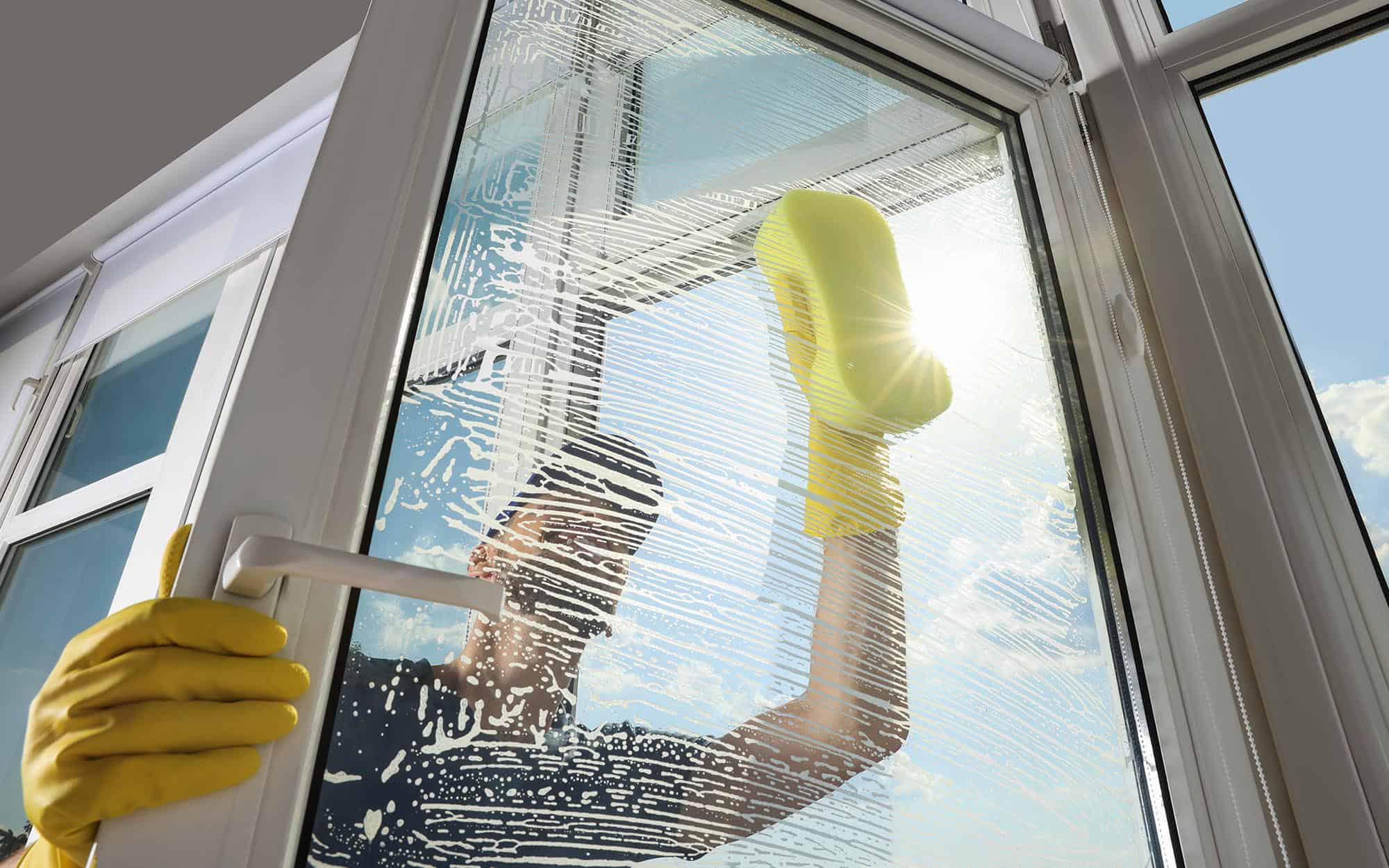
Introduction: The Importance of Window Cleaning
Maintaining clean windows is one of the most important yet often overlooked aspects of property upkeep. Windows are not just portals for natural light; they serve as the first impression of any building, whether residential or commercial. Over time, dust, pollen, pollution, smudges, and hard water deposits accumulate, making windows appear dull and unhygienic. Dirty windows can negatively affect indoor air quality, especially when allergens and dust settle on sills and frames, potentially impacting the health of the occupants. Beyond the aesthetic factor, regular window cleaning protects the structural integrity of the glass and the frames. Grime, dirt, and mineral deposits left untreated can lead to scratches, etching, and long-term damage that may require costly repairs or replacements. For businesses, clean windows are an essential component of professionalism and brand image, influencing how clients, visitors, and employees perceive the space. In homes, sparkling windows improve the mood and well-being of residents, enhance natural light, and make living areas more welcoming. Understanding the importance of window cleaning as an ongoing maintenance task, rather than a one-time chore, allows property owners to appreciate the numerous benefits that proper care provides, including enhanced appearance, safety, longevity, and even energy efficiency.
Professional Techniques for Window Cleaning
Window cleaning, while seemingly simple, is a process that requires proper technique and experience to achieve a streak-free finish. Professional window cleaners employ multiple methods tailored to the type of window, the height and accessibility, and the extent of dirt accumulation. One of the most common approaches is the traditional squeegee method, which involves applying a cleaning solution evenly to the glass surface and then using a squeegee in a systematic top-to-bottom motion to remove the liquid along with dirt and debris. The key to success with this method lies in controlling the pressure, angle, and speed, as well as wiping the blade after each stroke to avoid leaving streaks. For windows that are hard to reach, especially those located several stories above the ground, water-fed pole systems are often employed. These poles extend several meters, allowing the window cleaner to safely wash the glass from the ground using deionized water that leaves no residue, thereby eliminating the need for chemical cleaners and minimizing spotting. Microfiber cloths are another essential tool for professional window cleaning, used to polish the glass and frames after washing. Their unique texture traps water and dust particles, leaving a clear, streak-free finish. In cases where stubborn dirt, paint splashes, or adhesive residues are present, scrapers and specialized brushes are applied with precision to avoid scratching or damaging the surface. Professional window cleaning also involves attention to every component of the window, including the sills, tracks, and frames, since dirt and grime in these areas can reduce the overall quality and durability of the installation.
Essential Tools for Effective Window Cleaning
Proper tools are critical for high-quality window cleaning. Professionals rely on a combination of equipment designed for efficiency, safety, and streak-free results. High-quality squeegees with replaceable rubber blades are essential for achieving streak-free glass, while scrapers allow technicians to remove hardened debris without damaging the window. Microfiber cloths provide a gentle polishing option, while water-fed poles offer reach for multi-story structures, ensuring safety without sacrificing quality. Safety equipment, such as harnesses and ladders, is crucial, especially when cleaning elevated windows or commercial facades. Using the right tools significantly reduces the risk of accidents and ensures thorough cleaning across all surfaces. The combination of proper techniques and specialized tools results in windows that not only look clean but are preserved from long-term damage.
Step-by-Step Maintenance Tips for Spotless Windows
Maintaining spotless windows requires more than periodic professional cleaning. There are several steps that property owners can take to extend the clarity and longevity of their windows. Regular dusting and wiping of window frames and sills prevent buildup that could otherwise lead to stains or mold growth. Gentle cleaning solutions should be used to avoid damage to coatings or glass surfaces. Addressing hard water stains as soon as they appear prevents permanent etching on the glass, and periodic inspections of windows can identify cracks, leaks, or other minor issues before they escalate into costly repairs. Scheduling professional window cleaning at least twice a year ensures that all these maintenance measures are reinforced by thorough, expert cleaning. Consistent upkeep combined with professional service guarantees that windows remain clear, functional, and visually appealing throughout the year.
Key Benefits of Regular Window Cleaning
Regular window cleaning provides numerous advantages beyond the obvious visual improvement. Spotless windows allow maximum natural light to enter the property, creating a brighter, more inviting space and reducing reliance on artificial lighting, which in turn contributes to energy efficiency. Clean windows also prevent the accumulation of harmful debris, dust, and pollen, resulting in healthier indoor air quality. Maintaining windows in pristine condition prolongs their lifespan by preventing scratches, corrosion, and frame damage, which reduces the need for expensive replacements. Safety is another important advantage, as professional window cleaning eliminates the hazards associated with trying to clean high or difficult-to-reach windows yourself. For commercial properties, clean windows are vital for maintaining a positive reputation, while for residential buildings, they enhance curb appeal and overall living comfort. The cumulative effect of regular window cleaning is a combination of health, safety, efficiency, and aesthetic benefits that significantly improve the value and quality of the property.
Window Cleaning for Homes vs. Commercial Buildings
Residential and commercial window cleaning share the same goal of achieving clear, streak-free glass, but the methods and considerations differ. In homes, window cleaning typically focuses on enhancing the living environment and ensuring that all glass surfaces are free from smudges, dirt, and allergens. Standard tools such as squeegees, microfiber cloths, and ladders are generally sufficient for single- or double-story buildings. In contrast, commercial window cleaning often involves larger surfaces, multiple floors, and challenging access points, requiring advanced tools such as water-fed poles, safety harnesses, and industrial-grade cleaning solutions. The frequency of cleaning, the skill level of technicians, and safety measures are all heightened for commercial properties due to the scale and visibility of the project. Understanding these differences helps property owners select the most appropriate service and cleaning schedule for their specific needs.
Choosing the Right Window Cleaning Service
Selecting a professional window cleaning service is essential for achieving optimal results. Factors to consider include the company’s experience, equipment quality, reputation, insurance coverage, and adherence to environmentally friendly practices. An experienced team ensures that techniques are applied correctly and efficiently, while proper tools guarantee streak-free cleaning even on hard-to-reach surfaces. Checking reviews and references provides insight into the service’s reliability and quality, and confirming insurance protects property owners from liability in case of accidents or damage. Eco-conscious companies often use biodegradable cleaning solutions and water-efficient systems, which reduces environmental impact while maintaining high cleaning standards. Hiring a reputable service ensures that your investment in window cleaning yields long-term benefits and maintains the beauty, health, and safety of your property.
Environmental and Safety Considerations in Window Cleaning
Modern window cleaning also emphasizes environmental responsibility and safety. Many professional services utilize eco-friendly cleaning solutions that are biodegradable and free of harsh chemicals, reducing the environmental footprint. Water conservation techniques, such as water-fed pole systems, minimize waste and eliminate the need for excessive chemical use. Safety is another priority, particularly for elevated or commercial windows. Trained technicians employ harnesses, ladders, and other protective equipment to prevent accidents while delivering high-quality results. Choosing a service that balances environmental considerations with safety and effectiveness ensures that your windows are cleaned responsibly and sustainably.
Conclusion: Mastering Window Cleaning for Long-Lasting Results
Window cleaning is a critical element of property maintenance that offers a multitude of benefits ranging from improved appearance to health, safety, energy efficiency, and structural preservation. Professional window cleaning combines specialized techniques, advanced tools, and step-by-step maintenance strategies to achieve streak-free, spotless results that are difficult to replicate through casual or DIY efforts. By investing in professional services and maintaining a regular cleaning schedule, property owners can maximize the lifespan of their windows, protect their investment, and enjoy consistently clear, bright, and welcoming spaces. Spotless windows are not merely a matter of aesthetics—they are a reflection of care, attention to detail, and commitment to quality in both homes and commercial buildings. Properly mastered window cleaning is the key to maintaining a safe, healthy, and visually appealing environment while ensuring long-term durability and satisfaction.