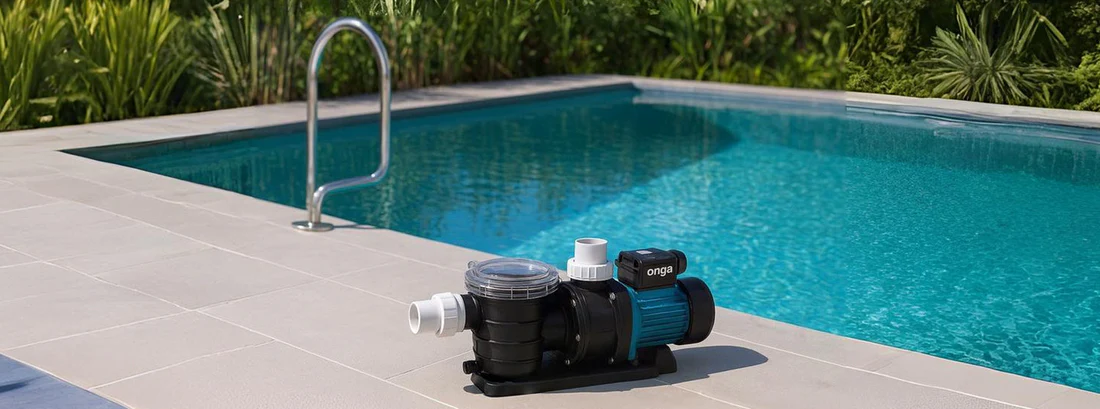
A swimming pool provides a space for recreation, relaxation, and social gatherings, but keeping it in optimal condition requires more than just filling it with water. One of the most important components of any pool system is its circulation system, and at the heart of that system are pool pumps. Pool pumps are responsible for moving water through filters, heaters, and chemical treatment systems, ensuring that the water remains clean, clear, and safe for swimmers. Without a properly functioning pump, even a well-maintained pool can quickly become cloudy, contaminated, or stagnant, which can lead to both aesthetic and health concerns. Understanding the types, functions, and maintenance of pool pumps is essential for anyone who wants to maintain a high-quality swimming pool that delivers both safety and efficiency.
The Role of Pool Pumps in Swimming Pool Systems
Pool pumps are the driving force behind water circulation, which is critical for maintaining water clarity, chemical balance, and overall hygiene. They operate by drawing water from the pool through the skimmer and main drain, pushing it through the filter to remove dirt and debris, and then returning clean water to the pool. This continuous circulation process ensures that chemicals are evenly distributed, contaminants are removed, and the water remains clear and safe for swimming. A pool without a properly functioning pump can experience uneven chemical levels, accumulation of debris, and growth of harmful bacteria or algae. The pump also supports other pool equipment such as heaters, chlorinators, and automated cleaning systems, making it a fundamental part of the pool ecosystem. Recognizing the importance of pool pumps emphasizes why selecting the right type and maintaining it properly is crucial to keeping a pool safe and enjoyable.
Types of Pool Pumps and Their Applications
There are several types of pool pumps, each designed to provide different levels of efficiency, flexibility, and energy savings. The most common types include single-speed, dual-speed, and variable-speed pumps. Single-speed pumps operate at a constant speed and provide full water flow at all times, but they are generally less energy-efficient and can lead to higher electricity costs. Dual-speed pumps provide two operating speeds: a high-speed setting for tasks such as pool vacuuming or heating, and a low-speed setting for routine circulation, making them more energy-efficient and versatile than single-speed models. Variable-speed pumps are the most advanced and allow precise control over water flow, offering significant energy savings and the ability to optimize circulation for specific needs. These pumps are often recommended for larger pools or pools with complex features because they provide consistent performance while minimizing operational costs. Choosing the appropriate type of pool pump depends on pool size, circulation requirements, desired energy efficiency, and the level of automation integrated into the pool system.
Factors to Consider When Selecting Pool Pumps
Selecting a pool pump requires careful consideration of multiple factors to ensure efficient operation and long-term reliability. One of the most important considerations is pool size and volume, as the pump must be capable of circulating the entire pool within a recommended turnover time, typically between eight to twelve hours per day. Another factor is flow rate and turnover capacity, which determines how effectively the pump can move water through the filtration system and maintain water quality. Energy efficiency is a key concern for many pool owners, especially given the cost of running a pump for extended periods; energy-efficient pumps, particularly variable-speed models, offer significant savings without sacrificing performance. Compatibility with other pool equipment, including filters, heaters, and automation systems, must also be considered to ensure seamless integration. Additionally, noise levels can impact the overall pool experience, so homeowners may prioritize pumps designed for quiet operation. Taking all these factors into account ensures that the selected pump meets the pool’s specific needs while minimizing energy consumption and reducing the likelihood of premature wear or equipment failure.
Proper Installation and Its Impact on Performance
Even the best-designed pool pump will not perform efficiently if it is installed incorrectly. Proper installation is critical for ensuring consistent water flow, minimizing mechanical stress, and preventing leaks or other issues. The pump should be positioned close to the pool to reduce friction loss and connected securely to the plumbing system to avoid air leaks, which can cause the pump to lose prime. It is also important to install the pump on a stable, level surface to minimize vibrations and noise, and to follow manufacturer guidelines for electrical connections, grounding, and safety. Professional installation is recommended for most pool setups, especially larger pools or those with advanced features such as automated water circulation and heating systems. A correctly installed pump operates more efficiently, prolongs the life of the pool system, and reduces the likelihood of costly repairs caused by improper alignment or inadequate flow.
Routine Maintenance for Optimal Pump Performance
Regular maintenance is essential for prolonging the life of pool pumps and ensuring efficient operation. Over time, debris can accumulate in the pump basket or skimmer, restricting water flow and reducing circulation efficiency. Cleaning the pump basket regularly and removing any obstructions ensures that water moves freely through the system. Inspecting seals and O-rings for wear is also important to prevent leaks and maintain proper pressure within the system. Monitoring water flow can help detect potential problems early, such as clogs in the filter, impeller damage, or air leaks in the plumbing. Lubricating moving parts as recommended by the manufacturer reduces friction and mechanical wear. Seasonal maintenance, such as winterizing the pump in colder climates, helps prevent freezing damage and protects internal components from corrosion. By adhering to a consistent maintenance schedule, homeowners can ensure their pool pump continues to operate at peak efficiency for years to come.
Common Issues and Troubleshooting Techniques
Despite regular maintenance, pool pumps may encounter problems that require troubleshooting. One common issue is loss of prime, which occurs when the pump fails to draw water, often caused by air leaks in the suction line, low water levels, or blockages. Noisy operation is another frequent concern and may indicate worn bearings, debris in the impeller, or cavitation. Reduced water flow can result from clogged filters, impeller wear, or obstructions in the plumbing. Overheating is typically caused by restricted flow, continuous high-speed operation, or electrical issues. Promptly addressing these problems prevents further damage and ensures that the pump continues to provide reliable circulation. Understanding the signs of pump malfunction and knowing how to troubleshoot them is critical for maintaining a safe, clean, and efficient swimming pool.
Energy Efficiency and Environmental Considerations
Modern pool pumps are designed to maximize energy efficiency, reducing both operating costs and environmental impact. Variable-speed pumps, in particular, allow precise adjustment of flow rates to meet specific pool needs, significantly lowering electricity usage compared to single-speed models. Efficient pumps also reduce strain on the filtration system and other pool equipment, extending their lifespan and decreasing the frequency of replacements. Eco-friendly practices, such as running pumps during off-peak hours and using programmable schedules, further reduce energy consumption. By choosing energy-efficient pumps and following best maintenance practices, pool owners can minimize their carbon footprint while ensuring consistent water quality and circulation.
Integrating Pumps with Automated Pool Systems
Pool automation systems have become increasingly popular, allowing homeowners to control water circulation, chemical dosing, lighting, and other features with ease. Pool pumps play a central role in these systems, as proper circulation is essential for efficient operation. Integrating a pump with automated controls enables precise scheduling, energy optimization, and consistent water treatment. Automation reduces the need for manual intervention, ensuring that the pool remains clean, safe, and enjoyable at all times. Homeowners benefit from improved water quality, lower energy costs, and reduced maintenance effort, making automated pump integration a valuable enhancement for modern pools.
Long-Term Benefits of High-Quality Pool Pumps
Investing in a high-quality pool pump provides numerous long-term benefits. Reliable pumps reduce maintenance requirements, improve water clarity, enhance energy efficiency, and ensure that the pool remains safe and enjoyable for swimmers. Cutting corners on pump quality or neglecting maintenance can lead to frequent breakdowns, higher operational costs, and compromised water quality. Selecting a durable, efficient pump and adhering to a regular maintenance routine safeguards the investment, providing consistent performance for years. High-quality pumps also contribute to the overall longevity of the pool system, reducing the need for frequent replacements or costly repairs and maximizing the enjoyment and value of the swimming pool.
Final Thoughts
Pool pumps are an essential component of any swimming pool system, responsible for circulation, filtration, and maintaining clean, clear, and safe water. Choosing the right pump, installing it correctly, and following a consistent maintenance routine are critical for ensuring optimal performance, energy efficiency, and long-term reliability. Understanding the importance of pool pumps, recognizing potential issues, and implementing best practices allows homeowners to enjoy a high-quality swimming experience with minimal stress. By investing in durable equipment, adopting energy-efficient solutions, and maintaining proper care, pool owners can ensure that their swimming pool remains a healthy, enjoyable, and attractive feature of their property for many years to come. Proper attention to pool pumps not only safeguards the health of swimmers but also enhances the longevity and overall performance of the pool system, making it a central consideration for every pool owner.