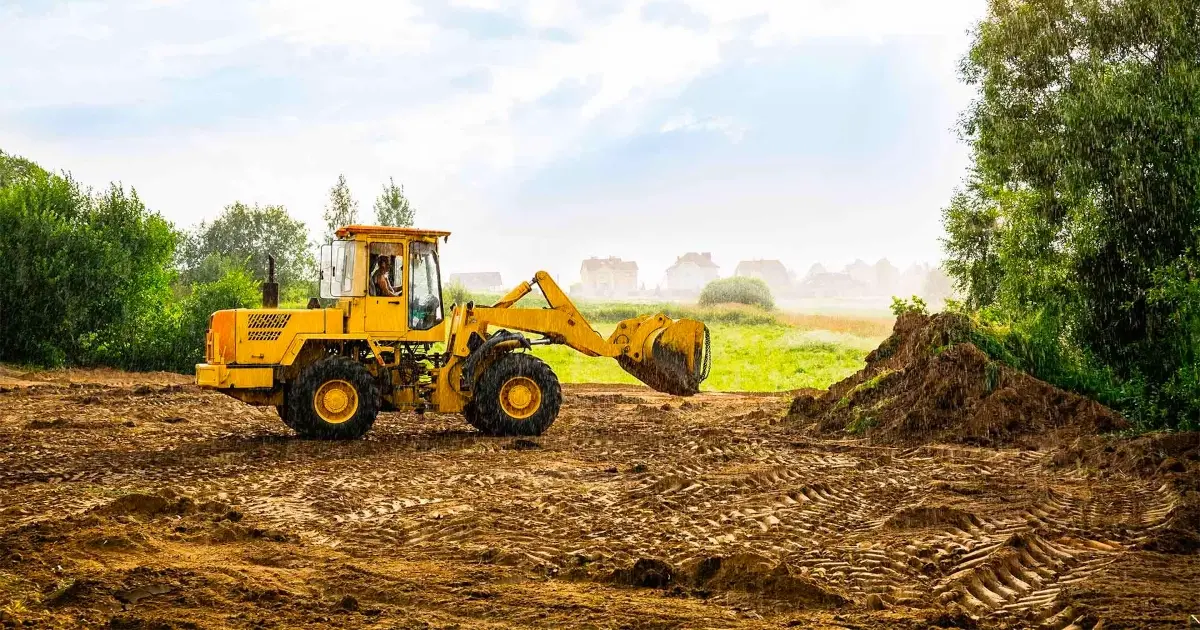
Land management is a critical component of maintaining ecological balance, supporting agricultural productivity, and facilitating infrastructure development. Among the techniques used to prepare, maintain, and optimize land for various purposes, land clearing stands out as a fundamental practice. This process involves the removal of trees, shrubs, stumps, rocks, and other vegetation to make land suitable for agriculture, construction, fire prevention, or restoration projects. Properly executed land clearing balances environmental responsibility with practical land use, ensuring that ecosystems are preserved while creating functional spaces for human activity. Modern land clearing methods incorporate sustainable practices and advanced machinery, enabling landowners, farmers, and land managers to manage vegetation efficiently, reduce environmental impact, and support long-term ecological health. Understanding the principles, techniques, applications, and challenges of land clearing is essential for anyone involved in land management, as it informs decisions that directly impact soil quality, biodiversity, and the resilience of ecosystems.
Understanding Land Clearing and Its Objectives
Land clearing is a multifaceted practice that involves more than simply removing vegetation. It is a strategic process designed to prepare land for specific uses while minimizing soil disturbance and ecological damage. Traditional methods of clearing, such as manual tree cutting, burning, or bulldozing, can often result in soil erosion, loss of topsoil, and disruption of local habitats. Modern approaches to land clearing, however, emphasize sustainable techniques that protect soil integrity, preserve native plants where possible, and maintain natural drainage systems. These methods often involve the use of specialized machinery, such as mulchers, excavators, and brush cutters, which allow operators to remove or process vegetation efficiently and return organic matter to the soil, promoting fertility and supporting future plant growth.
The primary objectives of land clearing vary depending on the intended land use. For agricultural purposes, land clearing creates arable fields free of obstacles, allowing for mechanized farming and optimized crop production. In construction and infrastructure development, land clearing ensures a level and stable site, reducing the risk of foundation issues and facilitating project efficiency. Land clearing is also critical for environmental management, particularly in fire-prone areas, where overgrown vegetation can serve as fuel for wildfires. In such cases, clearing reduces fire risk while maintaining ecological balance, allowing native species to regenerate in controlled areas.
Environmental Considerations in Land Clearing
While land clearing is often necessary for practical land use, it must be carried out with careful consideration of environmental impacts. Removing trees and vegetation can lead to soil erosion, loss of biodiversity, and disruption of water cycles if not managed properly. To mitigate these effects, sustainable land clearing practices focus on selective removal, preserving key vegetation, and minimizing disturbance to soil and wildlife habitats. Mulching, for instance, is a technique that converts cleared vegetation into organic material that enriches the soil, improves moisture retention, and reduces erosion. This approach aligns with environmentally responsible land management, ensuring that cleared areas remain productive and resilient over time.
Moreover, land clearing practices must account for the long-term health of surrounding ecosystems. Clearing land near water bodies, wetlands, or sensitive habitats requires additional planning to prevent runoff, sedimentation, and habitat degradation. Integrating ecological assessments into the planning phase allows land managers to make informed decisions about which areas can be cleared safely and which areas require protection or restoration. By incorporating these environmental considerations, land clearing can achieve its intended goals without compromising the ecological integrity of the land.
Techniques and Machinery Used in Land Clearing
Modern land clearing relies on a combination of manual, mechanical, and chemical techniques, each suited to specific conditions and vegetation types. Manual clearing involves cutting trees, shrubs, and brush using hand tools such as chainsaws, axes, and machetes. While labor-intensive, this method allows for precise control and is ideal for small-scale projects or areas with sensitive ecosystems. Mechanical clearing, on the other hand, employs heavy machinery such as bulldozers, excavators, skid steers, and forestry mulchers. These machines can efficiently remove large volumes of vegetation, process trees into mulch, and prepare land for further use. Mechanical land clearing is particularly effective for large tracts of land, uneven terrain, or areas with dense vegetation.
In addition to manual and mechanical methods, chemical techniques such as herbicide application may be used to control unwanted vegetation. This approach can prevent regrowth and facilitate ongoing maintenance of cleared areas. However, chemical methods must be applied responsibly to avoid contaminating soil, water, or non-target plant species. Integrated land clearing strategies often combine multiple techniques, optimizing efficiency while minimizing environmental impact. The choice of method depends on factors such as vegetation density, soil type, topography, intended land use, and sustainability goals.
Applications of Land Clearing in Land Management
The applications of land clearing are diverse and extend across agriculture, forestry, infrastructure, fire prevention, and environmental restoration. In agriculture, clearing land allows for crop cultivation, pasture development, and irrigation system installation. Efficient land clearing increases productivity by creating uniform plots and reducing obstacles that impede machinery or planting activities. In forestry management, selective land clearing supports reforestation, timber harvesting, and forest health by removing invasive species and thinning overcrowded areas.
Infrastructure development also relies heavily on land clearing to prepare sites for roads, buildings, and utility installations. Properly cleared land ensures a stable foundation and facilitates project logistics. Additionally, land clearing is critical for fire management, particularly in areas where overgrown vegetation can contribute to severe wildfires. By strategically clearing fuel loads, land managers can create defensible spaces, reduce fire intensity, and protect communities. Environmental restoration projects also benefit from land clearing, as it can remove invasive plant species, promote the regeneration of native vegetation, and restore ecological balance in degraded landscapes.
Economic and Efficiency Benefits
In addition to environmental and practical advantages, land clearing offers significant economic benefits. Traditional methods of vegetation removal can be labor-intensive, time-consuming, and costly due to the need for multiple pieces of equipment and debris disposal. Modern land clearing techniques, particularly mechanical clearing and mulching, streamline the process, reducing labor requirements and operational costs. Machinery allows for faster completion of large-scale projects, increasing overall efficiency and productivity.
Moreover, land clearing contributes to long-term economic gains by creating productive land for agriculture, infrastructure, and commercial development. Cleared land can be immediately used for crop planting, livestock grazing, or construction, generating revenue and supporting local economies. Sustainable land clearing practices further enhance economic value by preserving soil fertility, reducing erosion, and minimizing ongoing maintenance costs. For landowners and managers, these efficiency and economic advantages make land clearing a practical and strategic investment in land management.
Challenges and Considerations in Land Clearing
Despite its benefits, land clearing presents several challenges that must be carefully managed. Improper clearing can lead to soil degradation, loss of biodiversity, and increased vulnerability to erosion and flooding. Over-clearing can also disrupt natural habitats, negatively impacting local wildlife populations and ecological balance. Additionally, heavy machinery used in clearing operations can compact soil, damage root systems of remaining vegetation, and increase sediment runoff if not used responsibly.
Another challenge is regulatory compliance. Land clearing is often subject to local and national environmental regulations that protect wetlands, endangered species, and critical habitats. Failure to adhere to these regulations can result in fines, legal complications, and ecological damage. To address these challenges, land managers must adopt strategic planning, conduct thorough environmental assessments, and implement best practices for sustainable land clearing. This includes preserving key vegetation, maintaining buffer zones, and using techniques that minimize soil disturbance and promote natural regeneration.
Best Practices for Effective Land Clearing
Effective land clearing requires careful planning, skilled execution, and adherence to best practices that balance productivity with ecological responsibility. Conducting a comprehensive site assessment is the first step, identifying vegetation types, soil conditions, topography, and sensitive ecological areas. This assessment informs decisions about the most suitable clearing methods, equipment, and scheduling. Selecting appropriate machinery and tools based on vegetation density, land slope, and project scale ensures efficiency and safety.
Implementing environmental safeguards is also critical. Techniques such as mulching, selective clearing, and maintaining buffer zones protect soil health, prevent erosion, and preserve habitats. Operators should follow safety protocols, wear protective gear, and ensure that machinery is operated by trained personnel to reduce the risk of accidents. Additionally, monitoring cleared areas post-project allows for timely maintenance, invasive species control, and ecological restoration efforts. By following these best practices, land clearing can achieve its intended objectives while minimizing environmental impact and supporting long-term land productivity.
The Future of Land Clearing
As demand for sustainable land management continues to grow, land clearing practices are evolving to incorporate technological advancements, environmental considerations, and integrated land use strategies. Machinery improvements, including GPS-guided equipment, precision mulchers, and remote monitoring systems, enhance efficiency, accuracy, and safety in land clearing operations. Increased awareness of ecological sustainability encourages landowners and managers to adopt practices that protect soil, water, and biodiversity while achieving operational objectives.
Land clearing is also becoming integrated with broader environmental and agricultural management strategies. Combining clearing with reforestation, soil restoration, erosion control, and habitat enhancement ensures that cleared areas remain productive and ecologically resilient. These holistic approaches position land clearing not just as a preparatory step but as a strategic tool for sustainable land stewardship, balancing human needs with environmental protection and long-term ecosystem health.
Conclusion
Land clearing is a vital practice in modern land management, offering a balance between productivity, environmental stewardship, and long-term sustainability. By removing unwanted vegetation and preparing land for agriculture, construction, fire prevention, or ecological restoration, land clearing enables practical land use while supporting ecosystem health. Through careful planning, responsible technique selection, and adherence to best practices, land clearing can be executed efficiently and sustainably, minimizing soil disturbance, preserving biodiversity, and promoting natural regeneration. As technology and sustainable practices continue to evolve, land clearing will remain an essential tool for landowners, farmers, and conservationists, providing both economic benefits and ecological resilience. By understanding and implementing land clearing responsibly, stakeholders can ensure that natural resources are preserved, land remains productive, and ecosystems continue to thrive for future generations.