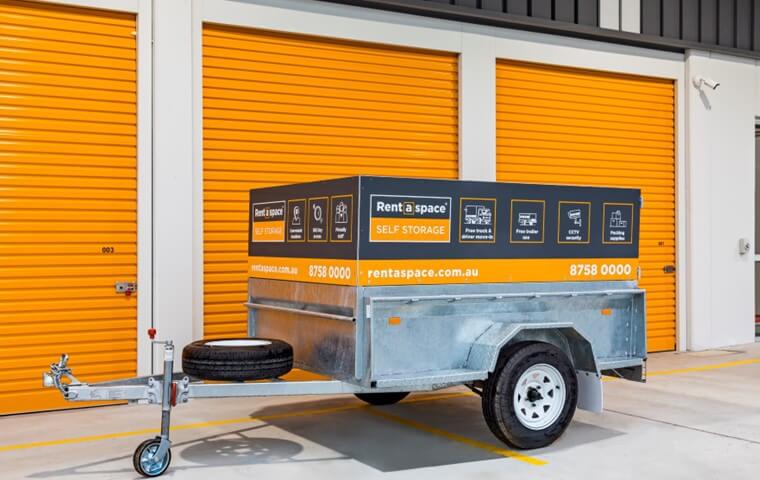
Managing transport and hauling projects efficiently has become increasingly important for both individuals and businesses. Traditional trailer ownership often requires a significant upfront investment, ongoing maintenance, and storage solutions, which can be costly and inconvenient, especially for temporary or occasional needs. This is where self service trailer rental offers a practical, flexible, and affordable solution. By allowing users to rent trailers on-demand without the responsibilities of ownership, self service trailer rental empowers property owners, contractors, and hobbyists to complete their tasks efficiently, safely, and cost-effectively. Understanding the advantages, types of trailers, operational tips, and safety considerations is essential for maximizing the benefits of this service.
The Growing Popularity of Self Service Trailer Rental
The demand for trailer rental services has increased steadily as projects and transportation needs become more varied and unpredictable. Whether moving furniture, transporting construction materials, hauling landscaping equipment, or relocating vehicles, individuals and businesses often require temporary access to specialized trailers. Owning a trailer for infrequent use is not financially practical, as it involves not only the initial purchase cost but also maintenance, storage, insurance, and depreciation. Self service trailer rental eliminates these burdens, offering a “rent-as-you-need” model that gives users access to trailers suited for a wide range of tasks. This flexibility has made self service rental increasingly popular across sectors, from small home renovation projects to large-scale commercial operations.
Key Advantages of Self Service Trailer Rental
The benefits of self service trailer rental are extensive, making it an attractive option for both occasional and frequent users. One of the most significant advantages is cost savings. Renting a trailer only when needed avoids the expenses associated with ownership while still providing access to high-quality, well-maintained equipment. Flexibility is another major benefit, as users can choose from a variety of trailer types and sizes based on the specific requirements of each project. This ensures that the trailer is suitable for the load, optimizing safety and efficiency. Additionally, self service trailer rental often allows for convenient scheduling and on-demand access, meaning users can pick up or drop off trailers at their convenience without waiting for full-service assistance. This level of independence provides control over operations, making projects more manageable and reducing downtime.
Types of Trailers Available for Self Service Rental
A wide range of trailer types is typically available through self service trailer rental services, catering to diverse hauling needs. Utility trailers are ideal for general purposes, such as moving household items, small equipment, or landscaping materials. They are lightweight, versatile, and easy to maneuver, making them a favorite for short-term projects. Enclosed trailers provide additional protection for sensitive or valuable cargo, shielding it from weather conditions and theft. They are especially useful for electronics, furniture, or tools that require extra security. Flatbed trailers are designed for heavier loads and oversized materials, such as construction equipment or bulk supplies. Car trailers and vehicle haulers allow safe transportation of automobiles, motorcycles, or recreational vehicles. Specialized trailers, such as livestock or boat trailers, may also be offered, giving users the ability to rent equipment tailored specifically to the type of load being transported. The variety ensures that self service trailer rental can meet virtually any transport requirement efficiently.
How to Choose the Right Trailer for Your Project
Selecting the correct trailer is a critical step for ensuring both efficiency and safety. The first consideration is size and load capacity. A trailer that is too small can result in overloading, which poses safety risks and potential damage, while a trailer that is too large may be difficult to handle and unnecessarily expensive. Users must also assess the type of cargo being transported. Fragile or valuable items may require an enclosed trailer for added protection, while bulky construction materials may require a flatbed or heavy-duty trailer. Rental duration is another factor, as most self service rental services offer flexible hourly, daily, or weekly rates, allowing users to choose the best option for the project timeline. Additionally, accessibility and transportation logistics, including vehicle compatibility, hitching requirements, and available parking or space for loading, should be carefully evaluated. Considering these factors ensures a safe and efficient hauling experience.
Cost Considerations in Self Service Trailer Rental
One of the key reasons people opt for self service trailer rental is the cost-effectiveness of the service. Unlike trailer ownership, rental fees are typically based on the size, type, and duration of use, eliminating the need for significant upfront investment. Some providers offer discounted rates for longer rentals or multiple trailers, which can be advantageous for larger projects. Additional costs may include insurance coverage, mileage limits, or fees for damage beyond normal wear and tear. Users should review rental agreements carefully to understand all potential expenses and avoid unexpected charges. Comparing pricing among different providers and considering the overall convenience and quality of service ensures that users achieve the best value while maintaining safety and efficiency.
Safety Tips for Using Self Service Trailer Rental
Safety is a crucial consideration when using a rental trailer. Proper hitching, weight distribution, and securing of loads are essential to prevent accidents and damage. Overloading a trailer can compromise braking and handling, creating hazardous conditions on the road. Users should also inspect tires, lights, and braking systems before departure to ensure the trailer is in safe operating condition. Many self service trailer rental companies provide instructional materials, safety guidelines, or online tutorials to educate users on proper handling, and taking advantage of these resources is highly recommended. Understanding local traffic regulations and requirements for towing trailers, including any necessary permits or licenses, is also essential for compliance and safe operation. Adhering to these best practices ensures that self service trailer rental can be utilized safely and effectively for any project.
Environmental and Operational Benefits
Using self service trailer rental contributes to more sustainable and efficient operations. Shared access to trailers reduces the need for individual ownership, minimizing the manufacturing and material resources required to produce trailers for infrequent use. Centralized rental facilities also allow for better maintenance and longer equipment lifespan, reducing waste and environmental impact. Operationally, rental trailers provide access to high-quality, well-maintained equipment that is ready for use, preventing project delays due to breakdowns or unsuitable equipment. By combining efficiency, reliability, and environmental benefits, self service trailer rental offers a practical alternative to personal ownership for both individuals and businesses.
Maintenance and Reliability in Self Service Rentals
One of the advantages of self service trailer rental is that the responsibility for ongoing maintenance lies with the rental provider. This ensures that trailers are regularly inspected, serviced, and repaired to maintain optimal performance and safety standards. Users should still conduct brief pre-use inspections to verify that the trailer is free from visible damage, properly inflated tires, and functional lighting systems. Prompt reporting of any issues or concerns to the rental company allows for quick resolution, ensuring that projects continue without interruption. The combination of professional maintenance and user diligence creates a reliable experience, enabling efficient, worry-free transport of cargo for both residential and commercial applications.
Conclusion
Self service trailer rental is a flexible, cost-effective, and convenient solution for transporting goods, equipment, and materials for both personal and commercial needs. By providing access to a wide range of trailer types, flexible rental durations, and well-maintained equipment, self service trailer rental eliminates the financial and logistical burdens of trailer ownership. Selecting the appropriate trailer, adhering to safety guidelines, and planning for proper loading and transportation ensures that projects are completed efficiently and safely. Beyond convenience, self service trailer rental offers operational and environmental benefits, supporting sustainable resource use and efficient project management. Whether for home moves, construction projects, landscaping, or vehicle transport, self service trailer rental provides a practical solution that combines affordability, flexibility, and reliability, allowing users to meet their hauling needs with confidence and ease.