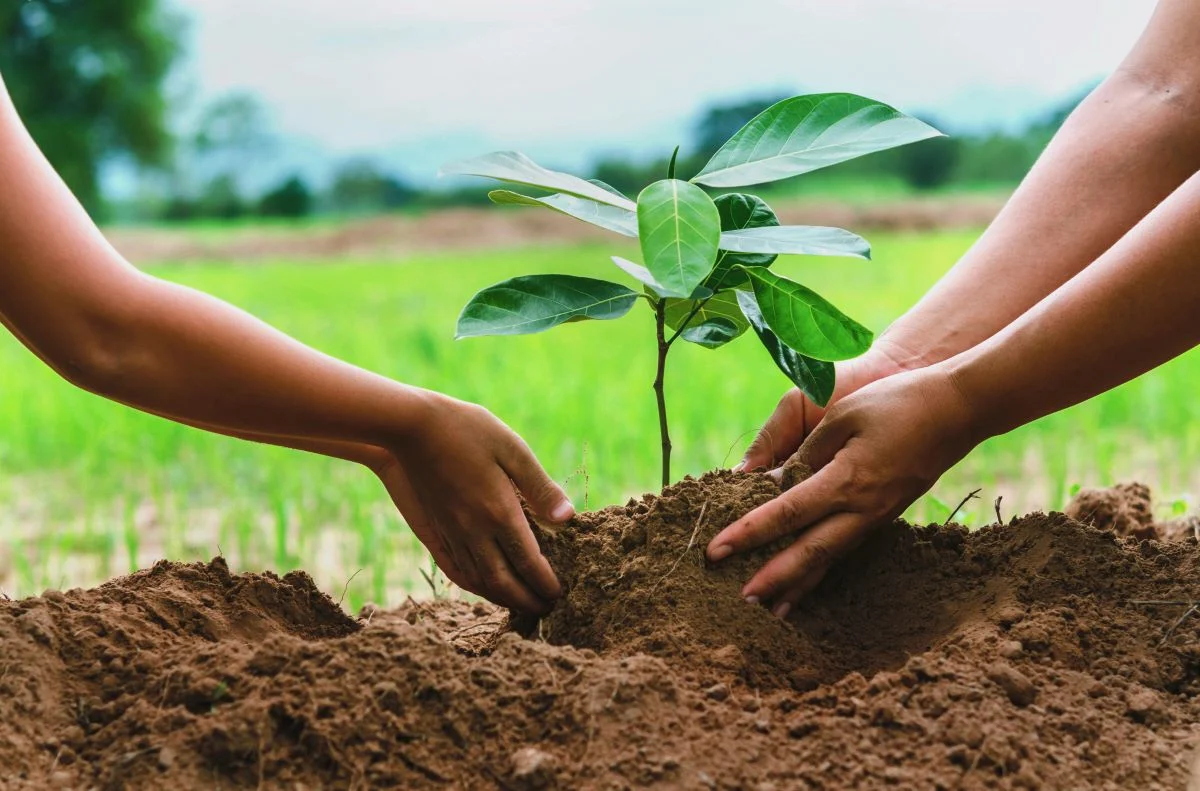
Creating vibrant, thriving spaces begins with the strategic use of plantings. Thoughtful plantings are more than decoration; they shape the atmosphere, promote ecological balance, and improve the wellbeing of those who inhabit the environment. Successful plantings depend on careful planning, from selecting species suited to specific light, soil, and water conditions to arranging plants in visually appealing ways. By integrating sustainable practices, plantings can flourish long-term while enhancing aesthetics, supporting biodiversity, and contributing to a healthier ecosystem.
This guide explores practical tips for designing, implementing, and maintaining plantings, ensuring that any indoor or outdoor space becomes vibrant, sustainable, and visually compelling. From ecological considerations to maintenance strategies, this approach allows plantings to thrive while delivering lasting benefits to people and the environment.
The Role of Plantings in Creating Vibrant Spaces
Plantings play a critical role in transforming ordinary spaces into vibrant, lively environments. They improve air quality by filtering pollutants, increase oxygen levels, and even reduce ambient noise in urban or high-traffic areas. Strategically placed plantings can soften architectural lines, create natural focal points, and enhance the overall mood of a space.
Psychological research shows that greenery has profound effects on wellbeing: it reduces stress, improves focus, and fosters a sense of calm. Indoor plantings, including potted plants and vertical gardens, and outdoor landscapes with shrubs, flowering plants, and trees, all contribute to a dynamic, layered appearance that changes beautifully with the seasons.
Planning and Designing Plantings for Maximum Impact
Effective plantings begin with thoughtful planning and design. Understanding the environmental conditions of a space such as soil type, sunlight exposure, and water availability is essential. Selecting plants that thrive under these conditions ensures longevity and reduces maintenance.
Design also matters. Combining plantings of different heights, textures, and colors adds depth and visual interest. Grouping plants with similar care requirements simplifies maintenance and ensures uniform growth. Landscape sketches, digital models, or 3D visualizations can help predict seasonal changes and achieve a harmonious arrangement that remains appealing year-round.
Promoting Biodiversity and Sustainability Through Plantings
Plantings are a powerful tool for fostering biodiversity. A variety of plant species creates habitats for birds, insects, and small wildlife, supporting a healthy ecosystem. Pollinators such as bees and butterflies benefit from diverse plantings, which in turn help sustain plant reproduction and food production.
Using native species alongside ornamental plants maximizes ecological benefits. Native plants require less water and care, while providing critical habitats for local wildlife. By incorporating sustainable techniques like water-retentive soil, mulch, and drought-resistant species plantings contribute to long-term environmental health while beautifying spaces.
Maintenance Tips for Thriving Plantings
Proper maintenance is key to ensuring plantings remain healthy and vibrant. Regular watering, pruning, fertilizing, and pest management are necessary, but the approach varies depending on species, climate, and soil conditions.
Sustainable practices, including organic fertilization, mulching, and efficient irrigation systems, reduce environmental impact while supporting growth. Monitoring plant health is essential; early detection of disease or nutrient deficiencies prevents serious damage. Modern tools, like soil sensors and automated watering systems, make managing plantings easier, ensuring they flourish over time.
Indoor Plantings: Bringing Nature Inside
Indoor plantings are an effective way to create vibrant, healthy spaces. They filter indoor air pollutants, reduce stress, and improve focus and productivity. Thoughtfully designed indoor plantings such as potted plants, terrariums, or vertical gardens also enhance interior aesthetics, adding color, texture, and life to otherwise sterile environments.
Space planning, light exposure, and care requirements are crucial for indoor plantings. Choosing plants suited to indoor conditions ensures longevity and reduces maintenance. Indoor plantings bridge the gap between nature and modern living, enriching homes, offices, and public spaces alike.
Community Engagement and Educational Value
Plantings also serve as educational and community-building tools. Schools, community centers, and urban spaces can use plantings to teach about biology, ecology, and sustainability. Hands-on interaction with plantings helps people understand growth cycles, environmental balance, and the importance of conservation.
Community gardens or public green areas strengthen social connections, encourage participation, and instill pride in shared spaces. By engaging with plantings directly, individuals learn practical skills and develop a deeper appreciation for their environment, creating spaces that are vibrant, sustainable, and community-oriented.
Technology and Innovation in Plantings
Modern technology enhances the efficiency and sustainability of plantings. Smart irrigation systems, soil sensors, and AI-powered monitoring allow precise control over watering, nutrient delivery, and environmental conditions. These tools minimize waste and ensure plantings remain healthy with less effort.
Technology also improves public interaction with plantings. Mobile apps, augmented reality, and educational platforms provide information on plant species, growth patterns, and ecological roles. Integrating technology ensures plantings are not only sustainable but also engaging and educational.
Conclusion
Creating vibrant spaces through plantings is a practical and effective way to enhance both aesthetic appeal and ecological balance. Thoughtful plantings improve air quality, support biodiversity, reduce stress, and foster a sense of wellbeing. By combining careful planning, sustainable design, and proper maintenance, plantings can thrive in any environment, delivering lasting benefits to people and ecosystems alike.
Whether for indoor or outdoor spaces, plantings transform ordinary areas into dynamic, engaging, and resilient environments. They connect individuals with nature, promote sustainable practices, and enrich communities. By implementing the strategies outlined in this guide, anyone can create vibrant spaces that are visually striking, environmentally responsible, and profoundly beneficial for long-term sustainability.