Managing waste efficiently is a crucial aspect of any project, whether it involves a home renovation, large-scale construction, or community cleanup initiative. The accumulation of debris can pose safety hazards, disrupt workflows, and create environmental concerns, which is why many individuals and organizations turn to dumpster rentals as a reliable solution. By providing large, secure containers for temporary waste collection, dumpster rentals simplify the process of disposal, reduce the need for multiple trips to landfills or recycling facilities, and ensure that projects remain organized and compliant with waste management regulations. Understanding the different types of dumpsters, the benefits of renting them, and best practices for their use allows clients to make informed decisions that improve efficiency, reduce costs, and support sustainable practices.
A dumpster rental is a service in which companies provide large containers for temporary use to collect waste generated during projects or cleanouts. These containers vary in size and type to accommodate different kinds of debris, from household trash and renovation debris to construction waste and bulky items. By offering a centralized location for all waste, dumpster rentals eliminate the challenges of scattered debris, facilitate safer working conditions, and allow for the proper segregation of recyclable and non-recyclable materials. Many rental services also offer flexible terms, including short-term rentals for a few days and extended rentals for projects that span several weeks, ensuring that clients can manage their waste effectively without interruptions or delays.
Types of Dumpster Rentals and Their Applications
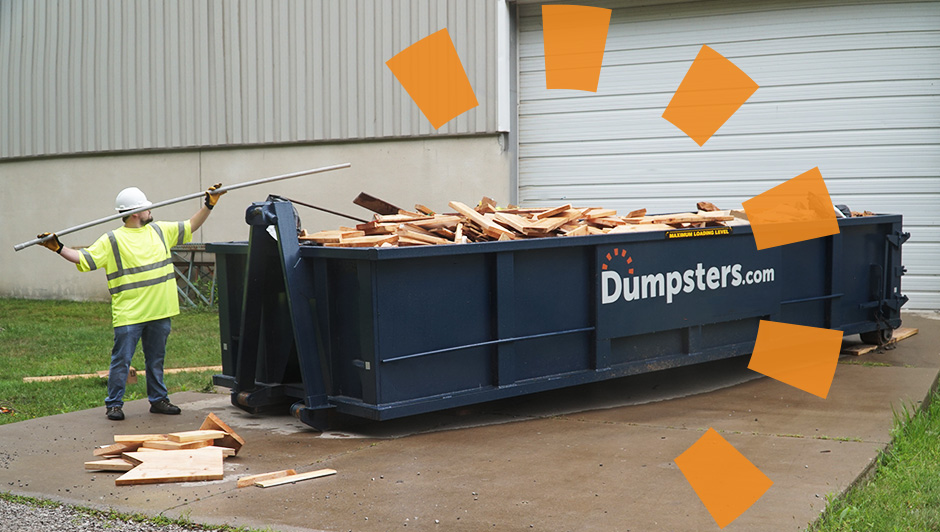
When considering dumpster rentals, it is important to understand the different types of containers available and their specific applications. Roll-off dumpsters are among the most commonly used and are ideal for large projects that generate significant amounts of debris, such as construction, renovation, or major home cleanouts. These dumpsters are typically open-top, allowing for easy disposal of bulky materials such as wood, drywall, and concrete. Front-load dumpsters, on the other hand, are smaller containers often utilized by commercial establishments such as offices, restaurants, and retail stores. They are designed for routine waste collection and are emptied by specialized trucks, making them suitable for ongoing daily or weekly waste management. Recycling dumpsters are also available for projects that involve materials that can be repurposed, including cardboard, metals, plastics, and certain types of glass. Specialty dumpsters, such as those designed for hazardous materials, electronics, or yard waste, provide safe handling of specific debris types and ensure compliance with regulatory requirements.
Understanding the right type of dumpster for a project is essential to ensure that waste is managed efficiently and that the container is not overfilled, which could lead to additional fees or safety hazards. Rental companies typically provide guidance to help clients select the appropriate container based on the size of the project, the type of waste being disposed of, and the anticipated volume of debris. By choosing the right dumpster, clients can optimize their workflow, prevent disruptions, and maintain a clean, organized environment.
Benefits of Using Dumpster Rentals
The use of dumpster rentals provides numerous advantages that extend beyond convenience. Efficiency is one of the most significant benefits, as having a centralized container for waste collection allows debris to be disposed of promptly without repeated trips to disposal facilities. This centralized approach keeps work areas organized and ensures that the project progresses smoothly. Safety is another critical consideration; construction sites, renovations, and major cleanouts often involve heavy, sharp, or hazardous materials, and a dumpster provides a secure location to contain debris, reducing the risk of injury to workers or residents. Environmental responsibility is also a key advantage, as many dumpster rental companies offer recycling programs and proper waste disposal methods, ensuring that materials are repurposed when possible and minimizing the environmental impact of the project. Cost-effectiveness is an additional benefit, as renting a dumpster can save money by consolidating waste disposal into a single service, eliminating the need for multiple trips and reducing labor and vehicle costs. Flexibility is another important aspect, as rental services allow clients to adjust the container size, type, and rental duration to suit the specific needs of each project.
How to Choose the Right Dumpster Rental Service
Selecting the right dumpster rental service is essential to ensure reliability, efficiency, and compliance with regulations. Clients should evaluate the reputation of the company, check customer reviews, and verify that the provider offers timely delivery and pickup. Understanding the pricing structure is also crucial, as rental costs may be based on container size, weight limits, rental duration, or the type of waste being disposed of. Ensuring that the service provides the necessary container types, such as recycling or specialty dumpsters, allows clients to handle all project waste effectively. Compliance with local regulations, particularly for hazardous materials or construction debris, is a critical factor, as improper disposal can result in fines or environmental penalties. Assessing the responsiveness of customer support and the company’s ability to accommodate changes in project timelines or waste volumes further ensures that the selected service meets the client’s needs without complications.
Common Applications of Dumpster Rentals
Dumpster rentals are versatile solutions that can be used in a variety of scenarios, making them indispensable for both residential and commercial projects. Home renovation projects often generate large volumes of debris, including drywall, flooring, cabinets, and furniture, which can be efficiently collected using a rented dumpster. Construction sites benefit from dumpsters to manage materials such as wood, concrete, metal, and roofing debris, keeping the site organized and safe. Landscaping and yard cleanup projects frequently produce bulky waste, including branches, soil, and grass clippings, which can be contained in dumpsters to prevent repeated trips to disposal facilities. Community cleanup initiatives are also supported by dumpster rentals, providing centralized waste collection points for volunteers and ensuring that neighborhoods remain clean and safe. Additionally, commercial operations such as offices, retail stores, and restaurants can use dumpster rentals for regular waste disposal, streamlining operations and maintaining a professional environment.
Best Practices for Maximizing the Benefits of Dumpster Rentals
To fully benefit from dumpster rentals, clients should follow several best practices. Accurate planning is critical, including estimating the volume of waste to determine the appropriate dumpster size. Sorting materials into recyclables, general trash, and hazardous debris helps ensure responsible disposal and may reduce costs. Observing weight and volume limits specified by the rental company prevents additional fees and ensures compliance with safety guidelines. Strategically positioning the dumpster in an accessible location facilitates efficient delivery and pickup, while maintaining safety and workflow efficiency on the site. Clients should also familiarize themselves with prohibited items, such as chemicals or certain electronics, which require specialized disposal methods to prevent contamination or violations. Following these practices ensures a smooth experience, maximizes the value of the rental, and promotes safe and environmentally responsible waste management.
Environmental Responsibility Through Dumpster Rentals
The proper use of dumpster rentals supports environmental responsibility by promoting recycling, reducing landfill usage, and ensuring the safe handling of hazardous materials. By separating materials that can be repurposed, such as metal, paper, and plastics, dumpster rental services contribute to sustainability and reduce the ecological footprint of projects. Recycling initiatives associated with dumpster rentals encourage the reuse of materials, support the circular economy, and decrease the amount of waste sent to landfills. Responsible disposal of hazardous materials, such as electronics or chemicals, prevents environmental contamination and ensures compliance with regulations. Clients who utilize dumpster rentals demonstrate a commitment to sustainable practices while effectively managing their project debris in a safe, organized, and efficient manner.
Conclusion: Why Dumpster Rentals Are Essential for Efficient Waste Management
In conclusion, dumpster rentals provide an indispensable solution for managing waste in residential, commercial, and public projects. By offering large, secure containers, scheduled pickups, and specialized disposal options, they simplify waste management, enhance safety, and promote environmental sustainability. Understanding the types of dumpsters available, selecting the right rental service, and adhering to best practices ensures that projects remain organized, efficient, and compliant