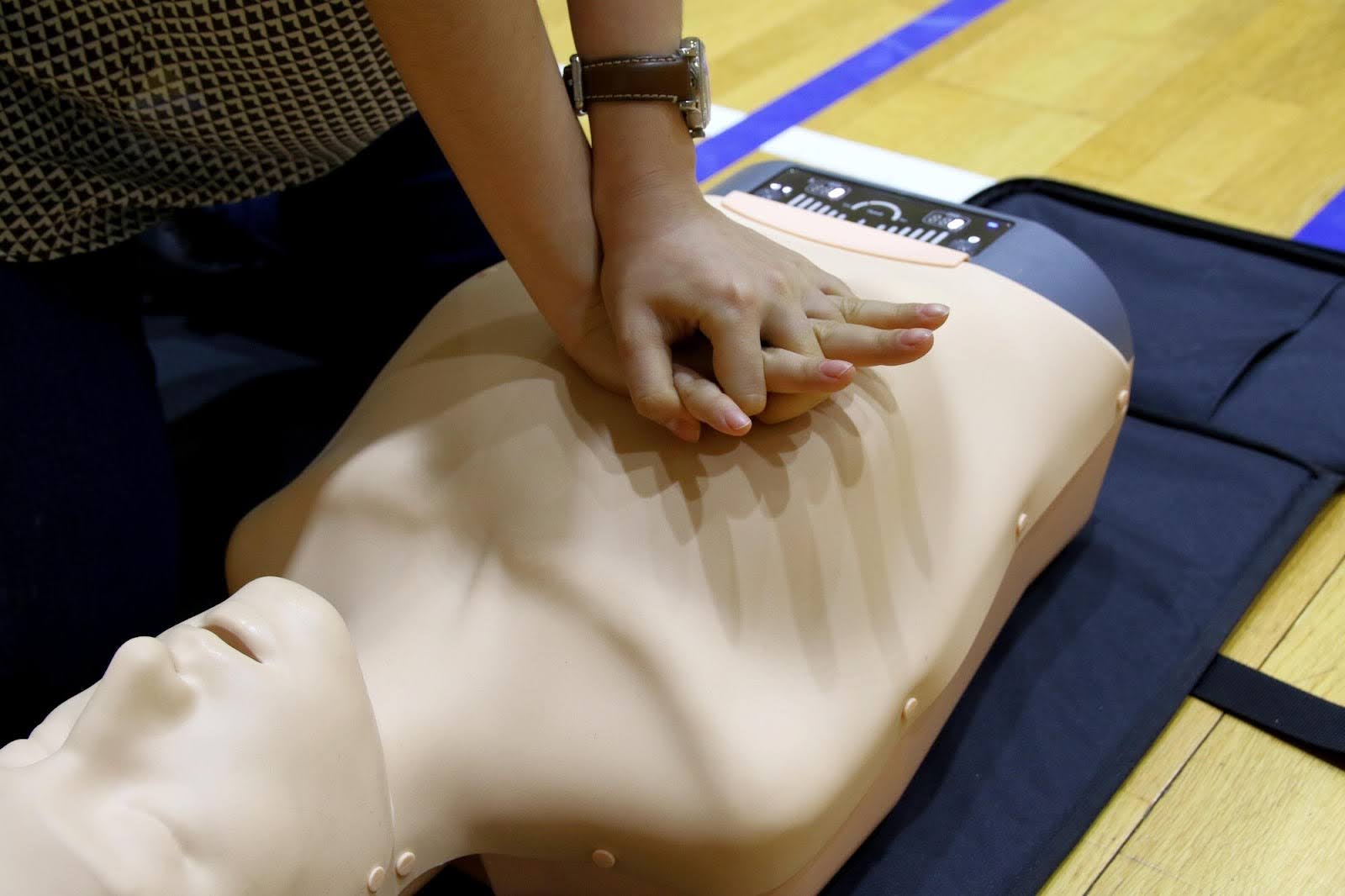
Life support skills are becoming essential in many professional fields. Employers expect workers to respond effectively in emergencies. Knowing how to act in critical situations can save lives and reduce risks.
Advanced life support skills give employees confidence and competence. These skills also improve teamwork in high-pressure settings. Training in life support enhances career opportunities.
Explore how mastering life support skills can set you apart and prepare you for roles that demand readiness. Read on to see why these skills are now the career standard.
Immediate Response Saves Lives
Advanced life support skills train individuals to respond quickly in emergencies. Immediate action can prevent complications and save lives. Employees with these skills can stabilize patients until help arrives.
They learn to recognize life-threatening conditions early. Proper training reduces panic and hesitation during crises. Being prepared enhances workplace safety and protects coworkers.
These skills are useful in both professional and everyday situations. Understanding the value of quick response is key to maintaining safety standards.
Confidence Under Pressure
Having advanced life support skills builds confidence. Trained professionals remain calm during medical emergencies. Confidence improves decision-making and efficiency.
People with these skills can guide others during critical moments. Knowing what to do reduces stress in tense situations. Confidence encourages leadership in emergencies.
Regular practice keeps skills sharp and reliable. This confidence benefits both personal and professional life.
Workplace Readiness
Employers now expect staff to have life support training. Being ready can prevent workplace accidents from escalating. Advanced skills ensure quick, proper action when emergencies occur.
Training covers a variety of situations, including cardiac arrest and choking. A prepared employee reduces liability for the company. Life support skills make teams safer and more dependable.
Employees who train regularly meet higher workplace standards. This readiness can also make a candidate more attractive to potential employers.
Professional Growth Opportunities
Life support skills open new career paths. Employers value trained staff for critical positions. These skills demonstrate responsibility and competence.
Advanced life support certification can lead to promotions and raises. Professionals who can handle emergencies are seen as assets. Training shows commitment to personal development.
It also enhances credibility in health and safety roles. For those looking to advance, these skills are increasingly required.
Keeping Skills Current
Life support skills require ongoing practice. Regular refreshers maintain competence and confidence. Training updates cover new techniques and protocols.
Staying current ensures effective responses in emergencies. Practicing skills prevents mistakes in real situations.
Skills can fade without reinforcement, so repetition matters. Continuous learning makes professionals reliable in crises. To get more information on how to keep skills updated, explore available resources.
Broader Life Applications
Life support skills are not only for work. They are valuable in homes, schools, and public spaces. Knowledge of CPR and emergency care can save family and community members.
These skills improve overall safety awareness. Practicing in different scenarios enhances adaptability. People with training are better prepared for unexpected events.
Life support knowledge encourages a proactive approach to safety. Being equipped to help others adds both confidence and responsibility.
Advanced Life Support Skills are the New Career Standard
Advanced life support skills are no longer optional. They define career readiness and professional value. Training improves confidence, workplace safety, and decision-making.
Skills stay relevant through continuous practice and updates. Beyond work, they enhance personal preparedness and the ability to help others.
Investing in these skills strengthens career growth and life readiness. Life support skills have become a new standard for anyone aiming to be competent and dependable in their field.