Understanding the Hidden Threat of Termites
Termites are among the most destructive pests that can affect residential properties. Unlike many other insects that are easily noticed, termites often work silently behind walls, beneath flooring, or inside wooden structures. Because they remain hidden for long periods, significant structural damage may occur before homeowners become aware of the problem.
These insects feed primarily on cellulose, a material found in wood and many construction materials used in homes. Over time, their feeding activity can weaken support beams, wall frames, and flooring systems. If left untreated, termite infestations may compromise the structural stability of the entire property.
This is why proactive termite control is essential. With guidance from Agile Pest Control, homeowners can identify early warning signs and implement prevention strategies that protect the long-term integrity of their homes.
How Termites Damage Residential Structures
Termites survive by consuming wood and other cellulose-based materials. When they enter a home, they begin feeding on structural components such as wooden framing, floor supports, and wall studs. Their colonies can grow rapidly, allowing thousands of termites to feed continuously within the structure.
Unlike surface-level damage caused by some pests, termite activity occurs deep inside wooden materials. This internal feeding weakens the structural strength of wood while leaving the outer surface relatively intact. As a result, damage may remain undetected until it becomes severe.
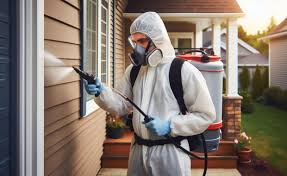
Professional termite control helps identify these hidden infestations before extensive damage develops.
Early Signs of Termite Activity
Detecting termite infestations early can significantly reduce repair costs and prevent major structural damage. However, homeowners must know what warning signs to watch for.
Some signs of termite presence include hollow-sounding wood, small piles of discarded wings, and visible mud tubes along walls or foundations. These mud tubes are built by termites to travel safely between their colony and food sources.
Agile Pest Control often performs detailed inspections to identify these indicators and determine whether termite control treatment is necessary.
Mud Tubes Along Foundations
Mud tubes are one of the most recognizable signs of termite activity. These narrow tunnels allow termites to travel while remaining protected from light and predators.
Mud tubes are commonly found along foundations, crawl spaces, or basement walls. Their presence suggests that termites may already be accessing the structure.
When these tubes are discovered, immediate termite control measures should be taken to prevent further damage.
Hollow or Damaged Wood
Wood that sounds hollow when tapped may indicate internal termite feeding. Because termites consume wood from the inside out, the outer surface may appear normal while the interior structure has been weakened.
Floors may begin to feel soft, or doors and windows may become difficult to open as structural components shift.
These warning signs require prompt professional inspection.
Why Early Termite Control Is Important
Termite colonies can grow rapidly when left untreated. A mature colony may contain thousands of insects feeding continuously on wooden structures. Over time, this activity can compromise load-bearing components within the home.
Early termite control stops the infestation before colonies expand further. Addressing the problem quickly helps preserve structural strength and reduces the risk of costly repairs.
Agile Pest Control frequently emphasizes early detection because it is the most effective way to protect homes from severe termite damage.
Preventing Structural Damage to Key Areas
Certain parts of a home are particularly vulnerable to termite activity. Areas where wood is in direct contact with soil provide easy access for termites entering the structure.
Basements, crawl spaces, and foundation walls are common entry points. Moisture-rich environments also attract termites because they help maintain the humidity required for their survival.
Effective termite control focuses on protecting these vulnerable areas through inspection, treatment, and prevention strategies.
Managing Moisture to Reduce Termite Attraction
Moisture plays a major role in attracting termites to residential structures. Leaking pipes, poor drainage, and standing water around foundations create conditions that termites find appealing.
Addressing moisture problems can significantly reduce the likelihood of infestation. Proper ventilation, drainage improvements, and timely repairs help maintain dry conditions around the home.
Termite control strategies often include identifying and resolving moisture-related risks.
Supporting Long-Term Property Protection
A home’s structural framework supports every part of the building, from walls and floors to roofing systems. Damage to this framework can compromise the safety and stability of the entire structure.
Preventive termite control helps protect these critical components by eliminating termite colonies before they spread further. Regular inspections also allow professionals to monitor the home for signs of new activity.
Agile Pest Control helps homeowners implement termite control plans that provide long-term structural protection.
Protecting Property Value
Termite damage can significantly reduce the value of a home. Structural repairs may be costly, and buyers often view termite history as a serious concern during property evaluations.
Homes that have been maintained with professional termite control services in Colts Neck often appear more attractive to potential buyers. Documentation of regular inspections and treatments demonstrates responsible property maintenance.
Maintaining termite protection helps preserve both structural integrity and financial investment.
The Role of Professional Inspections
Professional termite inspections are essential because infestations are often hidden behind walls or beneath flooring. Trained specialists use their experience to identify subtle indicators that homeowners may overlook.
Inspections typically focus on areas where termites are most likely to enter or nest, including foundations, wooden structures, and crawl spaces.
Regular evaluations allow experts to detect termite activity early and recommend appropriate termite control solutions.
Long-Term Prevention Strategies
Termite prevention requires a combination of monitoring, treatment, and property maintenance. Sealing structural gaps, reducing wood-to-soil contact, and maintaining dry conditions all contribute to reducing termite risk.
Professional pest management services often include routine monitoring to ensure colonies do not return after treatment.
Agile Pest Control works with homeowners to create termite control programs that support continuous protection against future infestations.
The Long-Term Importance of Termite Protection
Termites are capable of causing extensive structural damage when left unchecked. Their hidden activity allows them to weaken critical components of a home without immediate detection.
Proactive termite control ensures that infestations are identified and addressed before they compromise structural safety. Preventive strategies, routine inspections, and professional treatments help maintain a strong defense against termite activity.
With the support of Agile Pest Control, homeowners can protect their properties through reliable termite control solutions designed to preserve structural integrity and long-term home stability.