A functional gutter system is one of the most essential yet often overlooked components of any home, playing a critical role in preventing water damage, structural deterioration, and landscape erosion. Gutters are designed to direct rainwater away from a home’s foundation, safeguarding both the structure and the surrounding environment. Despite their importance, many homeowners neglect proper maintenance, allowing debris, rust, and other issues to accumulate over time. This neglect can lead to significant damage, including foundation cracks, basement flooding, and wood rot, which are often costly to repair. Therefore, understanding the principles of gutter maintenance and timely gutter repair is crucial for preserving the safety, integrity, and aesthetic appeal of a property. This guide explores the significance of maintaining a gutter system, identifies common problems, discusses practical repair solutions, and highlights preventive measures to extend the life of gutters while keeping a home safe and dry.
The Importance of a Well-Functioning Gutter System
Gutters are more than just channels for rainwater; they are a fundamental part of a home’s water management system. By directing water away from critical areas such as the foundation, walls, and landscaping, gutters prevent erosion and reduce the risk of basement flooding. When gutters fail, even minor leaks or blockages can lead to long-term issues such as mold growth, wood decay, and compromised structural integrity. Proper gutter repair not only restores functionality but also protects a home from a wide range of water-related problems. In addition, gutters help preserve the exterior surfaces of a property, including siding, brickwork, and paint, by preventing continuous water exposure. Homes in regions with heavy rainfall or harsh winters particularly benefit from well-maintained gutters, as ice, snow, and excessive moisture can exacerbate existing damage and accelerate deterioration if left unattended. Ultimately, investing in gutter maintenance and repair is an investment in the longevity and safety of the home.
Common Gutter Problems and Their Causes
Gutter systems are susceptible to a variety of issues that, if left unaddressed, can compromise their effectiveness. One of the most frequent problems is clogging caused by leaves, twigs, dirt, and other debris, which obstructs water flow and can lead to overflow or water pooling around the foundation. Leaks at joints and seams are another common concern, as the adhesive or welding holding sections together may deteriorate over time. Sagging gutters, often caused by accumulated debris or improper fastening, prevent water from flowing toward the downspouts and create areas where water stagnates. Rust and corrosion, particularly in metal gutters, can weaken the structure and lead to holes or cracks. Additionally, extreme weather conditions, such as hailstorms or heavy snowfall, can cause physical damage, including dents or punctures. Recognizing these issues early and taking appropriate action is key to preventing further damage and avoiding costly emergency repairs.
Signs Indicating Gutter Repair Is Needed
Homeowners should be vigilant for warning signs that indicate gutter issues requiring immediate attention. Water spilling over the edges during rainfall, sagging sections, rust stains, and corrosion are all clear indicators that repair is necessary. Water pooling near the foundation or basement can signal improper drainage, which may lead to structural problems over time. Other signs include peeling paint, mold growth, or mildew near the roofline or siding, which suggest water is not being properly channeled. Even small cracks or holes, if left unattended, can worsen and compromise the system’s overall performance. Timely recognition of these warning signs and prompt gutter repair not only prevents further damage but also ensures that the home’s protective systems function as intended, providing peace of mind for property owners.
Effective DIY Gutter Repair Techniques
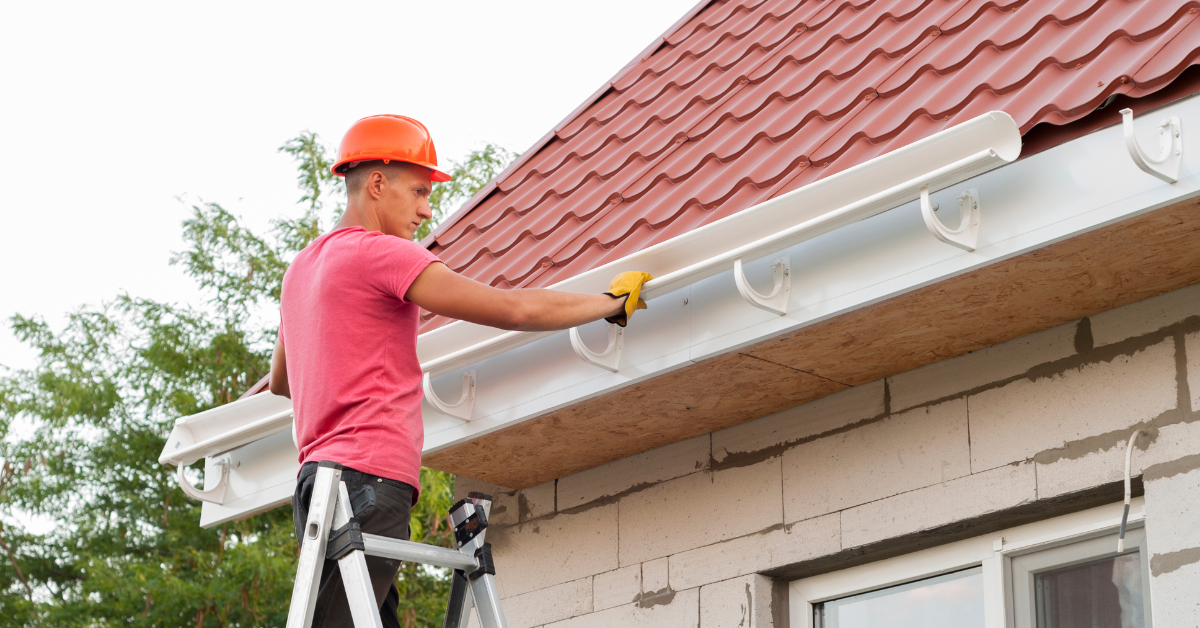
For homeowners comfortable with basic maintenance, certain gutter repairs can be performed without professional assistance, provided safety precautions are observed. Cleaning gutters to remove accumulated leaves, dirt, and debris is one of the simplest yet most effective maintenance tasks. Using a garden hose to flush out smaller obstructions can help identify leaks and improve water flow. Small leaks or cracks can be temporarily sealed using silicone or rubberized gutter sealants, restoring function until a more permanent solution is implemented. Sagging sections can be re-secured with brackets or screws, while damaged segments may be replaced by cutting out the affected section and installing a new piece. While these DIY solutions are suitable for minor problems, more severe damage, such as extensive rust, large cracks, or misaligned sections, generally requires professional intervention to ensure durability and long-term effectiveness.
Advantages of Professional Gutter Repair Services
For major or complicated issues, professional gutter repair services provide expertise and reliable results that are difficult to achieve through DIY methods. Experienced technicians can thoroughly inspect the entire gutter system, identify hidden or subtle problems, and offer comprehensive solutions that restore full functionality. Professional services include repairing or replacing sagging, cracked, or rusted sections, sealing leaks permanently, and installing gutter guards to minimize debris accumulation. These experts also ensure proper alignment and pitch, guaranteeing efficient water flow away from the home’s foundation. By choosing professional gutter repair, homeowners not only address immediate concerns but also reduce the likelihood of recurring issues, extending the overall lifespan of the gutter system and maintaining the property’s structural integrity.
Preventive Maintenance to Extend Gutter Lifespan
Preventive maintenance is critical to maximizing the life of a gutter system and avoiding frequent repairs. Homeowners should regularly clean gutters at least twice a year, typically in spring and autumn, to remove leaves, twigs, and accumulated debris. Routine inspections should accompany cleaning to check for leaks, rust, sagging, or misalignment, enabling early intervention before minor problems become major concerns. Installing gutter guards can significantly reduce the amount of debris that enters the system while allowing water to flow freely, reducing the frequency of cleaning and lowering the risk of clogs. Ensuring that downspouts remain unobstructed prevents water from pooling near the foundation, protecting the home from potential damage. Incorporating these preventive measures minimizes emergency repairs and contributes to the overall durability and reliability of the gutter system.
Selecting the Right Materials for Gutter Repair
Choosing the appropriate gutter material is essential for both durability and long-term maintenance. Common options include aluminum, steel, copper, and vinyl, each offering distinct benefits and challenges. Aluminum is lightweight, rust-resistant, and relatively easy to repair, making it a popular choice for residential properties. Steel gutters provide strength and durability but are susceptible to rust if not properly maintained. Copper gutters offer exceptional longevity and aesthetic appeal, though they come at a higher cost. Vinyl gutters are corrosion-resistant and affordable but may crack under extreme weather conditions. Selecting the right material during repair or replacement directly influences the gutter system’s performance, maintenance requirements, and resistance to environmental stressors.
Seasonal Considerations for Gutter Care
Gutters face varying challenges depending on the season, making seasonal preparation essential for maintaining functionality. In the fall, gutters should be cleaned to remove leaves and debris, and downspouts should be checked to ensure proper drainage. During winter, it is important to prevent ice dams from forming and to inspect for cracks caused by freezing temperatures. Spring offers an opportunity to assess damage from winter storms, clean out remaining debris, and address leaks before the rainy season begins. Preparing gutters seasonally reduces the risk of water damage, prolongs the system’s lifespan, and ensures consistent performance throughout the year, minimizing the need for emergency gutter repair services.
Conclusion
A well-maintained gutter system is crucial for protecting a home from water damage, foundation issues, and structural deterioration. Homeowners who proactively address problems through regular inspections, cleaning, and timely gutter repair can prevent minor issues from escalating into major expenses. Whether performing minor repairs independently or hiring professionals for complex issues, understanding the causes of common gutter problems, implementing preventive measures, and selecting the appropriate materials all contribute to long-term durability and reliability. By investing in gutter maintenance and repair, homeowners safeguard their property, preserve aesthetic appeal, and ensure a safe and dry environment for years to come, making gutter care an essential aspect of responsible homeownership.