Marble has long been celebrated as one of the most luxurious and visually captivating natural stones available, and for good reason. Its unique veining, rich textures, and ability to instantly elevate the appearance of any space make it a favored choice among designers, architects, and homeowners alike. However, while marble can dramatically enhance interiors and exteriors, achieving a flawless finish requires more than simply placing slabs or tiles onto a surface. Professional marble installation is essential to ensure both the durability and visual appeal of this material, as improper handling or inadequate preparation can lead to costly mistakes, structural issues, or a finish that fails to live up to the inherent beauty of the stone. Understanding the complete marble installation process, from material selection to maintenance, is crucial for anyone considering this sophisticated yet delicate natural material.
The purpose of marble installation extends far beyond aesthetics. Although the material is naturally striking and capable of serving as a centerpiece in kitchens, bathrooms, floors, walls, and decorative features, it is also a structural and functional component that must withstand regular use, weight, and exposure to moisture or temperature fluctuations. For example, marble countertops in kitchens need to resist stains, scratches, and thermal stress, while marble flooring must be able to endure foot traffic without cracking or losing its finish. Every step of the installation process is designed to ensure the stone performs as beautifully as it looks, protecting the investment and maximizing the lifespan of the material.
Understanding the Importance of Proper Marble Installation
Marble installation is a highly specialized process because each slab is unique, featuring natural variations in color, veining, and thickness. These characteristics, while enhancing the beauty of the stone, also create challenges that require meticulous attention to detail during installation. Unlike manufactured materials such as ceramic tiles or engineered stone, marble is heavier, more brittle, and prone to cracking or chipping if handled improperly. Furthermore, the placement of each slab or tile can significantly affect the visual continuity of the veining, which is critical for achieving a polished and harmonious appearance. Professionals undertaking marble installation not only assess structural considerations, such as subfloor strength and support framing, but also make aesthetic decisions that influence the flow of color and pattern throughout the space, ensuring a seamless, elegant finish.
Another aspect of marble installation that underscores its complexity is the material’s porous nature. Marble can absorb liquids, which may result in staining or discoloration if protective measures are not taken. This is particularly important in areas such as kitchens or bathrooms, where exposure to water, oils, and other substances is frequent. Professional installation addresses these concerns by incorporating proper sealing techniques, selecting suitable adhesives or mortars, and ensuring precise alignment to prevent uneven surfaces or moisture penetration. Without this attention to detail, even the most beautiful marble can quickly lose its charm and functionality, underscoring why professional installation is recommended for both aesthetic and practical reasons.
Preparing for a Successful Marble Installation
Preparation is one of the most critical stages in the marble installation process. Proper planning ensures that the stone is placed correctly, maximizes its visual appeal, and minimizes the risk of damage. The first step in preparation is assessing and preparing the surface where the marble will be installed. For flooring, this requires ensuring a stable, level subfloor capable of supporting the weight of the marble slabs. Countertop installations demand precise measurements of cabinets and support structures, as uneven surfaces can result in cracks or compromised adhesion over time. In wall applications, it is equally important to verify that the surface can handle the weight of marble panels, especially when used for vertical cladding or decorative features.
Accurate measurements and layout planning are also essential for a successful marble installation. Before cutting or placing slabs, installers carefully plan the arrangement to align veining, patterns, and edges. This ensures visual continuity and prevents mismatched pieces from disrupting the overall aesthetic. Additionally, pre-planning allows for efficient use of materials, reducing waste and ensuring that each slab is used optimally. Selecting the right type of marble for the intended application is another key component of preparation. While some marble varieties are harder and more durable, making them suitable for high-traffic areas or countertops, others are softer and better suited for decorative features where less wear and tear is expected. Choosing the appropriate finish—whether polished, honed, or matte—also affects both the aesthetic and functional performance of the material.
Tools and Materials Required for Marble Installation
Successful marble installation relies on specialized tools and high-quality materials. Handling marble improperly can result in permanent damage, which is why professional installers rely on precision equipment and carefully selected adhesives. Essential tools include wet saws equipped with diamond blades for cutting, leveling tools to ensure flat surfaces, tile spacers for consistent grout lines, and polishing pads for finishing. The choice of adhesive or mortar is particularly important, as standard adhesives may not provide the strength or flexibility needed for natural stone. Similarly, grout and sealers must be specifically designed for marble to prevent staining, discoloration, or damage.
Using the right tools and materials allows installers to work efficiently and achieve professional results. For example, wet saws ensure clean cuts without chipping the edges, while appropriate sealers protect the stone from moisture penetration and maintain its polished appearance. Investing in quality materials and tools during marble installation is a critical factor that influences the longevity and overall success of the project, highlighting why attempting DIY installations without expertise can be risky.
Step-by-Step Process of Marble Installation
Marble installation involves several interdependent steps, each contributing to the stability, appearance, and longevity of the finished product. The first step is surface preparation, ensuring it is clean, level, and structurally sound. Once the surface is ready, the installer lays out the marble pieces according to the pre-planned design, accounting for natural veining, patterns, and grout lines. This step is crucial for achieving a cohesive and visually pleasing arrangement.
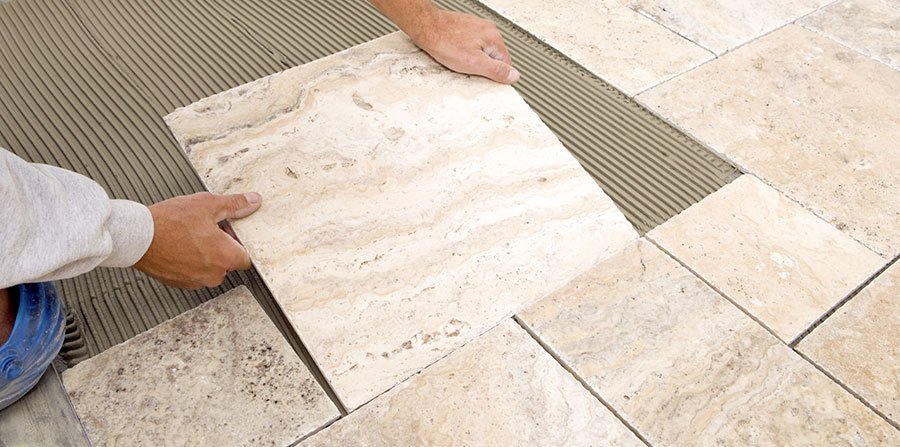
Next, a layer of adhesive or mortar is applied to the surface, and the marble pieces are carefully placed. Spacers are often used to maintain consistent spacing between tiles, while large slabs may require mechanical supports or brackets for additional stability. After the marble is set and the adhesive has cured, grout is applied to fill the spaces and lock the pieces in place. Finally, the marble is polished, cleaned, and sealed to protect it from stains and moisture. Each of these steps demands precision and attention to detail, as any errors can compromise both the appearance and functionality of the installation.
Common Challenges in Marble Installation
Marble installation presents several challenges that can affect both aesthetics and structural integrity. Cracking and chipping are common issues, particularly if the surface is uneven or the marble is mishandled during placement. The weight of marble slabs also requires careful planning, as insufficient support can lead to sagging or long-term damage. Variations in color or veining between slabs can create visual inconsistencies if not carefully aligned, and improper sealing can result in moisture absorption, staining, and deterioration.
Skilled installers anticipate these challenges and employ techniques to mitigate risk, such as using mechanical supports, leveling tools, and high-quality adhesives, as well as strategically planning the arrangement of slabs to ensure a seamless pattern. Addressing these challenges effectively is a key reason why professional marble installation is preferred over DIY approaches.
Maintenance After Marble Installation
Once marble has been installed, proper maintenance is essential to preserve its natural beauty and longevity. Sealing is a critical first step, protecting the stone from moisture, stains, and discoloration. Depending on the type of marble and its location, resealing may be necessary every one to three years. Cleaning should be performed with pH-neutral cleaners specifically formulated for natural stone, as acidic or abrasive products can damage the surface.
Regular polishing helps maintain the stone’s shine and highlights its natural veining, while prompt attention to spills or stains prevents long-term damage. Minor scratches, chips, or etching can often be repaired professionally to restore the marble’s flawless appearance. With consistent care, marble surfaces can maintain their elegance and functionality for decades, making proper maintenance an essential complement to high-quality marble installation.
Cost Considerations
The cost of marble installation varies depending on factors such as the type and quality of the marble, size and thickness of slabs or tiles, complexity of the design, and labor charges. While marble is generally more expensive than other materials, it offers unmatched durability, timeless appeal, and aesthetic value. Careful budgeting that accounts for both material and professional installation ensures that the project delivers maximum return on investment. Considering the longevity and visual impact of marble, the higher upfront cost is often justified by the long-term benefits of beauty, durability, and increased property value.
Applications of Marble in Modern Design
Marble is highly versatile and can be incorporated into numerous applications throughout a home or commercial space. Popular uses include flooring, countertops, wall cladding, fireplace surrounds, staircases, and decorative features. Its ability to blend with both classic and contemporary designs makes it a timeless choice. Large-format slabs provide a sleek, uninterrupted appearance, while smaller tiles allow for creative patterns, mosaics, or intricate layouts. The adaptability of marble, combined with precise marble installation, makes it a central element in creating luxurious and elegant interiors.
Conclusion
Marble installation is a complex, meticulous process that combines artistry, precision, and technical skill. Every step from surface preparation and material selection to cutting, placement, grouting, sealing, and maintenance plays a critical role in achieving a finish that is both beautiful and long-lasting. Proper installation ensures that marble retains its natural elegance, withstands everyday use, and enhances the overall value of a property. By investing in professional marble installation, homeowners and designers can enjoy the unmatched aesthetic appeal, durability, and timeless sophistication of this extraordinary natural stone, transforming ordinary spaces into extraordinary showcases of luxury and craftsmanship.
With careful planning, high-quality materials, and skilled workmanship, marble installation becomes an investment in both beauty and longevity, ensuring that the timeless elegance of marble remains a defining feature of any home or commercial space for generations to come.