Onslow County is a place where people take pride in their community—and their dogs. From Jacksonville neighborhoods to the quieter stretches near Holly Ridge and Swansboro, you’ll find families with pups of every breed and temperament. But not every dog arrives knowing the rules. Some are stubborn. Some are anxious. Some seem to forget everything the moment a squirrel crosses their path.
That’s where professional dog training comes in. Whether you’ve just brought home a new puppy or you’re dealing with a dog who’s developed some less-than-lovable habits, working with a trainer can make a real difference—for your dog and your sanity.
This guide covers what dog training in Onslow County, NC actually looks like, what methods work, and how to find the right fit for your dog.
Why Dog Training Matters More Than You Think
A well-trained dog is a happier dog. That might sound like a bumper sticker, but there’s truth behind it. Dogs thrive on structure. When they understand what’s expected of them, they’re less anxious, less destructive, and more confident in new situations.
Training also builds trust. The time you spend working through commands and behaviors with your dog strengthens your relationship in ways that casual playtime simply can’t replicate. Your dog learns to look to you for guidance. You learn to read your dog’s signals. It becomes a two-way street.
For families in Onslow County—especially those with military backgrounds, where moves and transitions are common—a well-trained dog is also a practical asset. A dog that behaves reliably in new environments, around new people, and in stressful situations makes life significantly easier.
Common Behavioral Challenges in Onslow County Dogs
No two dogs are the same, but trainers in the area tend to see some recurring issues:
- Leash reactivity: Dogs that lunge, bark, or pull when they see other dogs or people on walks
- Separation anxiety: Common in dogs from military households that experience frequent absences or relocations
- Basic obedience gaps: Dogs that haven’t mastered sit, stay, come, or leave it
- Jumping and nipping: Especially in puppies and high-energy breeds
- Resource guarding: Growling or snapping around food, toys, or sleeping spots
None of these issues mean your dog is broken or beyond help. They mean your dog needs guidance—and consistent, structured training can address all of them.
Training Methods: What Actually Works
The dog training world has moved significantly toward positive reinforcement-based methods, and for good reason. Research consistently shows that reward-based training produces faster learning, fewer behavioral side effects, and stronger bonds between dogs and their owners.
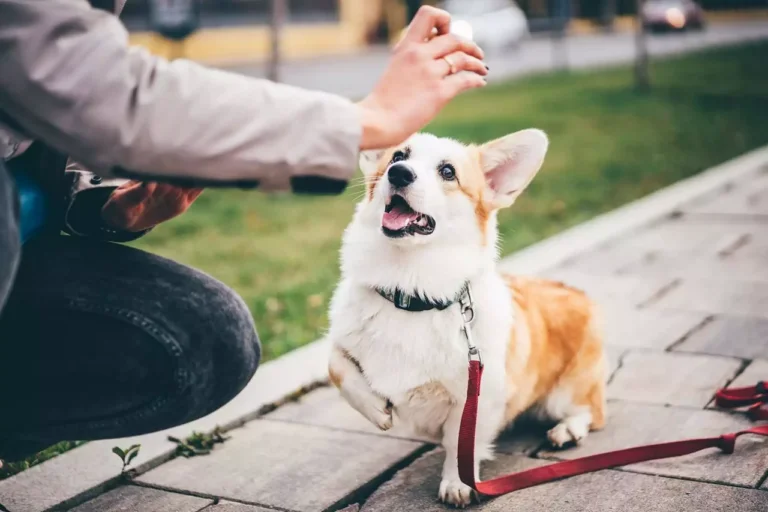
Positive reinforcement means rewarding the behavior you want—with treats, praise, toys, or play—so your dog is motivated to repeat it. It doesn’t mean ignoring bad behavior. It means redirecting it and reinforcing the right response.
Harsh corrections, choke chains, and punishment-based techniques can suppress behavior in the short term, but they often increase anxiety and can make problems worse over time. Most reputable trainers in Onslow County have moved away from these approaches entirely.
Puppy Training
Starting early gives you the best foundation. Puppy training focuses on socialization, basic commands, bite inhibition, and house training. Puppies have a critical socialization window—roughly between 3 and 14 weeks—during which new experiences shape their long-term temperament. Getting training started in this period pays off significantly down the line.
Obedience Training
For older dogs or those with specific gaps in their skills, structured obedience training covers the core commands every dog should know. A solid recall, reliable sit and stay, and loose-leash walking aren’t just convenient—they’re safety essentials.
Behavioral Modification
For dogs dealing with fear, aggression, reactivity, or anxiety, behavioral modification goes deeper than basic commands. This type of work often involves desensitization and counter-conditioning: gradually exposing the dog to triggers in a controlled way while pairing those experiences with positive outcomes. It takes patience and consistency, but the results are lasting.
Group Classes vs. Private Training: Which Is Right for You?
Both formats have their place, and the best choice depends on your dog’s needs and your goals.
Group classes are great for socialization, basic obedience, and puppies. They’re also more affordable and give dogs the chance to practice skills around distractions. If your dog does well around other dogs and people, group classes are a solid starting point.
Private training is better suited for dogs with specific behavioral issues, significant reactivity, or owners who want a more customized approach. A trainer comes to your home or works with you one-on-one, which means the training is tailored exactly to your dog’s challenges and your lifestyle.
Some dogs benefit from both—starting with private sessions to address specific issues, then transitioning to group classes to sharpen skills in a social environment.
What to Look for in a Dog Trainer in Onslow County, NC
Dog training is an unregulated industry, which means anyone can call themselves a trainer. That makes it important to ask the right questions before committing.
Credentials to look for:
- Certification through organizations like the Certification Council for Professional Dog Trainers (CCPDT) or Karen Pryor Academy
- Experience with your dog’s specific breed or behavioral issue
- A transparent training philosophy that aligns with positive reinforcement principles
Red flags to avoid:
- Trainers who rely heavily on punishment, pain, or intimidation
- Vague answers about methods or guarantees of overnight results
- No references or reviews from past clients
A reputable trainer will be happy to explain exactly what they do and why. They’ll ask you questions about your dog’s history, health, and environment. And they’ll set realistic expectations—training takes time and repetition, and any trainer promising quick fixes deserves a second look.
Training at Home: Reinforcing What Your Dog Learns
Professional training is only as effective as the follow-through at home. Consistency is everything. If your dog learns to sit on command during sessions but no one enforces it the rest of the week, the behavior won’t stick.
A few habits that make a real difference:
- Short, frequent sessions: Five to ten minutes a few times a day is more effective than one long session
- Same cues, every time: Make sure everyone in the household uses the same words and hand signals
- End on a win: Finish each session with something your dog already knows well so they end on a positive note
- Manage the environment: Don’t set your dog up to fail. If they’re still learning not to jump, don’t put them in situations where jumping is likely until that behavior is more solid
Dog training is a long-term investment, not a one-time fix. The dogs that make the most progress are the ones whose owners stay engaged and keep practicing between sessions.
Finding the Right Fit for Your Dog
Onslow County has a growing community of dog owners, and with that comes a range of training options—from group puppy classes to specialized behavioral work. Wild Child Dog Training is one option that serves the area, offering training tailored to individual dogs and their owners.
The most important thing is finding a trainer who communicates clearly, uses humane methods, and genuinely understands dog behavior. When you find the right fit, the difference it makes—for your dog, your household, and your daily walks—is hard to overstate.
Start Your Dog’s Training Journey Today
Dog training in Onslow County, NC creates the foundation for a stronger, more rewarding relationship between you and your dog. Every dog has the potential to become a wonderful companion when given the right structure, clear communication, and consistent guidance. Professional trainers understand how to evaluate behavior, identify the root of common issues, and implement proven techniques that encourage lasting improvement.
Your dog is worth it—and so is your peace of mind.
Contact Info
Name: Wild Child Dog Training
Address: 491 Smith Rd, Maysville, NC 28555
Phone: (910) 378-9377
Website: https://wcdogtraining.com/
Email: training@wcdogtraining.com