The durability of a building’s exterior is often underestimated until visible issues begin to appear. In urban residential areas, siding is exposed not only to natural elements like rain and temperature changes but also to pollution, limited airflow, and higher humidity levels between closely spaced buildings. These factors can gradually impact both the appearance and structural performance of exterior materials.
In places like Brookline, Massachusetts, where historic and modern homes coexist, siding systems must adapt to a wide range of architectural styles and environmental conditions. Understanding how siding behaves over time helps property owners make informed decisions about maintenance and long-term performance.
Climate and Environmental Factors Affecting Siding in Brookline
Brookline experiences a combination of cold winters, humid summers, and frequent precipitation. These conditions place continuous stress on exterior wall systems, particularly in materials that are sensitive to moisture or temperature fluctuations.
For those studying how siding systems respond to local conditions, insights available through resources like siding contractors brookline ma help illustrate how regional climate influences material selection and installation approaches.
Moisture exposure is one of the most critical factors. Without proper ventilation and drainage, water can accumulate behind siding panels, potentially leading to mold growth or structural damage over time.
The Role of Siding in Building Protection
Siding functions as a key component of the building envelope. Its primary purpose is to shield internal structures from external elements while contributing to insulation and energy efficiency.
A complete siding system typically includes:
- an outer cladding layer that deflects rain and wind;
- a weather-resistant barrier to prevent moisture penetration;
- a ventilation gap that allows trapped humidity to escape;
- insulation that supports temperature regulation.
If any of these layers are compromised, the overall effectiveness of the system may decrease.
Common Siding Materials and Their Characteristics
Different materials offer varying levels of durability, maintenance requirements, and resistance to environmental factors. The choice often depends on both climate and building design.
Widely used options include:
- vinyl siding, known for its resistance to moisture and relatively low maintenance needs;
- fiber cement, valued for strength and resistance to fire and pests;
- natural wood, which offers a traditional appearance but requires consistent upkeep;
- engineered composites, designed to balance durability with aesthetic flexibility.
Vinyl siding, for example, has become one of the most commonly used materials due to its adaptability and resistance to weather-related wear.
Siding Considerations for Massachusetts Residential Areas
Homes in Massachusetts must account for significant seasonal variation. Freeze-thaw cycles can cause materials to expand and contract, which may lead to cracks or loosening if installation is not properly executed.
Important considerations include:
- resistance to mold and mildew in humid conditions;
- stability under temperature fluctuations;
- compatibility with insulation systems;
- proper water drainage and airflow design.
Professional installation plays a key role in ensuring that siding performs effectively over time, especially in climates with frequent weather changes.
Common Mistakes When Selecting Siding Systems
Despite advancements in materials, certain issues still arise due to improper planning or lack of understanding of environmental conditions.
Frequent mistakes include:
- focusing only on appearance rather than long-term durability;
- ignoring local climate factors;
- inadequate ventilation behind siding;
- combining incompatible materials within one system.
Such errors can lead to premature deterioration and increased maintenance requirements.
Maintenance Practices That Support Long-Term Performance
Routine inspection and maintenance are essential for preserving siding performance. Even durable materials require periodic attention to prevent minor issues from developing into larger problems.
Recommended practices include:
- cleaning surfaces to remove debris and organic buildup;
- checking for cracks, warping, or loose sections;
- ensuring drainage systems remain unobstructed;
- addressing early signs of moisture intrusion.
Consistent maintenance can significantly extend the lifespan of exterior materials and reduce the likelihood of structural damage.
Evolving Trends in Exterior Siding Design
Modern construction trends emphasize sustainability, energy efficiency, and material innovation. These priorities influence how siding systems are designed and installed today.
Current developments include:
- integrated insulation systems that improve thermal performance;
- eco-friendly materials with reduced environmental impact;
- enhanced ventilation designs to manage moisture more effectively;
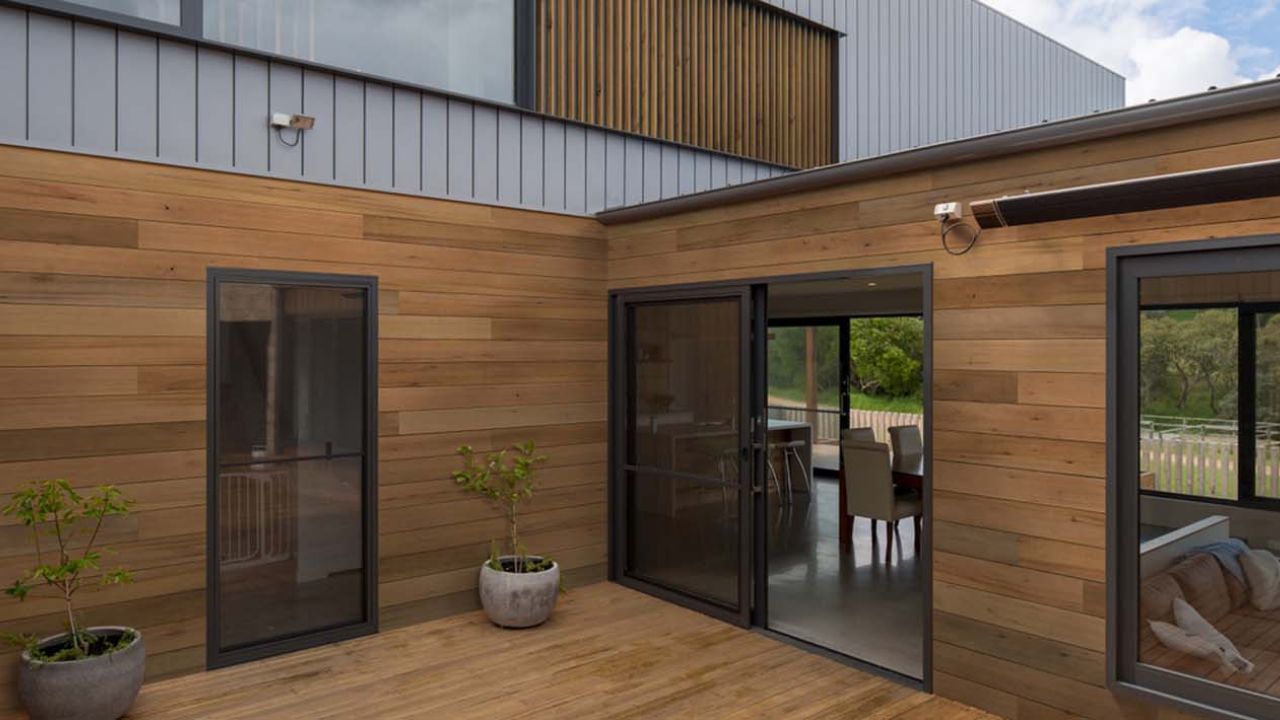
- mixed-material facades that combine functionality with visual diversity.
These approaches aim to create exterior systems that are more resilient and better suited to changing environmental conditions.
FAQ
How do I know if siding needs replacement?
Signs such as visible cracks, warping, fading, or moisture inside walls may indicate that siding is no longer functioning effectively.
Does siding affect energy efficiency?
Yes, especially when combined with proper insulation and installation. A well-designed system can reduce heat loss and improve indoor comfort.
Which siding material is most durable?
Fiber cement and engineered composites are often considered durable, though performance depends on installation quality and environmental exposure.
How often should siding be inspected?
At least once a year and after severe weather events to identify potential issues early.
Can different siding materials be combined?
Yes, but proper compatibility and installation techniques are essential to prevent moisture and structural problems.