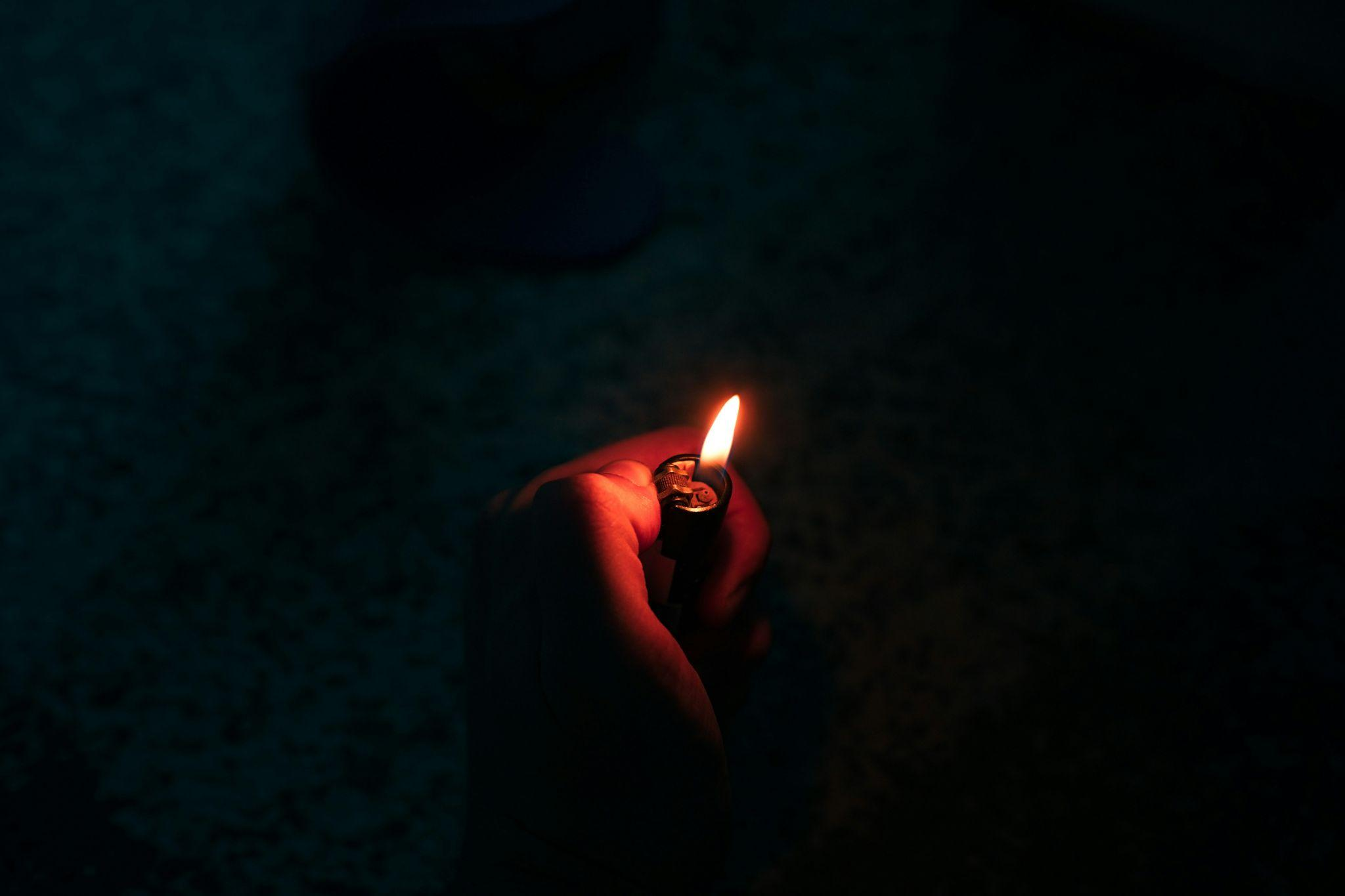
Whether it is a sudden summer storm or a wild winter front moving across the coast, power outages are an occasional reality of life. Being caught without a plan for a few hours in the dark is never ideal.
To keep your household safe and comfortable, it is best to have a dedicated kit that includes everything from a handy tactical torch to a portable stove. These essential tools serve as the foundation of a proactive home setup, offering the reliability and functionality that standard household items often lack during an emergency.
Reliable Lighting Solutions
The moment the grid goes down, your immediate priority is safely navigating your home. While a smartphone has a built-in light, using it as your primary source is not recommended, as it quickly drains the battery of your most important communication tool. Instead, every member of the family should have access to a dedicated LED light.
Modern LED technology is impressive because it offers long run times and adjustable brightness levels. For hands-free tasks, such as preparing a meal on a camping stove or checking the fuse box, a headlamp is an incredibly practical choice.
To illuminate a living area or a dining table, a sturdy lantern provides a warm, diffused light that makes the space feel more secure. It is also wise to keep a fresh supply of batteries nearby. Better yet, use rechargeable models that maintain their capacity for long periods while stored.
Maintaining Power and Connectivity
We live in a highly connected world, and staying informed is essential during an emergency. Your mobile phone is your main link to local outage maps and emergency services, but that battery percentage can drop surprisingly fast when you are relying on it. A high-capacity power bank is a practical addition to any emergency kit to ensure you stay online.
For longer disruptions, a portable power station is worth considering. These units are essentially large-scale batteries that operate silently and safely indoors. They can keep a Wi-Fi router running, power a laptop, or even run a small fan during a humid night. Many of these units are also compatible with solar panels, allowing you to top up the charge the following morning if the power is still out.
Information and Communication
In the event that mobile towers are affected or the internet becomes spotty, a battery-powered radio is an invaluable asset. In Australia, the ABC is the official emergency broadcaster, and tuning into your local frequency is the most dependable way to receive official updates and weather warnings.
Beyond the news, it is helpful to consider how to pass the time. A power outage can be a good opportunity to step away from screens, so having a deck of cards or a few board games ready can keep the mood positive. It provides a simple way to stay occupied and keeps the household calm while waiting for the utility crews to finish their work.
Managing the Kitchen and Pantry
Cooking requires a bit of foresight when the oven and microwave are unavailable. If you have a gas BBQ or a portable camping stove, you are already well-equipped. It is important to remember that these should only be used outdoors in a well-ventilated area to ensure safety.
Your emergency food supply should focus on items that are easy to prepare and have a long shelf life. Canned soups, tuna, crackers, and high-energy snacks are excellent choices. A manual can opener is a small but vital tool that is often overlooked until it is needed.
Additionally, it is a good idea to keep a few litres of bottled water per person on hand. Even if the main water is still running, some local pumping stations can be impacted by the same power issues affecting your home.
Safety and First Aid
Every home should have a comprehensive first aid kit, but its importance grows when you are moving around in low-light conditions. Minor bumps or stubs are more likely when the house is dark. Ensure your kit is stocked with antiseptic, various bandage sizes, and a supply of any essential daily medications.
Regarding food safety, try to keep the fridge and freezer doors closed as much as possible. A well-insulated fridge can keep food at a safe temperature for about four hours, while a full freezer can maintain its chill for up to 48 hours if left unopened. If the outage appears to be a long-term event, it is a good idea to use the more perishable items first to avoid waste.
Organising Your Kit
Preparing for a power outage is a straightforward process that provides significant peace of mind. By assembling these tools now, you are making a sensible investment in your family’s safety. Once your kit is ready, choose a central location that everyone is aware of, such as a pantry shelf or a dedicated cupboard, and keep the items together in a sturdy container.
Is there a better feeling than knowing you are fully prepared when the lights unexpectedly go out? Taking these practical steps today ensures that when the next storm arrives, you can simply reach for your kit and wait comfortably for the power to return. Staying organised and proactive is the best way to handle whatever the Australian weather sends your way.