Heat pumps have become an increasingly popular choice for heating and cooling both homes and commercial properties due to their energy efficiency, versatility, and ability to provide comfort throughout the year. Unlike conventional HVAC systems that rely on separate units for heating and cooling, heat pumps transfer heat between indoor and outdoor environments, offering a dual function that conserves energy and reduces utility costs. Despite their reliability, heat pumps are complex mechanical systems that can develop issues over time, impacting efficiency, performance, and overall comfort. Timely heat pump repair is essential to maintain optimal function, prevent costly breakdowns, and ensure the longevity of your system.
Understanding how heat pumps operate, the common problems that arise, and the repair process can help property owners make informed decisions, reduce energy costs, and avoid unnecessary inconvenience. Additionally, implementing preventive maintenance strategies alongside professional repair services can significantly extend the life of a heat pump while ensuring consistent indoor climate control.
How Heat Pumps Operate and Why They Need Repair
A heat pump functions on the principle of heat transfer, using a refrigerant to move heat from one area to another. During the winter months, it extracts heat from the outside air and transfers it indoors to provide warmth, even in cold temperatures. During the summer, the process reverses, moving heat from the interior to the outside, effectively cooling the space. This dual functionality makes heat pumps a highly efficient alternative to traditional systems, as they do not rely on combustion or separate heating units to regulate indoor temperatures.
However, the efficiency and reliability of a heat pump depend on the proper operation of multiple components, including compressors, fans, coils, and electrical controls. Any malfunction in these parts—such as a refrigerant leak, a frozen coil, or a faulty thermostat—can reduce the system’s ability to heat or cool effectively. Over time, wear and tear or lack of maintenance can exacerbate these issues, making professional repair critical to restoring performance and preventing further damage.
Common Heat Pump Issues That Require Repair
Heat pumps, like all mechanical systems, are prone to specific problems that can hinder performance or cause complete system failure. Recognizing these issues early is crucial to prevent costly repairs and maintain comfort:
Recognizing the Need for Professional Heat Pump Repair
Homeowners and business operators should remain vigilant for early warning signs that indicate a heat pump may need professional attention. These signs include fluctuating indoor temperatures, unusual operational noises, frost or ice buildup on the outdoor unit, reduced airflow through vents, and unexpected spikes in energy bills. Addressing these issues promptly with professional repair services prevents minor problems from escalating into costly system failures and ensures that the heat pump continues to operate efficiently throughout the year.
DIY attempts to repair heat pumps can be dangerous due to the high-voltage electrical components and pressurized refrigerants involved. Hiring licensed, trained professionals ensures that repairs are conducted safely, effectively, and in compliance with manufacturer guidelines.
The Heat Pump Repair Process
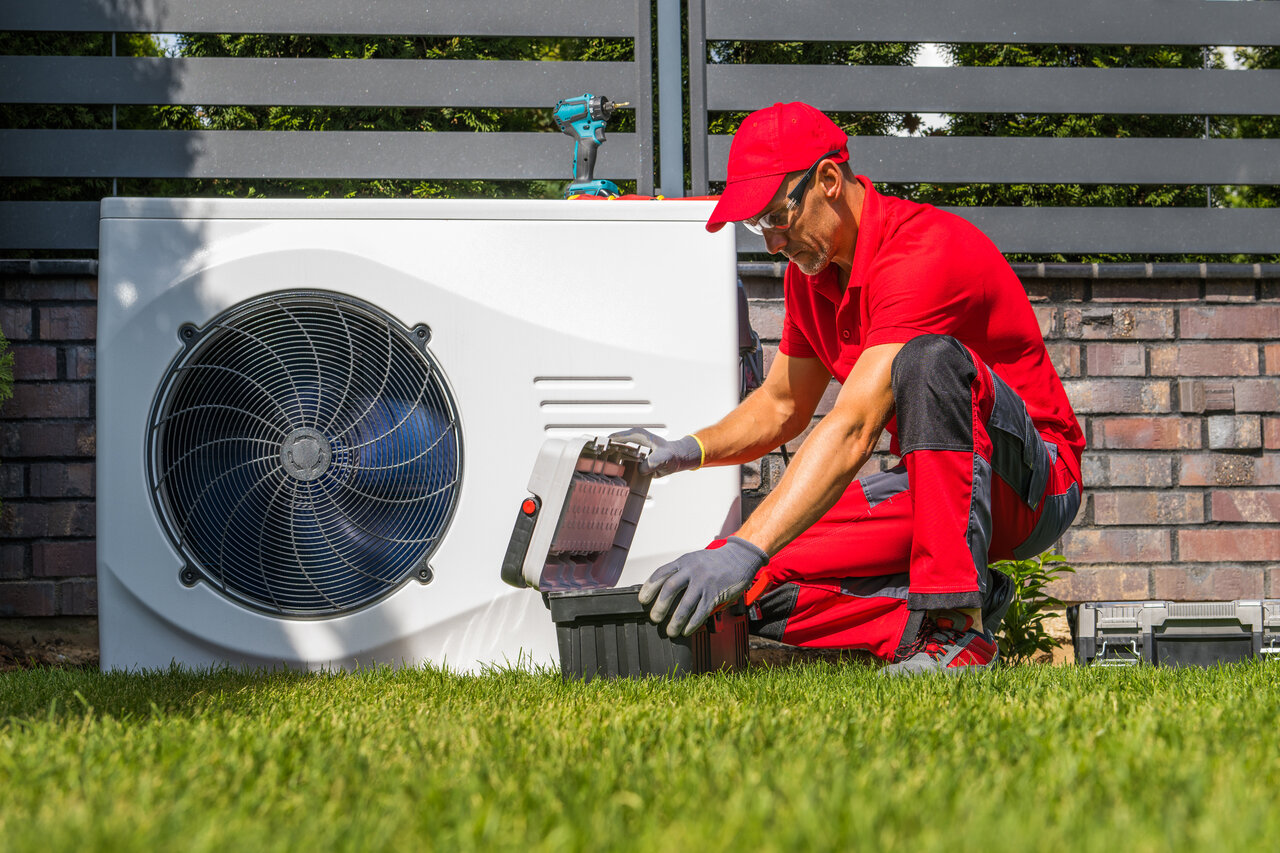
Professional heat pump repair involves a structured approach to identify and resolve problems. The process typically begins with a comprehensive inspection of both the indoor and outdoor units, including electrical components, refrigerant lines, airflow systems, and mechanical parts. Technicians use specialized diagnostic tools to pinpoint issues such as compressor failures, electrical faults, refrigerant leaks, or malfunctioning thermostats.
Once the root cause is identified, the repair may involve fixing or replacing components, recharging refrigerant, repairing electrical connections, or resolving airflow issues. After repairs, the system is thoroughly tested to ensure proper heating, cooling, and defrost cycles, and technicians often provide recommendations for preventive maintenance to avoid future breakdowns. This methodical approach ensures the system operates efficiently, safely, and reliably.
The Role of Preventive Maintenance
Regular maintenance is a crucial aspect of keeping a heat pump in peak condition and reducing the frequency of repairs. Preventive measures include replacing or cleaning air filters, inspecting and clearing debris around outdoor units, checking ductwork and airflow, and scheduling annual professional inspections. Regular maintenance not only improves system efficiency but also extends the operational lifespan of the heat pump and reduces the likelihood of unexpected failures.
Choosing a Reliable Heat Pump Repair Service
Selecting a reputable repair service is vital to ensure quality repairs and long-term system performance. Key considerations include verifying licensing and certifications, such as NATE (North American Technician Excellence), which demonstrate technical expertise. Experience with various heat pump brands and models is also important, as is transparent pricing, clear communication, and access to emergency services when unexpected breakdowns occur. Customer reviews and referrals can provide additional assurance of the company’s reliability and professionalism.
Benefits of Timely Heat Pump Repair
Addressing heat pump issues promptly offers numerous advantages. Repairs restore energy efficiency, reducing monthly utility costs while maintaining consistent indoor temperatures. Timely intervention extends the lifespan of the system by preventing minor faults from evolving into major failures. Professional repairs also ensure safe operation, particularly of electrical and refrigerant components, minimizing the risk of hazards. Overall, proactive heat pump repair protects the investment in the HVAC system and enhances the comfort and safety of the indoor environment.
Conclusion
Heat pumps are an energy-efficient and versatile solution for year-round heating and cooling, but like any mechanical system, they require regular attention and timely repairs to maintain performance. Recognizing common problems, scheduling professional heat pump repair, and implementing preventive maintenance measures are essential to ensuring efficiency, safety, and comfort. By working with skilled technicians and addressing issues promptly, homeowners and business operators can enjoy reliable indoor climate control, lower energy costs, and the long-term benefits of a well-maintained heat pump system. Proper care and professional repair ensure that your investment continues to deliver optimal comfort for years to come.