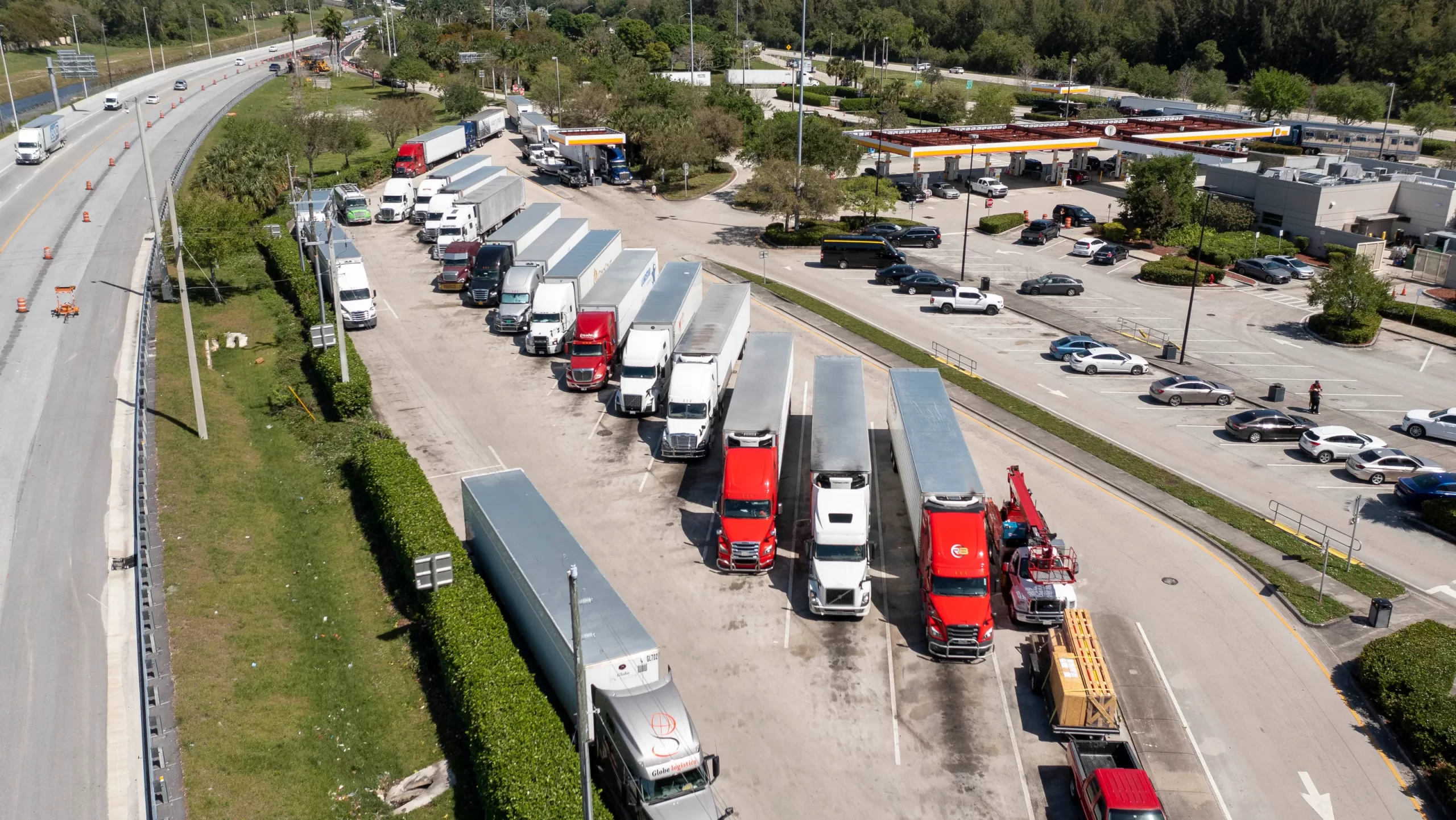
Introduction: The Significance of Truck Parking
Truck parking is a critical component of freight transportation and logistics, impacting both operational efficiency and driver safety. Unlike passenger vehicles, trucks require specialized spaces due to their large size, turning radius, and weight. The availability of adequate truck parking directly affects delivery schedules, driver rest compliance, and overall fleet management. Poorly managed parking or insufficient spaces can lead to illegal or unsafe parking, resulting in accidents, fines, and delays that disrupt supply chains and increase operational costs.
As freight demand grows and urban congestion increases, truck parking has become a significant concern for drivers, fleet managers, and policymakers. A properly designed and managed truck parking system ensures that drivers have access to safe, secure, and convenient spaces, supports adherence to regulatory hours-of-service requirements, and enhances the efficiency of logistics operations. This guide provides a comprehensive overview of truck parking, including types, challenges, design considerations, regulations, and best practices for both drivers and fleet operators.
Types of Truck Parking
Truck parking options vary depending on location, purpose, and duration of stay. Highway rest areas are common options for long-haul drivers, providing convenient locations for mandatory rest breaks. These areas often include basic amenities such as restrooms, vending machines, and sometimes fueling stations.
Truck stops offer comprehensive services, including fueling, maintenance, food, showers, and parking spaces for both short-term and long-term stays. These facilities are designed specifically to accommodate trucks, providing wider lanes, reinforced surfaces, and designated trailer parking.
Private fleet yards or company-owned lots are controlled parking areas where businesses store and maintain their trucks. These facilities offer enhanced security, easier access to maintenance services, and organized vehicle management. Public parking lots or municipal facilities may permit truck parking under certain conditions but often have limitations regarding size, duration, and security. Choosing the appropriate type of parking depends on operational needs, route planning, and regulatory requirements.
Key Considerations for Truck Parking
Truck parking requires careful attention to several factors. First, the physical dimensions of the vehicle demand ample space for maneuvering, safe entry and exit, and adequate distance between trucks to prevent collisions. Parking areas should include clear markings, designated lanes, and sufficient lighting to improve visibility and prevent accidents.
Security is another vital aspect. Facilities with controlled access, surveillance cameras, security patrols, and proper lighting help protect trucks, trailers, and cargo from theft or vandalism. Accessibility to amenities, such as restrooms, food services, showers, and fueling stations, is crucial for maintaining driver compliance with hours-of-service regulations and ensuring comfort during rest periods.
The structural integrity of the parking surface is also essential. Trucks are heavy, and surfaces must be reinforced to handle the weight without damage. Drainage, snow removal, and regular maintenance prevent safety hazards and prolong the lifespan of the facility.
Regulatory Compliance
Truck parking is governed by federal, state, and local regulations. The Federal Motor Carrier Safety Administration (FMCSA) enforces hours-of-service rules, requiring drivers to take rest breaks at appropriate intervals. Adequate parking availability is necessary for legal compliance, and lack of parking can result in drivers violating these regulations unintentionally.
Local ordinances may restrict commercial vehicle parking in residential areas, limit overnight parking, or enforce weight and size restrictions. Fleet operators and drivers must be aware of these rules to avoid fines, towing, or legal disputes. Selecting facilities that comply with these regulations ensures safe and legal operations while reducing operational risks.
Challenges in Truck Parking
Despite its importance, truck parking faces significant challenges. One major issue is limited availability, particularly along busy interstate highways or near urban centers. Overcrowding at truck stops and rest areas can force drivers to park illegally or in unsafe locations, increasing the risk of accidents and delays.
Other challenges include congestion within parking lots, difficult maneuvering in tight spaces, inconsistent amenities, and inadequate security. Weather conditions, such as snow, ice, or heavy rain, can further complicate parking, making it essential for drivers to plan ahead and for operators to maintain facilities properly.
Strategies for Efficient Truck Parking
Effective truck parking requires planning and smart strategies. Route planning that incorporates known truck parking locations reduces stress and ensures drivers have access to legal and safe parking. Real-time technology, including GPS apps and parking management software, allows drivers to locate available spaces, reserve spots in advance, and optimize parking time efficiently.
Optimizing lot design with wide lanes, angled spaces, and clear signage facilitates maneuvering and maximizes the number of trucks that can safely park. Collaborative approaches among private operators, municipalities, and highway authorities can expand parking capacity, reduce congestion, and improve safety. Training drivers on proper parking techniques, spatial awareness, and load securing enhances efficiency and reduces risk.
Benefits of Proper Truck Parking
Proper truck parking offers multiple benefits. Safety is enhanced by reducing fatigue-related accidents, preventing vehicle damage, and minimizing congestion. Operational efficiency improves through better route adherence, reduced downtime, and timely deliveries.
Cost savings result from lower repair expenses, minimized theft risk, and avoidance of fines due to regulatory violations. Well-maintained parking facilities improve driver comfort, compliance with mandatory rest periods, and overall job satisfaction. In addition, organized parking areas support smooth logistics operations, benefiting businesses, drivers, and the broader transportation network.
Technological Innovations in Truck Parking
Advancements in technology are transforming truck parking solutions. Real-time occupancy tracking, mobile apps, and reservation systems help drivers identify available parking spaces quickly and plan routes effectively. Smart surveillance, automated lighting, and digital access controls improve security and efficiency while reducing labor costs.
Sustainable design features, such as permeable pavements, solar-powered lighting, and green buffers, reduce environmental impact while maintaining functionality. These innovations contribute to safer, more efficient, and environmentally responsible truck parking solutions.
Conclusion
Truck parking is a vital element of freight transportation, directly affecting safety, efficiency, regulatory compliance, and cost-effectiveness. Properly designed and managed parking facilities provide secure, accessible, and convenient spaces for drivers to rest, refuel, and maintain compliance with federal and local regulations. By understanding types of parking, key considerations, regulatory requirements, and optimization strategies, drivers and fleet operators can achieve safer and more efficient operations. Effective truck parking not only supports the well-being of drivers but also enhances operational reliability, ensures timely deliveries, and strengthens the overall logistics system.