Plant installation is a foundational component of successful landscaping, transforming design concepts into living environments that enhance beauty, functionality, and environmental value. Whether implemented in residential gardens, commercial properties, or public landscapes, proper plant installation requires strategic planning, horticultural knowledge, and precise execution. Simply placing plants in the ground is not enough; long-term success depends on soil preparation, plant selection, irrigation planning, and ongoing care. When approached correctly, plant installation ensures that vegetation thrives, integrates seamlessly with surrounding elements, and contributes to a sustainable and visually balanced outdoor space.
Understanding plant installation involves examining each stage of the process, from initial planning and site assessment to planting techniques and post-installation maintenance. A thoughtful approach not only improves plant survival rates but also reduces maintenance costs, prevents structural damage, and promotes ecological health. This comprehensive guide explores the essential steps, best practices, and long-term considerations involved in professional plant installation.
Understanding the Purpose of Plant Installation
Plant installation serves both aesthetic and functional purposes. In residential settings, it enhances curb appeal, creates outdoor living environments, and provides privacy and shade. In commercial landscapes, plant installation contributes to branding, environmental responsibility, and customer experience. Public projects often focus on sustainability, biodiversity, and community engagement. Regardless of the context, plant installation must balance visual design with environmental compatibility to ensure long-term performance.
Beyond appearance, plants improve air quality, reduce soil erosion, regulate temperature, and support wildlife habitats. Trees provide shade that lowers energy consumption, shrubs offer wind protection, and groundcovers prevent weed growth and soil runoff. These ecological benefits highlight the importance of thoughtful installation practices that promote healthy growth and minimize environmental stress.
Site Assessment and Planning
Successful plant installation begins with a thorough site evaluation. Professionals analyze soil composition, drainage patterns, sunlight exposure, wind conditions, and climate factors before selecting plant species. Understanding these environmental variables ensures that chosen plants are well-suited to their surroundings and capable of thriving without excessive intervention.
Soil testing is particularly important, as nutrient deficiencies, pH imbalances, or compacted soil can hinder plant growth. Amending soil with organic matter, compost, or appropriate fertilizers may be necessary before installation. Drainage considerations also play a critical role, as poorly drained soil can lead to root rot and plant failure. By addressing these factors in advance, the installation process sets the stage for long-term success.
Strategic planning also includes spatial design and plant placement. Considerations such as mature plant size, root expansion, and canopy spread must be factored into layout decisions. Overcrowding plants can lead to competition for nutrients and light, while improper placement near structures can cause long-term damage. A well-designed plan accounts for growth patterns and seasonal changes, ensuring a balanced and sustainable landscape over time.
Selecting the Right Plants
Plant selection is one of the most critical elements of installation. Choosing species that align with the local climate, soil conditions, and maintenance expectations greatly improves survival rates. Native plants are often preferred because they are adapted to local environmental conditions and require less water and maintenance. However, non-native ornamental species may also be incorporated when selected responsibly and maintained properly.
In addition to environmental compatibility, plant selection should consider aesthetic goals. A mix of trees, shrubs, perennials, annuals, and groundcovers creates visual interest and seasonal variety. Layered planting designs enhance depth and texture, while color coordination ensures harmony throughout the landscape. Functional considerations, such as privacy screening, erosion control, or shade creation, should also influence plant choices.
The Plant Installation Process
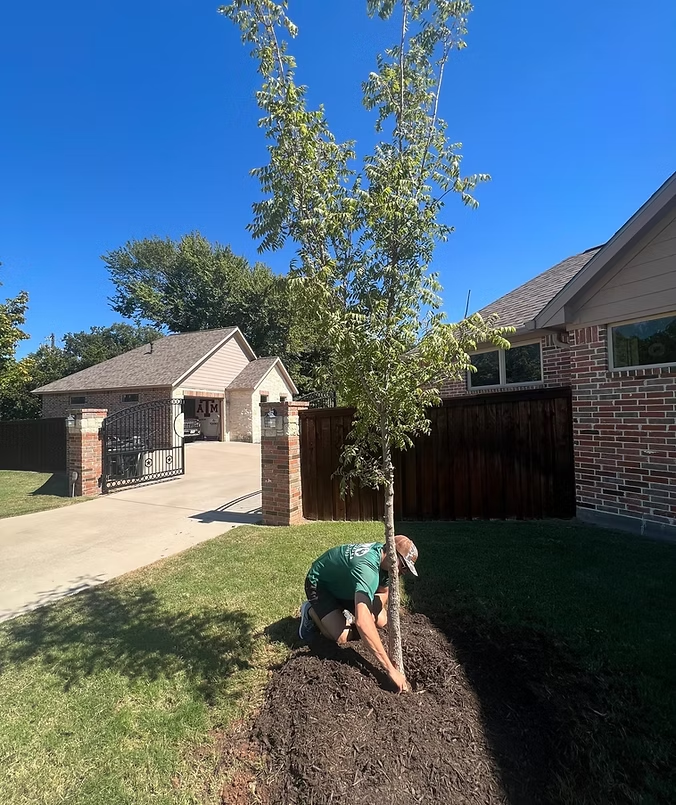
The actual installation process involves several carefully executed steps to ensure healthy root establishment and structural stability. Preparation begins with marking planting locations and digging holes that are appropriately sized for each plant. Holes should be wide enough to allow root expansion but not excessively deep, as improper depth can suffocate roots or cause instability.
Before placement, roots should be gently loosened to encourage outward growth. Plants are then positioned at the correct height, ensuring that the root collar remains level with the surrounding soil. Backfilling with amended soil and lightly compacting it eliminates air pockets while maintaining adequate drainage. Watering immediately after planting helps settle soil and initiate root contact.
Mulching is an essential final step in plant installation. A layer of organic mulch conserves moisture, regulates soil temperature, and reduces weed growth. However, mulch should not be piled against the plant stem, as this can cause rot and pest issues. Proper mulching techniques significantly enhance the success of newly installed plants.
Irrigation and Water Management
Water management plays a central role in plant establishment. Newly installed plants require consistent watering to develop strong root systems. However, overwatering can be just as harmful as underwatering. Establishing a balanced irrigation schedule tailored to plant type, soil composition, and climate ensures optimal growth.
Modern irrigation systems, such as drip irrigation or smart sprinkler systems, improve efficiency by delivering water directly to root zones while minimizing waste. Monitoring soil moisture levels and adjusting irrigation practices as plants mature prevents stress and encourages resilience. Long-term water management planning reduces maintenance costs and promotes environmental sustainability.
Post-Installation Care and Maintenance
Plant installation does not end once plants are placed in the ground. Ongoing maintenance is essential for ensuring healthy growth and longevity. Regular watering, fertilization, pruning, and pest management support plant development and prevent disease.
During the first growing season, plants are particularly vulnerable to environmental stress. Monitoring for signs of wilting, discoloration, or pest infestation allows for timely intervention. Proper pruning techniques encourage strong structure and prevent overcrowding. Fertilization schedules should be based on soil test results rather than routine application, ensuring that plants receive necessary nutrients without overexposure.
Seasonal adjustments also contribute to plant health. Preparing plants for winter conditions, protecting young trees from frost damage, and adjusting irrigation during dry periods help maintain vitality throughout the year. A proactive maintenance plan safeguards the investment made during installation and ensures long-term success.
Common Challenges in Plant Installation
Despite careful planning, challenges can arise during plant installation. Poor soil conditions, extreme weather, pest infestations, and improper planting techniques are common obstacles. Addressing these issues promptly is critical to preventing plant loss.
Compacted soil can restrict root growth and limit oxygen availability, requiring aeration or soil amendment. In regions with heavy rainfall, drainage solutions such as raised beds or grading adjustments may be necessary. Pest management strategies, including integrated pest management (IPM) approaches, reduce reliance on chemical treatments while protecting plant health.
Improper planting depth is one of the most frequent causes of failure. Plants installed too deeply may suffer from root suffocation, while shallow placement can lead to instability. Attention to detail during installation prevents these avoidable errors and improves survival rates.
Environmental and Sustainability Considerations
Sustainable plant installation practices support ecological balance and reduce environmental impact. Incorporating native plants, conserving water, and minimizing chemical use contribute to long-term environmental health. Rain gardens, bioswales, and green infrastructure elements can be integrated into plant installation projects to manage stormwater and reduce runoff.
Biodiversity is another important consideration. A diverse plant palette supports pollinators, birds, and beneficial insects, strengthening ecosystem resilience. Sustainable practices not only benefit the environment but also enhance the aesthetic and functional value of landscapes.
Professional Plant Installation Versus DIY
While some property owners choose to install plants independently, professional plant installation offers distinct advantages. Experienced horticulturists and landscapers understand soil science, plant physiology, and design principles, ensuring optimal placement and long-term performance. Professionals also have access to high-quality plant stock and specialized equipment, reducing the risk of errors and improving efficiency.
DIY installation may be suitable for small projects, but complex landscapes often benefit from expert oversight. Professional services provide warranties, maintenance plans, and ongoing support, offering peace of mind and protecting investment value.
Long-Term Benefits of Proper Plant Installation
When executed correctly, plant installation delivers lasting benefits. Healthy vegetation enhances property value, improves environmental conditions, and creates inviting outdoor spaces. Strong root systems, proper spacing, and thoughtful design ensure that plants mature gracefully and require less corrective maintenance over time.
Investing in high-quality installation reduces long-term expenses associated with plant replacement and structural repairs. It also fosters a landscape that evolves naturally, reflecting seasonal changes and contributing to overall property appeal.
Conclusion
Plant installation is a strategic and multifaceted process that extends far beyond placing vegetation in the ground. It involves careful planning, informed plant selection, precise planting techniques, and ongoing maintenance to ensure long-term success. By addressing environmental conditions, soil health, water management, and sustainability considerations, plant installation creates landscapes that are both beautiful and resilient.
Whether for residential gardens, commercial properties, or public spaces, proper plant installation enhances aesthetic appeal, supports ecological health, and provides lasting value. With thoughtful design and professional execution, plants can flourish for years to come, transforming outdoor environments into vibrant, sustainable, and functional landscapes.