Key Takeaways
- Columbus, OH, faces notable shifts in weather, including higher temperatures and unpredictable precipitation.
- These weather changes threaten tree health by triggering early leaf drop and increasing susceptibility to pests.
- Recognizing and addressing these challenges can help safeguard urban forests and the wider community.
Table of Contents
- Rising Temperatures and Urban Heat Islands
- Altered Precipitation Patterns
- Early Leaf Color Changes
- Increased Pest Infestations
- Impact on Tree Safety
- Mitigation Strategies
- Frequently Asked Questions
Tree health is a vital aspect of Columbus’s urban environment, and climate-driven changes are raising new concerns for homeowners and city officials alike. Extreme heat waves, heavier rainfall, and prolonged drought are becoming more common, placing immense stress on the region’s urban forests. As trees become more vulnerable, the risks to safety and property rise, highlighting the growing importance of reliable support during storm-related emergencies. Residents concerned about tree hazards, such as downed or damaged trees impacting homes, power lines, or roads, can rely on emergency tree service in Columbus, OH, from Challengers Tree Service. With decades of experience providing 24/7 tree removal and storm clean-up throughout the Greater Columbus area, Challengers Tree Service brings certified expertise and a swift response to keep local properties safe. Their professionalism and commitment to tree safety make them a trusted authority for urgent tree care needs in the region.
Changing climate patterns do not just affect the city’s green canopy visually. Trees under stress, disease, or pest infestation are also at greater risk of falling or losing major limbs, underscoring the value of professional emergency tree services. These services play a key role in responding quickly to storms and other weather events, preventing further property damage, supporting ongoing community safety, and helping preserve the area’s urban tree canopy.
Rising Temperatures and Urban Heat Islands
Columbus has experienced a steady rise in average annual temperatures over the past few decades. The urban heat island effect intensifies this warming in densely built city areas, resulting in much higher temperatures than in nearby rural regions. This phenomenon occurs when asphalt, concrete, and buildings absorb heat during the day and slowly release it at night, keeping city temperatures elevated. Heat waves in Columbus often last longer and reach higher peaks than ever before, with some neighborhoods feeling up to 8°F hotter than suburban or rural areas. This increase speeds up tree evaporation rates, dries out soil, and strains even the most established trees, diminishing their ability to thrive and recover from stress.
Altered Precipitation Patterns
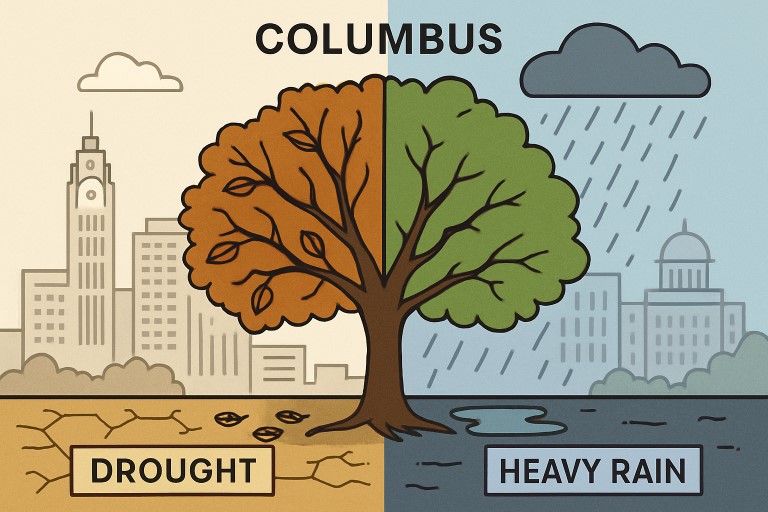
Beyond hotter temperatures, Columbus has seen an uptick in the frequency and intensity of both heavy downpours and prolonged dry periods. Total precipitation has increased significantly, along with a jump in the number of very heavy rain events. While more rainfall can benefit young trees, the reality is that intense storms quickly saturate soils, followed by stretches of drought that deprive tree roots of steady moisture. Such swings in water availability can weaken tree structure, stunt growth, and create favorable conditions for disease to take hold. These effects become even more pronounced when extreme rainfall leads to erosion or root upheaval, posing new threats to tree stability and public safety. More perspectives on these climate impacts can be found through reporting by The New York Times.
Early Leaf Color Changes
In central Ohio, early changes in foliage color can be a tell-tale sign of underlying stress from erratic weather. Arborists have noticed that species such as maples, tulip poplars, and hackberries are showing autumn hues several weeks earlier than usual when exposed to dry summer conditions. This premature shift is not just an aesthetic issue; it indicates that trees are entering a survival mode known as “leaf senescence,” preparing to conserve resources sooner to survive recurring drought. Early leaf drop limits the time trees have to accumulate energy through photosynthesis, which can reduce their growth and resilience year after year. Residents may notice bare branches and patchy colors in late summer, suggesting the need for closer monitoring and targeted care of affected trees.
Increased Pest Infestations
Weather-stressed trees are more likely to suffer from pest infestations. In Columbus, pests like the spongy moth and emerald ash borer thrive when trees are weakened by drought or temperature extremes. These invasive insects can defoliate trees in large numbers, sometimes resulting in complete tree loss within a few seasons if left unchecked. Prolonged infestations strain trees’ defense systems, leaving them vulnerable to secondary infections from bacteria or fungi. Monitoring for the early signs of pest damage, such as thinning canopies or chewed leaves, helps prevent widespread decline. Community-wide tree health programs and individual action can slow the spread of new pests before they reach crisis levels, offering valuable protection for Columbus’s urban canopy.
Impact on Tree Safety
The combination of heat, erratic rainfall, and pest pressure puts trees at risk of structural failure. Trees may shed limbs or topple entirely during heavy storms, especially when roots have been undermined by drought or flooding. These incidents pose serious hazards to nearby homes, vehicles, power lines, and pedestrians. Regular assessment by a local arborist, especially in at-risk neighborhoods, is essential for identifying which trees need preventative care, pruning, or removal. Proactive maintenance can make all the difference between minor storm cleanup and costly emergency interventions.
Mitigation Strategies
Expanding Canopy and Building Resilience
Columbus has taken steps to counteract the challenges posed by changing weather with updated urban forestry codes and targeted efforts to expand tree canopy coverage. Homeowners and city planners alike are encouraged to choose native tree species that are well adapted to local climate extremes and to focus on diversified plantings for greater ecosystem resilience. Additionally, regularly mulching around trees, deep watering during dry periods, and careful monitoring can mitigate drought and heat stress, boosting long-term tree health.
Community Involvement and Expert Guidance
Effective management of tree health and safety depends heavily on community education and involvement. Workshops, neighborhood tree plantings, and local partnerships help raise awareness about best practices for tree care under changing climate conditions. Connecting with certified arborists who stay up to date on regional pest threats, diseases, and climate adaptation strategies can offer tailored advice and support. Information and community resources are readily available through sites such as Tree Care Tips for those wishing to learn more about practical solutions.
Frequently Asked Questions
Q: How can homeowners help maintain tree health amid changing weather patterns?
A: Homeowners can regularly water trees during droughts, apply mulch to maintain soil moisture, and schedule annual inspections with a certified arborist to identify early signs of stress or disease.
Q: Are particular tree species more resilient to climate change?
A: Native species typically show greater resilience because they have evolved to thrive under local conditions. Consulting with a local nursery or tree specialist ensures you select species best suited to Columbus’s present and future climate.
Q: What role do trees play in mitigating urban heat islands?
A: Trees help lower urban temperatures by providing shade, cooling air through transpiration, and improving air quality. A well-maintained canopy reduces overall heat during hot weather.
Proactively addressing the effects of Columbus’s changing weather patterns on tree health is essential to maintaining urban safety and environmental quality. With dedicated community involvement and support from expert services, residents can help ensure the city’s urban forest remains a valuable, resilient resource for generations to come.