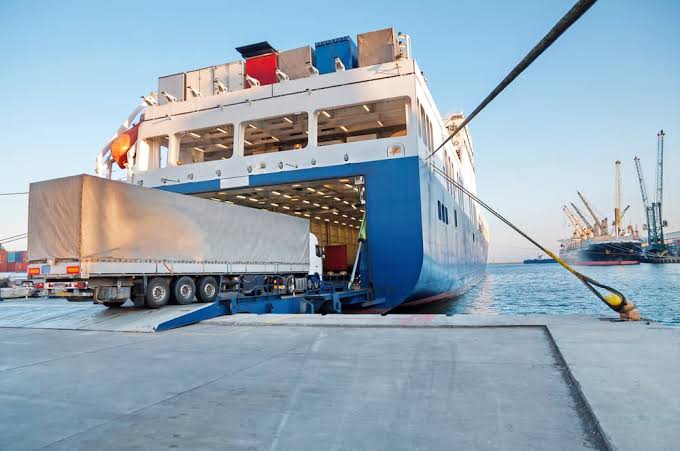
Whether you’re relocating abroad, exporting a vehicle to family overseas, or sending a classic car to a new home, ShipCars makes the process straightforward from first enquiry to delivery at the destination port.
Here’s exactly what happens, step by step.
Get a Free Quote
Tell us about your vehicle, your destination, and your timeline. We’ll provide a detailed, itemised quote that covers:
- Sea freight (or road freight for European destinations)
- UK collection from your address or delivery to our depot
- Professional crating where required
- Any known destination port handling charges
There are no hidden fees. If something changes after you book, we’ll tell you before it affects your cost.
How long it takes: Quotes are typically returned within one business day.
Confirm Your Booking
Once you’re happy with the quote, confirm your booking and we’ll assign you a dedicated shipment coordinator. They will be your single point of contact throughout the process.
At this stage we’ll also:
- Confirm your preferred departure date and vessel schedule
- Send you a full documentation checklist for your specific destination
- Advise on any destination-specific requirements (biosecurity, import approval, etc.)
We Collect Your Vehicle
On the agreed date, we collect your vehicle from your UK address or you can drop it directly to our depot. Either way, one of our team will inspect and photograph the vehicle at the point of handover, creating a condition report you keep a copy of.
What to prepare before collection:
- Reduce fuel to approximately a quarter of a tank
- Disconnect or isolate the battery
- Remove loose accessories, valuables, and personal items
- Have your V5C logbook and proof of ID ready
Non-running vehicles are no problem — just let us know in advance so we can arrange the right equipment.
Professional Crating (Sea Freight)
For International Motorcycle Shipping sea freight, your vehicle is professionally crated at our depot in ISPM-15 heat-treated timber. Crating protects your vehicle during loading, the sea voyage, and unloading at the destination port.
The crate is built around your specific vehicle’s dimensions. Your vehicle is secured inside using rated straps and blocking — it does not move during transit.
European road freight does not require crating. Your vehicle travels on an enclosed trailer directly to the destination.
Export Documentation
We prepare and handle all UK-side export paperwork, including:
- Bill of lading
- Packing list and commercial invoice
- Dangerous Goods Declaration (electric vehicles)
- DVLA permanent export notification guidance
We’ll guide you through any documents you need to sign or provide — including the V5C Section 11 for permanent exports.
Loading and Departure
Your crated vehicle is loaded into a container (shared or sole-use, depending on your booking) and transported to the UK departure port — typically Southampton, Felixstowe, or Tilbury. The container is then loaded onto the vessel.
You’ll receive confirmation of the vessel name, voyage number, bill of lading number, and estimated arrival date at the destination port.
In Transit
Your vehicle is at sea. Typical transit times:
| Destination | Approximate sea transit |
| UAE / Dubai | 18–24 days |
| USA (East Coast) | 18–26 days |
| Canada | 18–28 days |
| South Africa | 18–24 days |
| Australia | 28–38 days |
| New Zealand | 32–42 days |
Transit times are from vessel departure. Total door-to-port time includes collection, depot processing, and crating — typically add 5–10 working days before the vessel sails.
Your shipment coordinator is available throughout transit if you have questions.
Arrival and Customs Clearance
When the vessel arrives at the destination port, your vehicle goes through customs clearance. This is handled by a local port agent in the destination country.
You will need to:
- Pay any applicable import duties and local taxes
- Provide destination-specific documentation (e.g. Vehicle Import Approval for Australia)
- Arrange collection from the port or request onward delivery
Your coordinator will connect you with the local agent and advise on what’s needed well before the vessel arrives.
You Collect Your Vehicle
Once customs releases the vehicle, you (or your appointed agent) collect it from the destination port. If you need onward delivery to a final address in the destination country, let us know at the time of booking — we can arrange this on many routes.
Frequently Asked Questions
Do I need to be present when my vehicle clears customs?
Not always. On many routes — including Australia, New Zealand, South Africa, and the UK — customs can be cleared without the owner present, provided the paperwork is in order. Your coordinator will advise for your specific destination.
What happens if my vehicle is damaged during shipping?
Your vehicle is photographed and inspected at handover. If damage occurs during transit, the condition report is your evidence for any marine insurance claim. Contact your coordinator immediately on arrival if you notice any new damage before accepting the vehicle.
Can I include personal effects in the container?
On sole-use (FCL) container shipments, personal effects can often be included alongside the vehicle. There are restrictions on certain items, and personal effects are typically excluded from marine cargo insurance unless separately declared. Ask your coordinator before packing anything into the container.