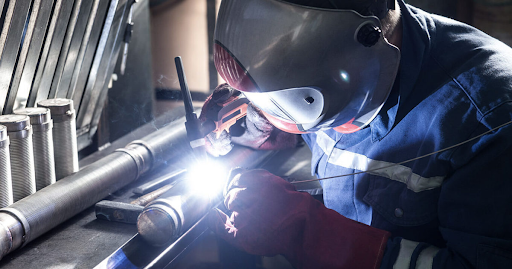
In the evolving field of metal fabrication, mastering essential trade skills is crucial for modern fabricators to remain competitive and efficient. A fabricator’s ability to work with various metals and welding techniques determines the quality and durability of the finished product. One indispensable aspect is understanding the correct use of mig welding gas, which enables precise welds essential in many manufacturing and construction processes.
Fabrication demands meticulous attention to detail, a comprehensive knowledge of materials, and proficiency in modern tools and equipment. Today’s fabricators must continuously develop skills that complement traditional techniques with advances in technology and safety regulations.
Understanding Welding Gases
Welding gases play a fundamental role in the fabricator’s trade, offering protection during gas metal arc welding processes. Besides mig welding gas, it is also vital to be proficient in the use of other welding gases like argon, carbon dioxide, and mixtures thereof, which influence weld quality for different metals.
Correctly handling these gases ensures cleaner welds and reduces porosity, preventing structural weaknesses. A modern fabricator must understand the characteristics of each gas type and their applications across various metal types and thicknesses.
Proficiency in Oxy Fuel Welding
Oxy fuel welding remains a critical welding method, particularly in cutting and joining metals where precision and control are necessary. Knowledge and practical skills in using oxy acetylene systems enable fabricators to perform tasks that require both heat and cutting capabilities.
Mastery of oxy fuel techniques also supports maintenance tasks, repair operations, and bespoke metalwork where alternative methods may not be suitable. Hence, this skill continues to be relevant alongside newer welding technologies.
Metal Fabrication and Design Interpretation
Fabricators must develop expertise in reading and interpreting technical drawings and blueprints. This capability allows them to visualize the final product and understand the sequence of fabrication tasks necessary to achieve the desired specifications.
Competency in design interpretation is essential for planning material use, estimating costs, and coordinating with engineering teams. It also facilitates the ability to suggest modifications or improvements that enhance product functionality or reduce manufacturing complexity.
Cutting and Shaping Metals
Modern fabricators require skills in precision cutting and shaping. Whether employing plasma, laser, or water jet cutting technologies, fabricators must handle these systems with accuracy and safety awareness.
Additionally, shaping metals through techniques such as bending, rolling, and forging demands knowledge of metal properties and appropriate machinery operation. These competencies contribute to fabricators’ ability to produce complex components efficiently.
Welding Techniques and Joint Preparation
In welding, joint preparation determines the strength and appearance of the final weld. A fabricator’s skill in creating suitably prepared edges, correctly aligning components, and choosing the appropriate welding process cannot be overstated.
Multiple welding techniques, including MIG, TIG, and arc welding, should be mastered depending on the application. Each method has specific advantages, and a modern fabricator must be adaptable to utilise the correct technique per project requirements.
Safety and Compliance Awareness
Adherence to safety standards and regulations is paramount in fabrication workshops. Fabricators must be trained in safe handling and storage of gases such as those used in welding and cutting.
Understanding the risks associated with welding fumes, gas cylinders, and electrical equipment mitigates workplace hazards. Knowledge of personal protective equipment and emergency procedures is also critical to ensure a safe working environment.
Quality Control and Inspection
Ensuring the integrity of fabricated products involves rigorous quality control measures. Modern fabricators need to develop skills in inspecting welds and finished structures for defects using both visual and non-destructive testing methods.
Detecting flaws early prevents costly repairs and guarantees customer satisfaction. A fabricator’s ability to document and communicate quality assurance results is valuable in maintaining production standards.
Maintenance of Tools and Equipment
Regular maintenance of welding machines, cutting tools, and gas supply systems directly impacts productivity and safety. Skilled fabricators must understand routine servicing procedures and identify when equipment requires professional attention.
Proper care extends machinery lifespan and lowers operational costs, benefiting both fabricators and their employers.
Material Science Fundamentals
An understanding of material properties forms the basis for selecting the right processes and treatments. Knowledge about metals such as steel, aluminium, and stainless steel, including their behaviour under heat and mechanical stress, equips fabricators to make informed decisions.
This knowledge supports fabricators’ roles in consulting during design and material selection stages, enhancing overall project outcomes.
Technological Adaptation and Digital Skills
The integration of computer-aided design (CAD) and computer numerical control (CNC) machinery into fabrication workshops demands basic digital literacy from modern fabricators. Training in these areas enables precision and efficiency beyond manual methods.
Familiarity with software interfaces and automated systems prepares fabricators for industry advancements and future workforce requirements.
Effective Communication and Collaboration
Fabrication projects often involve multidisciplinary teams. Developing communication skills enables fabricators to work efficiently with engineers, designers, and clients, ensuring that project objectives are met timely and to specification.
Clear exchange of requirements, feedback, and problem-solving discussions contribute to streamlined workflows and successful outcomes in fabrication projects.
Environmental Considerations
Modern fabricators should be aware of the environmental impact of their processes and strive for sustainable practices. This includes waste management, efficient energy use, and compliance with environmental regulations.
Choosing materials and methods that reduce carbon footprints and promote recycling aligns with responsible manufacturing trends.
Continuous Professional Development
The dynamic nature of the fabrication industry necessitates ongoing learning. Modern fabricators should pursue certifications, attend workshops, and stay updated with technological and regulatory changes.
Engaging with industry leaders such as Coregas Australia provides access to resources and expertise that support professional growth and skill enhancement.
In conclusion, the modern fabricator’s skill set extends beyond traditional metalworking to embrace a broad spectrum of technical competencies and professional qualities. Developing these skills ensures fabricators contribute effectively to the industry, meet quality and safety standards, and adapt to future manufacturing advancements.