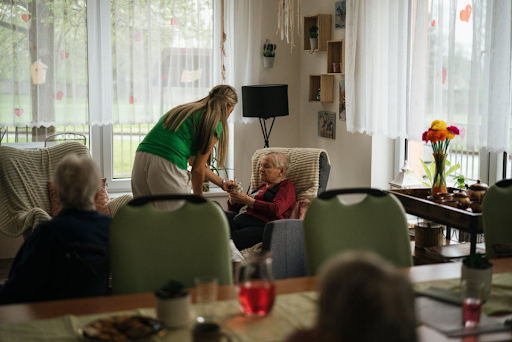
A family visit can change the way you see everything.
Maybe your father looks thinner than he did last month. Maybe your mother seems tired in a way that does not feel normal. Her lips are dry. Her hands shake when she reaches for a cup. A staff member says she has not had much of an appetite, then moves on to the next task.
That answer may not sit right. Food and water are basic needs. In a nursing home, they are also part of the care. When those needs are missed again and again, the concern can grow into something serious. A nursing home fall lawyer may review nutrition and hydration issues when weakness, confusion, or poor supervision may have played a role in a resident’s decline.
Food and Water Are Part of Daily Care
Many nursing home residents cannot manage meals the same way they once did. Some need reminders. Some need help cutting food, lifting utensils, sitting upright, or following a special diet. Others may need close watching because dementia, swallowing problems, dental pain, or medication side effects make eating harder.
That is why poor nutrition is not always a personal choice. Sometimes a resident tries to eat but cannot do so safely or without help. Sometimes a tray is placed in front of them and later removed, with most of the food still there.
In a care setting, that should raise questions. Did anyone notice? Was the doctor told? Did the facility change the care plan? These details matter in a possible nursing home neglect claim.
When Weight Loss Starts Telling a Story
Weight can change with age, illness, or medication. Still, steady loss should never be ignored. Clothes that hang loose, a thinner face, lower energy, and repeated weakness may suggest that a resident is not getting enough nutrition.
Malnutrition in nursing homes can affect more than appearance. It may slow healing, increase the risk of infection, weaken muscles, and make a person less steady while walking. For a frail resident, that weakness can raise the chance of a fall.
This is why a nursing home fall lawyer may look beyond the fall itself. The real question may be what happened in the weeks leading up to it. If poor intake, missed meals, or weight loss were documented in the records, those findings may help explain why the resident became more vulnerable.
Dehydration Can Look Like Something Else
Dehydration is easy to miss at first. A resident may seem sleepy, confused, dizzy, or less responsive. Families may hear that the person is having an off day. Sometimes that is true. Sometimes the body shows that it needs fluids.
Dehydration in elderly residents can occur when water is not kept within reach, bathroom assistance is slow, staff does not encourage fluid intake, or intake is not tracked. Some residents avoid drinking because they worry no one will come when they need help getting to the restroom.
The signs may include dry mouth, dark urine, headaches, weakness, confusion, constipation, urinary tract infections, or sudden balance problems. None of these signs prove neglect by themselves. Together, they can point to a pattern that deserves attention.
The Records May Show What Was Missed
A nursing home should be able to explain how it responded when a resident stopped eating, lost weight, or showed signs of dehydration. That explanation often appears in care records.
Those records may include weight logs, meal intake notes, fluid charts, nursing notes, dietitian reviews, doctor orders, and hospital transfer summaries. They can show whether staff noticed changes and whether anyone acted on them.
A gap can matter. If the same resident lost weight over several weeks but the chart shows no care plan update, no dietitian review, and no meaningful follow-up, that may suggest the problem was not handled properly.
A nursing home fall lawyer may use these records to understand whether the facility had warning signs before the resident was injured or hospitalized.
Poor Supervision Can Show Up in Small Ways
Neglect is not always loud. It may appear in ordinary moments that keep repeating.
A resident sits too far from a cup of water. A meal tray arrives while the person is asleep. Staff marks a meal as refused, but no one asks why. A resident with shaky hands is expected to feed themselves. A person who needs bathroom help stops drinking to avoid waiting in discomfort.
Each moment may seem small on its own. Over time, they can affect health. Poor nutrition and dehydration may suggest that the nursing home was not monitoring the resident closely enough, did not have sufficient staff, or failed to follow the resident’s care plan.
The concern is not whether one meal was missed. The concern is whether the resident’s needs were known and left unmet.
What Families Can Watch For
Families often notice changes before the chart reflects them. A loved one may seem quieter, weaker, or less interested in food. They may complain of thirst, dizziness, or stomach discomfort. They may have bruises from falls or seem afraid to ask for help.
It helps to write down dates, symptoms, and what the staff said. Ask when the last weight check was done. Ask whether the resident has a nutrition plan. Ask if fluid intake is being tracked. If the answers are vague, ask for a care plan meeting.
These steps are not about blaming someone too quickly. They are about ensuring a vulnerable person is seen and heard.
Conclusion
Poor nutrition and dehydration may support a nursing home neglect claim when they show that basic care needs were missed. Unexplained weight loss, repeated weakness, confusion, infections, falls, and hospital visits can all help reveal whether a resident received proper attention.
A nursing home fall lawyer may review medical records, facility notes, nutrition history, and witness accounts to understand what happened. If your loved one in Boynton Beach has shown signs of poor care, FK Legal can review the situation and explain which next steps may make sense.