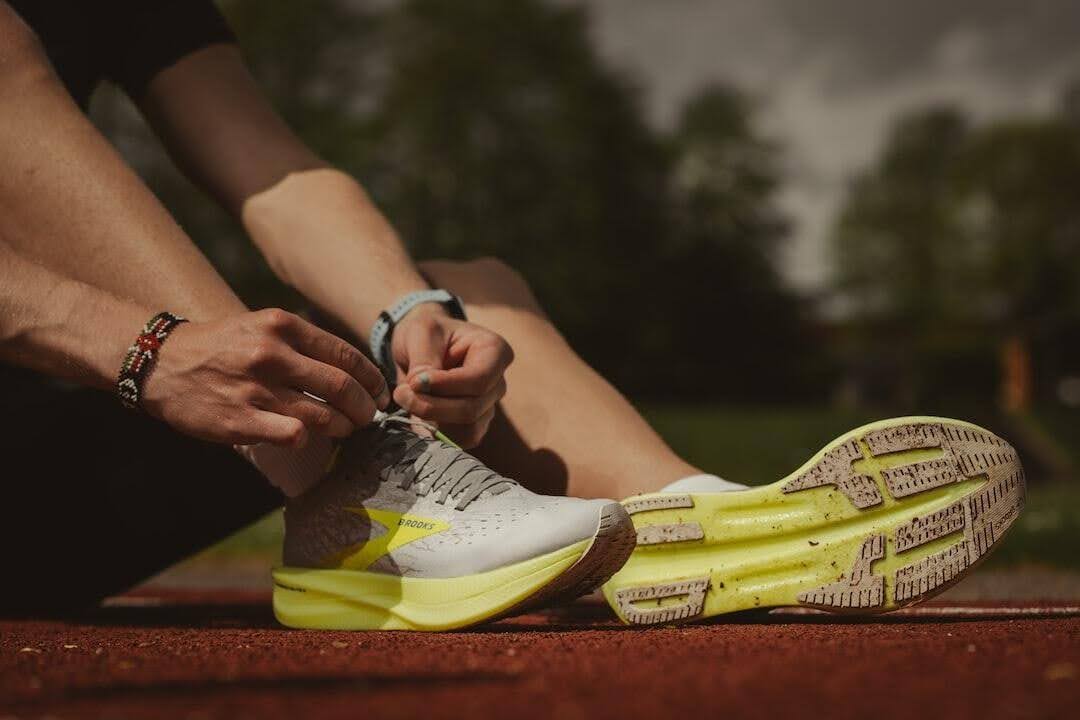
Athletic shoes have changed a lot over the past years. Long ago, runners wore basic canvas shoes with flat rubber soles. These old shoes gave very little support or soft padding for long runs. Today, modern sneakers use smart materials and clever design ideas to help athletes move better. New shoe technology gives runners soft cushioning, good body balance, and extra power with every step. These helpful changes protect runners from painful injuries while helping them achieve faster race times. Understanding this clear growth shows how science and sports work together to improve human movement for people everywhere.
New Materials Boost Comfort and Performance
Material science has changed how companies design and build sports shoes today. Midsole layers use light foam materials that squeeze down on impact and spring back to push the foot forward. Carbon fiber plates inside the sole add extra stiffness to save energy during long runs. Breathable mesh fabrics keep feet dry and cool by letting fresh air flow through the shoe during workouts. Durable rubber outsoles give runners reliable grip across different surfaces like asphalt roads, synthetic tracks, and dirt trail paths.
Key shoe features that boost performance include:
- Foam midsoles absorb harsh impacts.
- Carbon plates return more energy.
- Mesh uppers keep feet cool.
- Smart tread improves ground grip.
- Light designs reduce runner fatigue.
Runners who want maximum padding during long training sessions often choose hoka running shoes to protect their feet and joints. These popular sneakers feature thick foam bases that absorb heavy road impacts without adding extra weight to the shoe. The signature curved sole shape helps the foot roll smoothly from heel contact to final toe-off. This extra cushion reduces stress on ankles, knees, and hips during long runs on hard pavement. Modern athletes rely on these helpful features to keep their legs feeling fresh throughout tough weekly training schedules.
Smart Engineering and Modern Sports Culture
Footwear engineers now use smart digital tools to study running motion and improve overall shoe shape. High-speed cameras record foot strikes from many angles to track movement patterns and body weight points. Shoe designers use this clear data to build targeted support structures for different foot shapes and arch types. Built-in arch support stops bad foot rolls and helps runners keep good form during long races. Strong heel cups hold the back of the foot in place so it does not slide around during fast sprints.
Sports culture also drives shoe design forward as athletic needs mix with modern street fashion. Today’s runners want versatile shoes that perform well on the track and look stylish with everyday casual clothes. Major shoe brands team up with famous style designers to create eye-catching footwear collections. As a result, high-performance athletic technology mixes with modern street style, making technical running shoes popular fashion choices for active people everywhere.
Stepping into the Future of Running Gear
The future of athletic shoes looks very bright as building technology keeps moving fast. New design methods like 3D printing allow companies to make custom soles shaped for an individual runner’s foot structure. Also, green materials made from recycled ocean plastics and plant fibers are becoming normal parts in athletic gear. As design methods improve, athletes will enjoy better overall comfort, top speed, and strong durability from their athletic shoes in every sport.
If you’d like to learn more, check out more articles on our blog. Looking for more tips and ideas? We’ve got you covered. Check out some of our other posts now.