Key Takeaways
- Look beyond the purchase price and estimate the full renovation cost.
- Inspect major systems, including the roof, foundation, plumbing, and electrical.
- Separate essential repairs from optional improvements.
- Get detailed contractor bids and compare what each estimate includes.
- Keep a reserve for hidden damage, price changes, and unexpected work.
- Compare renovation loan options based on the project’s needs and costs.
- Consider the property’s projected value after renovations.
- Verify contractor qualifications, insurance, permits, and references.
- Keep renovation documents, bids, receipts, permits, and changes organized.
- Make sure the renovation timeline and monthly costs fit your budget.
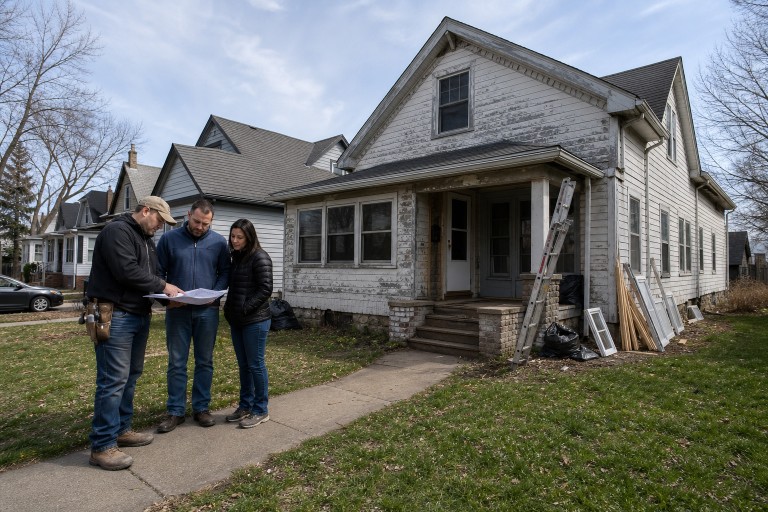
Buying a fixer-upper can be a practical route to homeownership when the location is right and the work is manageable. It can also become costly quickly when buyers focus only on the purchase price. Understanding how repairs, cash reserves, contractor bids, and residential mortgage lending fit together before making an offer can help turn a rough property into a realistic project. A successful renovation plan does not depend on finding the cheapest house on the market. It depends on matching the home’s condition to a clear scope of work, a financing option that suits the project, and enough flexibility to address problems discovered after work begins. Buyers should also consider how much time they can devote to decisions, contractor communication, inspections, and material selections, since even a well-funded renovation can become stressful when expectations are unclear.
The Reality Of Buying A Fixer-Upper
A low asking price may reflect more than dated cabinets or worn carpet. Cosmetic work, such as painting, flooring, fixtures, and landscaping, is usually easier to schedule and estimate than repairs involving the roof, foundation, drainage, plumbing, electrical system, or heating equipment. Older homes may also reveal issues that were not obvious during a brief showing. Consider the full project cost, not just the contract price. Closing costs, permits, inspections, material delivery, debris disposal, storage, and temporary housing can all affect the budget. The best fixer-upper is not necessarily the least expensive one. It is the property with repairs that can be defined, funded, and completed within a reasonable timeline. Location still matters because it cannot be renovated. Buyers may be able to replace outdated finishes over time, but they cannot easily change a long commute, limited access to services, flood concerns, or a layout that does not meet household needs. A home with manageable repairs in a suitable location can be more practical than a deeply discounted property with major defects or difficult resale considerations.
How To Decide If A Property Is Ready For Renovation Financing
Screen a property carefully before treating it as a renovation opportunity. Start with listing history and seller disclosures, then order a thorough home inspection. Pay special attention to evidence of water intrusion, structural movement, mold, unsafe electrical work, damaged roofing, or poorly completed prior renovations. Before finalizing plans, ask the local building department about permit requirements, zoning restrictions, and whether the intended changes are allowed. A project should also fit the home’s layout and neighborhood. Expanding a small house or adding high-end finishes may not make financial sense if comparable homes nearby do not support the projected value. When risks are unclear, an inspector, qualified contractor, lender, or housing counselor can provide a useful perspective. It can help to walk through the property with the inspection report in hand and identify which issues must be addressed first. For example, correcting active leaks or unsafe wiring generally takes priority over replacing countertops or choosing decorative lighting. This early review can help buyers distinguish a home that needs organized improvement from one that may require extensive specialized work. Buyers should also think about whether they can live in the home during construction. A project involving only finishes may allow occupancy, while major work on kitchens, bathrooms, electrical systems, plumbing, or heating may make temporary housing more realistic. Discussing the anticipated work sequence with the contractor can make this decision easier before closing.
Building A Repair Budget That Holds Up
Begin by separating required repairs from optional improvements. Required work addresses safety, weather protection, building systems, and basic function. Optional work may improve appearance or comfort, but it should not crowd out essential repairs. Request written estimates for major work and account for labor, materials, permits, inspections, design fees, appliances, disposal, and finish selections.
Use Three Budget Levels
- Minimum plan: Work needed to make the home safe, functional, and suitable for occupancy.
-
Target plan: Improvements that add comfort, durability, and long-term usefulness.
- Stretch plan: Features that can be postponed if costs rise or the schedule changes.
Keep a reserve for concealed damage, price changes, and change orders. A reserve does not eliminate surprises, but it reduces the chance that an unexpected repair will halt the entire project.
Compare each estimate carefully rather than relying only on the final price. One bid may include permit handling, demolition, cleanup, or a particular material allowance, while another does not. Asking contractors to describe assumptions and exclusions in writing makes it easier to compare similar scopes of work and reduces confusion after construction begins.
Comparing Renovation Loan Options
Renovation financing can take several forms, including FHA-insured renovation mortgages, conventional renovation mortgages, home equity borrowing for current owners, cash-funded smaller projects, and construction financing for major rebuilding. The appropriate choice depends on credit, income, cash available at closing, property condition, repair size, and the expected construction schedule. Buyers considering an FHA option can review the eligible 203(k) rehabilitation improvements before discussing the program with a participating lender. Loan rules, lender overlays, documentation standards, and fees can vary, so borrowers should ask how repair funds are released, whether mortgage insurance applies, what deadlines govern the work, and how budget overruns are handled. Financing should be evaluated as part of the overall project plan rather than after a purchase contract is signed. Some programs require detailed contractor documentation or limit the types of work that may be included. Understanding those requirements early can help buyers write a more informed offer and avoid selecting a property whose condition does not fit the available financing.
Why The Finished Value Matters
For many renovation loan structures, the lender considers the home’s projected value after approved work is complete. The appraisal commonly relies on comparable properties in the surrounding market, along with the planned scope of renovation. This is why a detailed and realistic work plan matters. Renovation spending does not automatically translate into equal added market value. A luxury kitchen, custom finishes, or a major addition may appeal to an owner but may produce limited value in a modest neighborhood. Keep the project aligned with local buyer demand, the home’s size, and nearby comparable sales. Practical improvements often support both day-to-day use and marketability. Repairing deferred maintenance, improving weather protection, updating failing systems, and making awkward spaces functional may be more important than selecting unusually expensive finishes. Buyers should separate personal preferences from the improvements needed to support the property’s financing and long-term condition.
Choosing Contractors And Creating A Work Plan
Contractor selection can affect both the budget and the loan process. Obtain written bids that clearly describe labor, materials, exclusions, payment stages, deadlines, and change-order procedures. Verify licensing and insurance when required in the project location, ask for references from comparable work, and confirm who will obtain permits and arrange inspections. Communication is equally important. The buyer, contractor, lender, inspector, and appraiser may all need the same current scope of work and cost information. Keep bids, contracts, receipts, photos, permits, and approved changes organized from the beginning. A written work plan can also establish the order of major tasks. Work that protects the structure or opens walls for repairs may need to occur before flooring, paint, cabinets, or other finishes are installed. A logical sequence reduces the risk of having to redo completed work and gives everyone involved a clearer basis for tracking progress.
A Step-By-Step Financing Process
- Set a monthly payment that remains comfortable after taxes, insurance, utilities, and maintenance.
- Review credit, income, debts, savings, and documentation before shopping aggressively.
- Find a property with a workable location, layout, and repair scope.
- Complete inspections and create a clear, itemized scope of work.
- Collect contractor bids that match that scope, then submit the required loan documents.
- Follow lender procedures after closing, including inspections, draw requests, and approved change orders.
Each step should be documented promptly. Delays often occur when estimates, inspection findings, or requested financial records are incomplete. Maintaining a single organized file for property documents and renovation records can make lender requests easier to respond to and help the buyer track decisions throughout the project.
Common Mistakes That Raise Costs
Costly mistakes often begin with incomplete planning. Buyers may underestimate repair costs, overspend on visible upgrades, overlook permits, hire contractors without clear documentation, or make changes after approval without understanding the financing implications. They may also overlook practical costs such as moving, storage, temporary housing, and maintaining emergency savings, all of which are outside the project budget. Another common problem is treating the initial contractor estimate as a fixed guarantee when the scope is still vague. Buyers can reduce this risk by making selections, allowances, responsibilities, and approval procedures as clear as possible before work starts. Significant changes should be reviewed for their effect on cost, timing, permits, and loan requirements.
A Simple Pre-Approval Checklist
- Income and employment records
- Recent bank statements and debt details
- Estimated purchase price and available cash
- Inspection report and repair priorities
- Written contractor estimates and timeline
- Questions about fees, reserves, inspections, and payment schedules
Before applying, use a realistic spending review to confirm that the new payment and project costs leave room in the household budget. The CFPB recommends that prospective buyers assess their spending before shopping for a home, which is particularly important when a renovation may create additional expenses. It is also useful to bring a list of priorities to the conversation with the lender. Identify which repairs are essential, which improvements could be delayed, and what level of cash reserve should remain available after closing. This helps create a plan that can adapt if estimates or construction conditions change.
Final Thoughts
A fixer-upper can be a sound choice when the property, repair plan, financing, contractor, and projected finished value work together. Careful preparation cannot prevent every surprise, but honest numbers, clear priorities, and a reserve for the unexpected can make renovation risks easier to manage. Before purchasing, buyers should assess the property’s current condition and identify major concerns involving the roof, foundation, plumbing, electrical systems, heating and cooling, windows, and other essential components. Obtaining professional inspections and written estimates can provide a clearer idea of the work required and help separate immediate repairs from improvements that can wait. It is also important to account for permits, materials, labor, financing costs, insurance, property taxes, and potential delays. A realistic budget should include a contingency amount for hidden damage or changes that arise after work begins. Buyers should also consider whether the expected value of the renovated property justifies the total investment and whether the timeline aligns with their financial and personal plans. By evaluating the property carefully and planning for both expected and unexpected expenses, buyers can approach a fixer-upper with a clearer understanding of the potential costs and responsibilities involved.