Modern homes increasingly rely on advanced appliances designed to improve comfort, efficiency, and convenience. Among these innovations, tankless water heaters have become a popular choice for homeowners who want a reliable supply of hot water while reducing energy consumption. Unlike traditional water heaters that store heated water in a large tank, tankless systems heat water only when it is needed, providing an endless flow without storing large quantities of hot water.
However, like any appliance, tankless water heaters require proper care and maintenance to function efficiently. Over time, wear and tear, mineral buildup, and system malfunctions can affect their performance. When problems arise, professional tankless water heater repair becomes essential to restore efficiency, prevent damage, and ensure that the system continues delivering reliable hot water.
Understanding how tankless water heaters operate, recognizing early signs of malfunction, and scheduling timely repairs can significantly extend the lifespan of the unit and protect the investment homeowners make in these advanced systems.
Understanding How Tankless Water Heaters Work
Tankless water heaters, often referred to as on-demand water heaters, function differently from traditional storage tank models. Instead of storing hot water, they heat water instantly as it flows through the system. When a hot water tap is turned on, cold water enters the unit and passes through a heating element or gas burner that rapidly heats the water before it reaches the faucet or appliance.
This on-demand heating process offers several advantages. First, homeowners never run out of hot water because the system produces hot water continuously as long as it is needed. Second, tankless systems are generally more energy-efficient because they eliminate standby heat loss associated with traditional storage tanks.
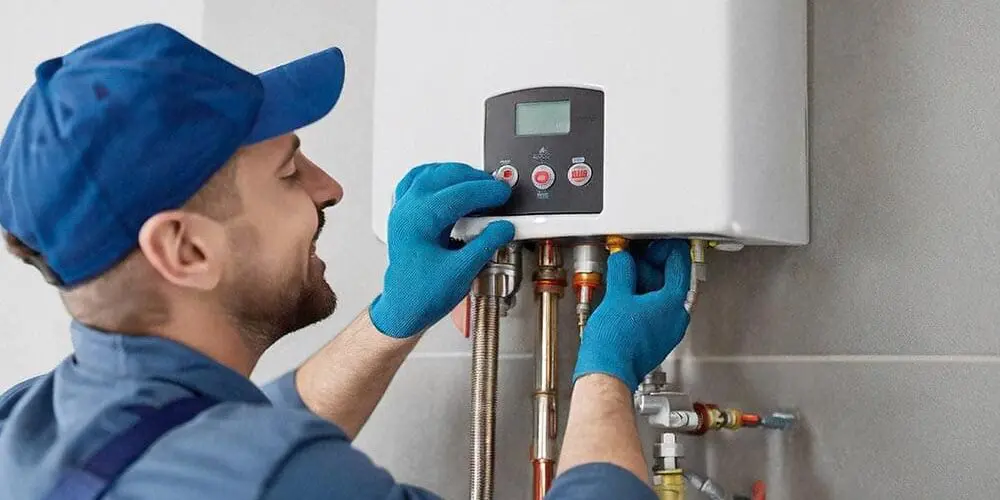
Despite these benefits, tankless water heaters contain complex components such as heat exchangers, sensors, burners, and electronic controls. When any of these parts malfunction, the system may struggle to provide consistent hot water. This is when professional tankless water heater repair becomes necessary to identify and fix the underlying problem.
Common Problems That Affect Tankless Water Heaters
Even high-quality tankless systems can experience issues over time. Recognizing the most common problems can help homeowners take action before small concerns escalate into major failures.
One of the most frequent problems is mineral buildup inside the heat exchanger. In areas with hard water, minerals such as calcium and magnesium accumulate within the system. This buildup reduces heating efficiency and can eventually block water flow if not addressed through regular maintenance.
Another common issue involves fluctuating water temperatures. If the system cannot maintain a steady temperature, it may indicate a faulty sensor, clogged filter, or scaling inside the heating elements.
Ignition failure is another potential problem, especially in gas-powered units. If the burner cannot ignite properly, the system will not heat water as expected. This may result from gas supply issues, venting problems, or electronic control malfunctions.
Low water pressure or restricted flow can also affect system performance. Tankless heaters rely on sufficient water flow to activate the heating process. When filters become clogged or pipes develop blockages, the heater may shut off or produce inconsistent results.
In these situations, professional technicians can diagnose the issue accurately and perform the necessary tankless water heater repair to restore normal operation.
The Importance of Regular Maintenance
Preventive maintenance is essential for keeping tankless water heaters functioning efficiently. While these systems are designed to be durable, regular servicing helps prevent common issues such as mineral buildup, sensor malfunctions, and reduced heating efficiency.
Routine maintenance typically involves flushing the system to remove mineral deposits from the heat exchanger. This process helps maintain proper water flow and ensures that heating elements operate at optimal performance levels.
Technicians also inspect filters, check gas connections, test sensors, and verify that ventilation systems function correctly. By performing these checks periodically, potential issues can be detected early and resolved before they lead to system failure.
Consistent maintenance not only reduces the likelihood of unexpected breakdowns but also improves energy efficiency. A well-maintained tankless system heats water more effectively and consumes less energy, resulting in lower utility bills.
Signs That Your Tankless Water Heater Needs Repair
Homeowners often overlook subtle signs of malfunction until the system stops working entirely. However, recognizing early warning signals can prevent larger problems and costly replacements.
One of the most noticeable signs is inconsistent water temperature. If hot water suddenly turns cold or fluctuates frequently, it may indicate a malfunctioning thermostat, scaling inside the system, or a failing heating component.
Reduced water pressure when using hot water may also suggest a problem within the heater. Mineral buildup or clogged filters can restrict water flow and reduce overall performance.
Strange noises coming from the unit are another indication that something may be wrong. Rattling, hissing, or popping sounds can result from trapped air, scaling, or mechanical issues within the heating components.
Error codes displayed on the system’s control panel are also important indicators. Modern tankless water heaters often include digital displays that alert users to specific system faults. Ignoring these warnings can lead to further damage if the underlying issue is not addressed promptly.
If any of these symptoms occur, scheduling professional service can help resolve the problem quickly and prevent additional complications.
Energy Efficiency Benefits of Tankless Systems
One of the primary reasons homeowners choose tankless water heaters is their energy efficiency. Because these systems heat water only when needed, they eliminate the standby heat loss associated with traditional tanks that constantly maintain a reservoir of hot water.
This on-demand heating approach can significantly reduce energy consumption, particularly in households that use moderate amounts of hot water. Over time, these savings can offset the higher initial cost of installing a tankless system.
However, maintaining efficiency requires proper care. Mineral buildup, clogged filters, or faulty components can force the system to work harder than necessary, increasing energy usage and reducing performance.
Timely maintenance and professional repairs help ensure that the system continues operating at peak efficiency while delivering reliable hot water whenever it is needed.
The Role of Professional Technicians
Tankless water heaters contain complex components that require specialized knowledge to repair safely and effectively. Attempting DIY repairs without proper training can sometimes cause further damage or create safety hazards.
Professional technicians have the expertise needed to diagnose issues accurately using specialized tools and diagnostic equipment. They understand how different components interact and can quickly identify whether a problem involves electrical connections, gas supply, sensors, or internal heating elements.
Additionally, certified technicians follow industry safety standards when working with gas lines, electrical components, and pressurized water systems. This ensures that repairs are completed safely while maintaining compliance with building codes and regulations.
Professional servicing also helps preserve manufacturer warranties, which often require maintenance and repairs to be performed by qualified technicians.
Extending the Lifespan of Tankless Water Heaters
One of the major advantages of tankless water heaters is their potential longevity. While traditional storage tank water heaters typically last around 10 to 15 years, tankless systems can often operate effectively for 20 years or more with proper maintenance.
Several factors influence the lifespan of these systems, including water quality, installation quality, usage patterns, and maintenance frequency. Hard water conditions can accelerate mineral buildup, which may reduce efficiency and cause premature wear if not addressed.
Regular maintenance, proper installation, and timely repairs all contribute to extending the life of the system. By addressing small issues early and keeping components clean, homeowners can maximize the value and performance of their tankless water heaters.
When Replacement Becomes Necessary
Although tankless water heaters are built to last, there may come a time when repairs are no longer sufficient to restore reliable performance. If the system experiences repeated breakdowns, declining efficiency, or significant internal damage, replacement may become the more practical option.
Newer models often include improved energy efficiency, advanced controls, and better durability. Upgrading to a modern system can provide improved performance while reducing long-term maintenance costs.
Before making a replacement decision, professional technicians typically evaluate the condition of the existing system and recommend the most cost-effective solution. In many cases, minor repairs and maintenance can restore performance without requiring a full replacement.
Environmental Advantages of Tankless Water Heaters
Tankless water heaters also offer environmental benefits compared to traditional storage tank systems. Because they use less energy, they contribute to lower greenhouse gas emissions associated with energy production.
Their compact design also reduces material usage during manufacturing. Additionally, longer lifespans mean fewer units end up in landfills compared to shorter-lived traditional water heaters.
Some modern tankless models are designed to integrate with renewable energy systems, further improving sustainability. These systems can work alongside solar water heating or other energy-efficient technologies to reduce environmental impact.
By maintaining these systems properly and addressing repair needs promptly, homeowners can continue benefiting from both energy savings and environmental advantages.
Conclusion
Tankless water heaters have transformed the way households access hot water, offering convenience, efficiency, and space-saving design. Their ability to provide endless hot water on demand makes them an attractive option for modern homes seeking improved energy performance and comfort.
Timely tankless water heater repair helps restore optimal performance, prevent further damage, and ensure that the system continues delivering reliable hot water for years to come. With regular maintenance and professional care, homeowners can maximize the benefits of their tankless water heaters while protecting their investment and maintaining comfort in their daily lives.However, these advanced systems require proper maintenance and occasional repairs to function at their best. Ignoring warning signs or delaying service can reduce efficiency, increase energy costs, and shorten the lifespan of the unit.