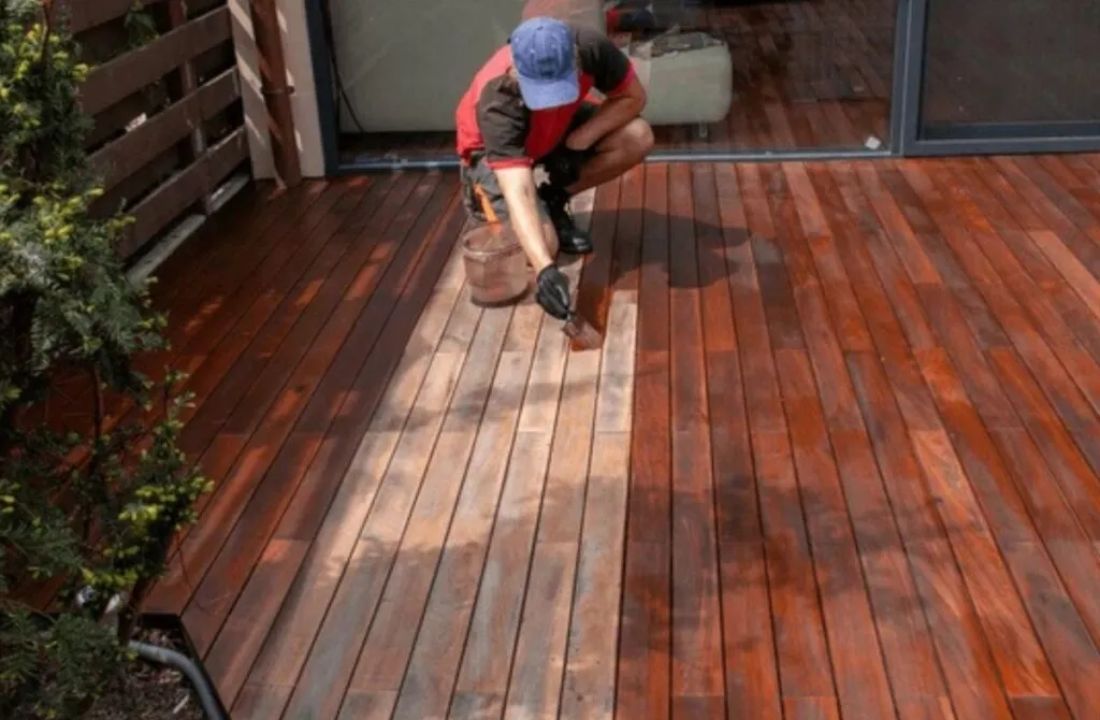
Outdoor decks are constantly exposed to moisture, temperature changes, and environmental stress. Over time, even small amounts of water infiltration can lead to serious issues such as wood rot, mold growth, and weakening of structural components. These problems often develop gradually, making them difficult to detect in early stages.
Because of this, waterproofing is considered a critical part of maintaining any outdoor deck system. It helps create a barrier against water, preserving both the surface and the underlying structure while reducing long-term maintenance risks.
Understanding Local Deck Waterproofing Solutions
When people search for practical solutions, they often look for localized approaches that consider climate, materials, and structural design. For example, exploring deck waterproofing near me can provide insight into how modern waterproofing systems are applied depending on deck type and environmental exposure.
Local conditions play a significant role. Decks in humid or rainy climates require stronger moisture protection compared to those in dry environments, especially when exposed to repeated wet-dry cycles.
How Waterproof Deck Systems Work
Deck waterproofing systems are designed to prevent water from penetrating the surface and reaching structural elements such as joists and beams. These systems typically consist of multiple protective layers working together.
Key components include:
- waterproof membranes that block moisture infiltration;
- sealants used on joints and fasteners;
- drainage systems that redirect water away;
- protective coatings that resist wear and UV exposure.
When applied correctly, these layers create a continuous barrier that significantly reduces the risk of water damage.
Common Waterproofing Methods Used Today
There are several widely used waterproofing methods, each suited to different types of decks and usage conditions.
The most common approaches include:
- liquid-applied coatings that form seamless protective layers;
- sheet membranes (such as PVC or EPDM) installed over or under the surface;
- sealants that penetrate materials and repel water;
- under-deck drainage systems that control water flow.
Each method has its own advantages depending on whether the goal is surface protection, structural preservation, or both.
Signs That a Deck May Need Waterproofing
Moisture-related damage often appears gradually, but there are several early indicators that should not be ignored.
Common signs include:
- water pooling after rain;
- cracks or peeling coatings;
- soft or weakened wood areas;
- visible mold or mildew growth.
These symptoms suggest that water is penetrating the structure and that protective measures may be required.
Factors That Influence Waterproofing Performance
The effectiveness of any waterproofing system depends on more than just the materials used. Installation quality and environmental conditions play a major role.
Important factors include:
- proper surface preparation before application;
- compatibility of materials with the deck structure;
- correct drainage design;
- exposure to temperature changes and humidity.
If any of these elements are overlooked, even high-quality systems may fail prematurely.
Maintenance Practices for Long-Term Durability
Waterproofing is not a one-time process. Regular inspection and maintenance are essential to ensure long-term performance.
Recommended practices include:
- cleaning the surface to remove debris and buildup;
- checking seams and joints for early signs of wear;
- repairing minor damage promptly;
- ensuring drainage systems remain clear.
With proper maintenance, waterproofing can significantly extend the lifespan of a deck and reduce the likelihood of costly repairs.
Modern Trends in Deck Waterproofing Systems
Advancements in materials and construction techniques have improved the effectiveness of waterproofing systems. Today’s solutions are designed to be more durable, flexible, and resistant to environmental stress.
Current trends include:
- high-performance elastomeric coatings that adapt to temperature changes;
- eco-friendly waterproofing materials;
- integrated systems combining waterproofing with decorative finishes;
- advanced membranes with increased durability and flexibility.
These innovations aim to provide more reliable protection while improving the overall usability of outdoor spaces.
FAQ
How often should a deck be waterproofed?
Most decks require maintenance or reapplication every 1–3 years, depending on climate and material exposure.
Can waterproofing prevent structural damage?
It significantly reduces the risk by blocking moisture, which is one of the main causes of deterioration.
Is waterproofing necessary for all deck types?
Wood decks benefit the most, but even composite or concrete decks can experience moisture-related issues over time.
What is the difference between sealing and waterproofing?
Sealing provides surface-level protection, while waterproofing creates a more comprehensive barrier against water intrusion.
Does waterproofing improve safety?
Yes, it can reduce surface slipperiness and prevent structural weakening, making the deck safer to use.