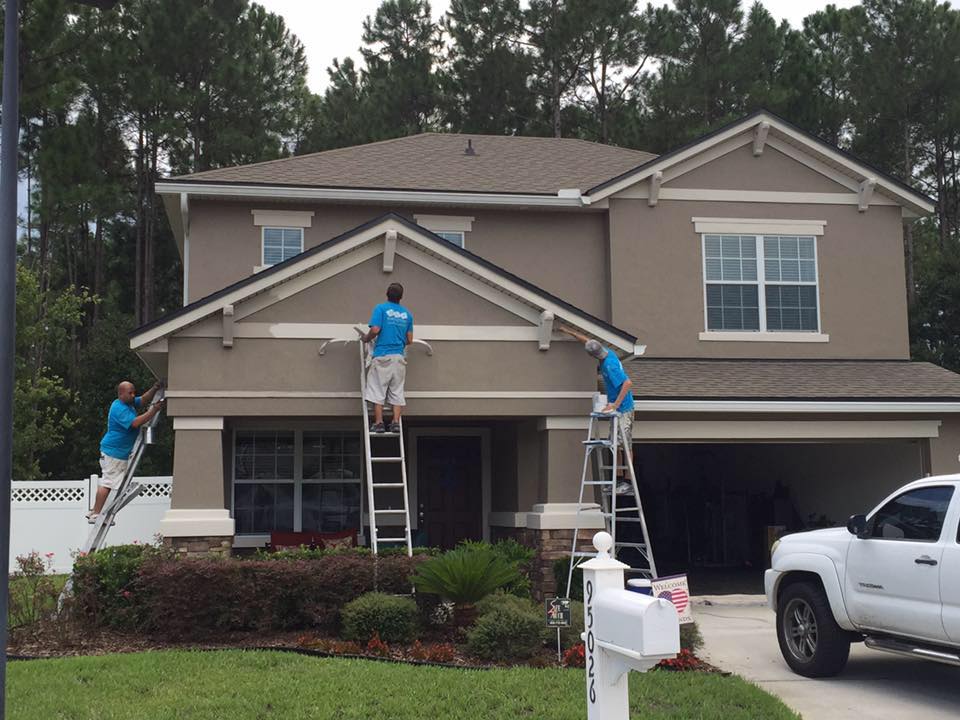
Your home’s exterior is the first thing people see. Before they step through the front door, before they see your carefully decorated living room or freshly renovated kitchen, they see the outside. And if that outside is coated in grime, streaked with algae, or dulled by years of weather exposure, it’s telling a story you probably didn’t intend.
Pristine exterior cleaning isn’t just about aesthetics. It’s about protecting one of the biggest investments of your life, maintaining your property’s value, and—frankly—feeling good about where you live. The difference between a home that’s been professionally cleaned and one that hasn’t can be striking, and it goes far beyond surface appearances.
Here’s what most homeowners get wrong about exterior cleaning, and why getting it right matters more than you think.
The Hidden Cost of a Dirty Exterior
Dirt is more than unsightly. Over time, the buildup of mold, mildew, algae, and grime can damage your home’s surfaces. Algae, for example, holds moisture against siding and roofing materials—accelerating decay and leading to repairs that can cost thousands of dollars. What starts as a green tinge on your roof tiles can quietly work its way into the structure beneath.
The same applies to driveways and pathways. Oil stains, moss, and compacted dirt don’t just look bad—they degrade concrete and pavers over time, creating cracks and uneven surfaces that become safety hazards.
Regular exterior cleaning removes these threats before they escalate. The cost of a professional clean is a fraction of what you’d pay to replace damaged siding, repaint weathered surfaces, or repair a cracked driveway.
What “Pristine” Actually Means
There’s a difference between clean and truly pristine. A basic rinse with a garden hose might remove loose dust, but it won’t touch embedded grime, biological growth, or oxidation. Achieving a genuinely pristine exterior requires the right techniques and equipment for each surface type.
Soft washing is ideal for more delicate surfaces like painted wood, render, and roof tiles. It uses low-pressure water combined with specialized cleaning solutions to break down and remove biological matter without causing damage. Algae, lichen, and mold are treated at the root—not just blasted off the surface—which means results last significantly longer.
Pressure washing, on the other hand, is better suited to hard surfaces like concrete driveways, brick walls, and stone pathways. The higher pressure strips away embedded dirt, oil, and stains that soft wash can’t match on those surfaces.
Knowing which method to use where is what separates a truly professional result from a DIY job that does more harm than good.
The Surfaces That Deserve More Attention
Most homeowners focus on the obvious areas—the front facade, the driveway, maybe the back patio. But a pristine exterior clean covers more ground than that.
Gutters and downpipes accumulate debris, algae, and organic matter that can block drainage and cause water damage. Cleaning them externally removes the unsightly staining that runs down your walls—a detail that’s easy to overlook but makes a big visual difference.
Fences and retaining walls often bear years of weather staining, lichen growth, and discoloration. A thorough clean can restore them to a condition that looks almost new, adding significant visual value to the whole property.
Decking and outdoor entertaining areas take a beating from the elements. Timber decks in particular can develop slippery mold and mildew coatings that not only look neglected but pose a genuine slip hazard. Regular cleaning keeps these spaces safe and inviting.
Window frames and sills are another often-neglected area. Even spotless glass loses its impact when surrounded by grimy, discolored frames. Cleaning the frames as part of a full exterior wash ties the whole look together.
The Property Value Argument
Real estate agents consistently point to curb appeal as one of the highest-impact, lowest-cost ways to increase a property’s perceived value. A clean exterior signals to buyers—and to neighbors—that the home has been well maintained. It implies care and attention that extends to the parts of the property they can’t see.
Studies in the US real estate market have found that strong curb appeal can add between 5% and 11% to a home’s sale price. For a $500,000 property, that’s a difference of up to $55,000—a significant return on what is typically a modest cleaning investment.
Even if you’re not planning to sell, there’s a strong case for maintaining your exterior simply in terms of the cost to restore versus the cost to maintain. Surfaces that are cleaned regularly are far cheaper to maintain over time than those that are left to deteriorate and eventually need replacement.
Why Professional Exterior Cleaning Outperforms DIY
Renting a pressure washer from a hardware store and taking a weekend to clean your exterior sounds reasonable in theory. In practice, it rarely delivers the results homeowners expect—and can sometimes cause damage that ends up costing more to fix.
Incorrect pressure settings can strip paint, etch soft surfaces, and force water into gaps that lead to internal moisture problems. Using the wrong cleaning products can bleach surfaces, kill garden plants, or simply fail to remove the biological growth that keeps returning season after season.
Professional exterior cleaners bring not just the equipment, but the knowledge to assess each surface correctly. They understand the difference between a stubborn oil stain on concrete and a calcium deposit on brick, and they treat each accordingly. They also carry appropriate insurance, which matters when working at heights or with powerful equipment near your property.
The result is a clean that’s thorough, safe, and built to last—not a quick fix that needs repeating every few months.
How Often Should You Clean Your Home’s Exterior?
There’s no single answer, but a general rule of thumb is a full exterior clean once a year, with targeted spot-cleaning as needed in between. Properties in humid or coastal climates tend to accumulate biological growth faster and may benefit from twice-yearly cleaning. Homes surrounded by trees tend to accumulate more debris and may require more frequent gutter and roof cleaning.
The key is not to wait until the problem becomes obvious. By the time algae staining is clearly visible on your roof, it has usually been growing for months. Proactive cleaning on a regular schedule prevents buildup from reaching the point where it causes real damage.
A Clean Exterior Is an Investment, Not an Expense
Pristine Exterior Cleaning helps property owners protect and maintain surfaces constantly exposed to the elements. It’s tempting to view exterior cleaning as optional maintenance—something to do when things start looking bad. But the homes and properties that stay in the best condition over time are those where cleaning is treated as a routine part of upkeep, not a last resort.
Pristine exterior cleaning protects your surfaces, enhances your curb appeal, and contributes to your property’s long-term value. It’s the kind of maintenance that pays for itself—quietly, consistently, and without the drama of emergency repairs.
Start with a professional assessment of your home’s exterior. Identify the surfaces that need attention and the methods best suited to each. Then build a cleaning schedule that keeps your property looking its best year-round. Your home works hard to shelter you—it’s worth looking after in return.