Water leaks in residential or commercial properties can lead to severe damage if not addressed promptly. One of the most insidious types of leaks occurs beneath concrete slabs, known as slab leaks. These leaks are hidden from plain sight, making them difficult to detect and often allowing substantial water loss before discovery. Slab leaks not only increase water bills but also compromise the structural integrity of a building, cause mold and mildew growth, and can damage flooring or foundations. Implementing proper slab leak detection methods is essential to identify these leaks early, minimize damage, and ensure the longevity of plumbing systems.
Slab leaks typically develop in water supply lines installed beneath a concrete foundation. These pipes are susceptible to corrosion, physical stress, and movement of the surrounding soil. Over time, these factors can create cracks, holes, or weakened joints that allow water to escape. Common causes of slab leaks include aging copper pipes that corrode over decades, polybutylene or PVC pipes that fail due to chemical stress or improper installation, and external pressures such as shifting soil, earthquakes, or construction activity. Even small leaks beneath a slab can waste thousands of gallons of water annually, emphasizing the importance of proactive detection strategies.
Signs of Slab Leaks
Detecting a slab leak requires awareness of both subtle and obvious signs. Homeowners may notice unexplained spikes in water bills, reduced water pressure, or damp spots on flooring or carpets. Unusual sounds such as the constant hissing or dripping of water when all faucets are off can indicate a hidden leak beneath the slab. Mold or mildew odors, warm spots on floors (especially with hot water leaks), or cracked or buckling flooring may also suggest water escaping under the foundation. While these signs can alert residents to a potential problem, professional slab leak detection services use advanced technology to accurately pinpoint the source of the leak without unnecessary disruption to the home.
Techniques for Slab Leak Detection
Modern slab leak detection employs a combination of methods that are non-invasive, accurate, and efficient. Acoustic leak detection is one of the most commonly used techniques, relying on sensitive microphones and listening devices to identify the sound of water escaping under pressure through pipes beneath the slab. Electronic leak detection uses electromagnetic sensors or ultrasonic waves to detect leaks in metallic or plastic pipes hidden beneath concrete. Thermal imaging cameras allow technicians to identify areas where temperature differences indicate escaping hot water, particularly useful in radiant heating systems or hot water supply lines. Ground-penetrating radar (GPR) is another innovative method that can map the layout of underground piping and reveal anomalies consistent with leaks. By combining these techniques, professionals can locate slab leaks precisely, reducing the need for extensive demolition or excavation.
The Importance of Early Slab Leak Detection
Early detection of slab leaks is critical to preventing extensive damage and higher repair costs. Water that escapes beneath a slab can weaken concrete, erode soil, and cause the foundation to settle or crack over time. This structural damage is often far more expensive to repair than the leak itself. Mold and mildew growth beneath flooring or within walls can present serious health risks, particularly for children, the elderly, or individuals with respiratory conditions. Financially, undetected slab leaks can lead to significant water wastage, resulting in elevated utility bills over months or even years. By using slab leak detection technologies early, homeowners can address leaks promptly, conserve water, reduce repair costs, and protect both property value and occupant health.
Residential and Commercial Applications
Slab leak detection is relevant in both residential and commercial settings. In homes, slab leaks most commonly occur in kitchens, bathrooms, or laundry areas, where water lines are embedded beneath the concrete foundation. Timely detection allows homeowners to repair the leaks without major disruption to living spaces. In commercial properties, slab leaks can affect large areas such as office buildings, warehouses, or hotels, where hidden leaks can waste vast quantities of water and affect multiple occupants or tenants. Detecting and repairing these leaks quickly helps prevent property damage, minimizes operational downtime, and ensures water efficiency in commercial operations. Overall, investing in slab leak detection services is a proactive approach that protects both infrastructure and finances.
Cost and Methods of Repair
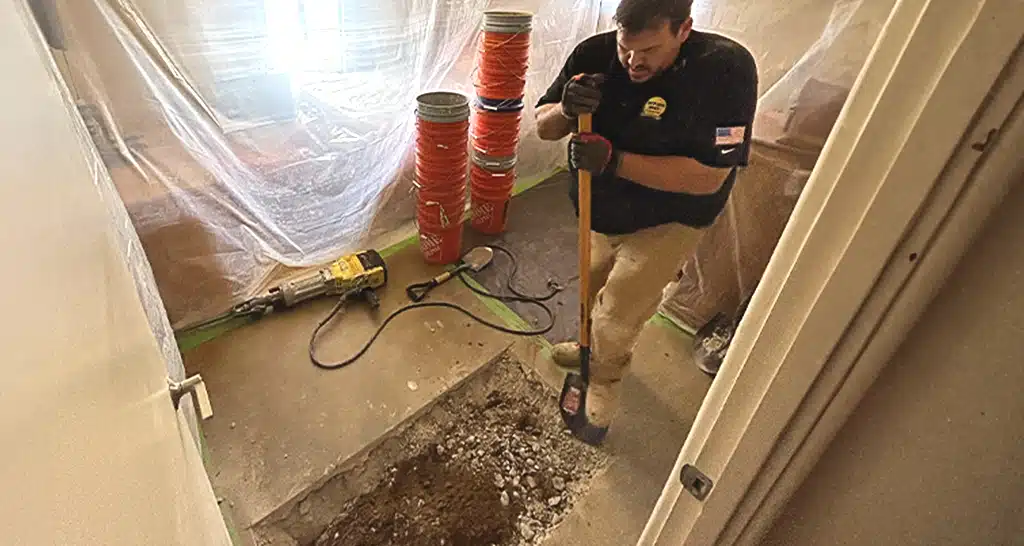
Once a slab leak is detected, several repair methods may be employed depending on the severity and location of the leak. Spot repair involves accessing the specific area of the leak and replacing the affected section of pipe, minimizing disruption to the surrounding slab. Pipe rerouting may be necessary in cases where the original piping is extensively corroded or difficult to access. In some situations, trenchless repair techniques, such as pipe lining or pipe bursting, allow for the replacement or reinforcement of underground pipes without extensive excavation. The cost of repair varies based on factors such as the complexity of the plumbing system, the accessibility of the leak, and the repair method used. Regardless of the approach, early detection reduces the scale and cost of repairs significantly.
Preventive Measures for Slab Leaks
Preventing slab leaks is possible with proper maintenance, material choice, and installation practices. Using high-quality, durable piping materials such as PEX or modern copper alloys can minimize corrosion and chemical stress. Maintaining appropriate water pressure and avoiding sudden surges reduces the stress on buried pipes. Periodic inspection and proactive monitoring of water usage can help homeowners detect anomalies before they escalate into full-fledged leaks. In new constructions, professional installation practices that account for soil conditions, slab thickness, and proper pipe insulation help reduce the likelihood of future leaks. These preventive measures, combined with professional slab leak detection when necessary, provide a comprehensive approach to long-term plumbing system health.
Emerging Technologies in Slab Leak Detection
The field of slab leak detection continues to evolve with technological advancements. Smart water monitoring systems integrated with IoT devices can detect sudden changes in water pressure or flow, alerting homeowners and facility managers to potential leaks in real time. Acoustic sensors linked to mobile applications allow technicians to identify leaks remotely with precision. Thermal imaging drones and advanced radar technologies are being used in large commercial projects to inspect foundations without disruption. Predictive analytics and machine learning can analyze historical water usage patterns, identifying areas at high risk for leaks and allowing preventive maintenance before leaks occur. These innovations make slab leak detection more efficient, accurate, and minimally invasive than ever before.
Conclusion
Slab leaks are a serious concern for any property with pipes embedded beneath concrete foundations. Undetected leaks can lead to significant water wastage, structural damage, mold growth, and costly repairs. Implementing professional slab leak detection techniques ensures that leaks are identified early, allowing for timely and precise repair. Advanced technologies such as acoustic detection, electronic sensors, thermal imaging, and ground-penetrating radar provide non-invasive solutions that protect both property and plumbing infrastructure. Combining these technologies with preventive measures and proper maintenance extends the life of water systems, conserves resources, and safeguards the health and safety of occupants. By prioritizing slab leak detection, homeowners and commercial property managers can mitigate risks, save money, and maintain the long-term integrity of their buildings and water systems.