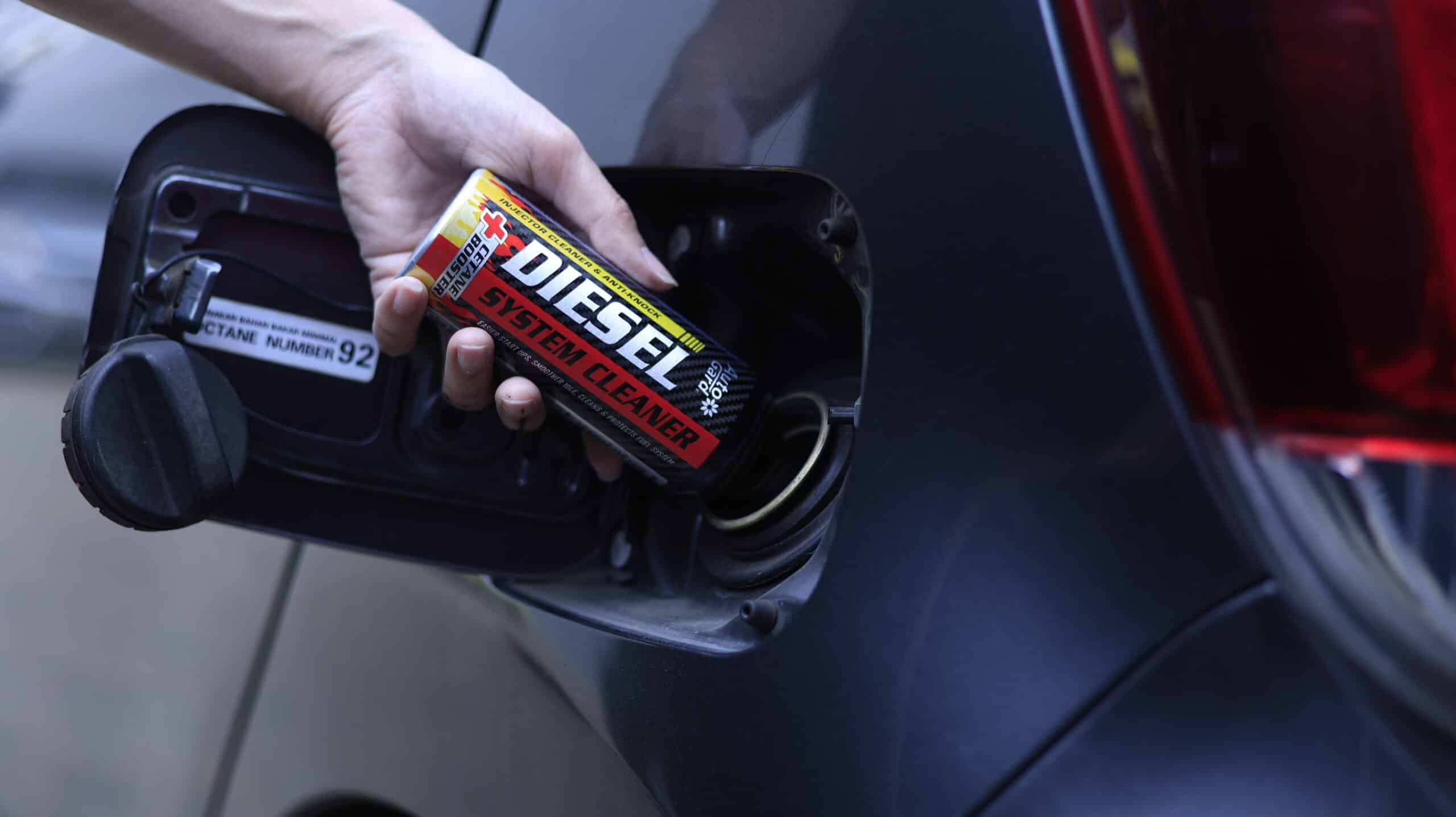
Modern diesel engines are engineered to deliver exceptional power, torque, and fuel efficiency, making them a popular choice for heavy-duty trucks, commercial vehicles, agricultural equipment, and industrial machinery. However, diesel engines also produce nitrogen oxide (NOx) emissions, which contribute to air pollution and environmental concerns. To address this issue and meet strict emission regulations, manufacturers introduced advanced aftertreatment systems that rely on exhaust fluid to significantly reduce harmful emissions. This innovative solution plays a crucial role in ensuring that diesel-powered vehicles operate efficiently while maintaining compliance with environmental standards.
Exhaustfluid is a carefully formulated solution designed to work within selective catalytic reduction (SCR) systems, a technology widely adopted in modern diesel engines. By converting harmful nitrogen oxides into harmless nitrogen and water vapor, exhaust fluid helps reduce environmental impact without compromising engine performance. Understanding how this fluid works, why it is necessary, and how to maintain it properly can help vehicle owners and operators maximize efficiency, prolong engine life, and avoid costly repairs or compliance issues.
What Is ExhaustFluid?
Exhaust fluid is a non-toxic, colorless solution composed primarily of high-purity urea and deionized water. It is specifically designed for use in selective catalytic reduction systems installed in diesel vehicles. When injected into the exhaust stream, the fluid reacts with nitrogen oxide emissions, breaking them down into nitrogen and water vapor before they exit the tailpipe. This chemical process significantly reduces harmful pollutants and ensures compliance with emission standards.
Unlike fuel additives, exhaust fluid is stored in a separate tank and never mixes with diesel fuel. It is introduced into the exhaust system only after combustion has occurred. The SCR catalyst then facilitates the reaction that neutralizes emissions. Because of its precise chemical composition, only certified exhaust fluid should be used to ensure optimal performance and to prevent damage to the emission control system.
Why ExhaustFluid Is Important
The introduction of exhaust fluid revolutionized diesel emission control by allowing engines to operate more efficiently while still meeting environmental regulations. Instead of restricting engine performance to reduce emissions, manufacturers can optimize combustion for power and fuel economy while relying on SCR technology to manage nitrogen oxide levels.
Environmental protection is one of the primary benefits of using exhaust fluid. Nitrogen oxide emissions contribute to smog, acid rain, and respiratory health issues. By converting these emissions into harmless compounds, exhaust fluid plays a vital role in improving air quality. Additionally, vehicles equipped with SCR systems often experience improved fuel efficiency compared to older emission control methods, resulting in long-term cost savings for vehicle owners.
Compliance with emission regulations is another critical factor. Many regions require diesel vehicles to meet strict standards, and failure to maintain proper exhaust fluid levels can result in reduced engine performance or even vehicle shutdown in certain systems. Proper use of exhaust fluid ensures uninterrupted operation and regulatory compliance.
How ExhaustFluid Works in SCR Systems
The operation of exhaust fluid within an SCR system involves a carefully controlled process. As the diesel engine produces exhaust gases, sensors measure the level of nitrogen oxide present. Based on these readings, a precise amount of exhaust fluid is injected into the exhaust stream. The heat of the exhaust converts the fluid into ammonia, which reacts with nitrogen oxides in the presence of a catalyst.
This chemical reaction transforms nitrogen oxides into nitrogen and water vapor, both of which are naturally occurring and harmless to the environment. The process does not interfere with engine performance, as it occurs after combustion. Instead, it allows the engine to operate efficiently while maintaining environmental responsibility.
Modern SCR systems are equipped with advanced sensors and control modules that monitor exhaust fluid levels, quality, and injection rates. If the fluid level becomes too low or contaminated, warning lights appear on the dashboard, prompting the driver to refill or service the system. Maintaining the correct fluid quality and level ensures consistent emission control and engine performance.
Benefits of Using ExhaustFluid
The use of exhaust fluid provides numerous benefits for vehicle owners, fleet operators, and the environment. One of the most significant advantages is improved fuel efficiency. Because SCR systems allow engines to operate at optimal combustion temperatures, vehicles often achieve better mileage compared to older emission technologies.
Another benefit is reduced environmental impact. By significantly lowering nitrogen oxide emissions, exhaust fluid contributes to cleaner air and a healthier environment. This is particularly important in urban areas where air quality is a growing concern.
Engine longevity is also enhanced. Proper emission control reduces the buildup of harmful residues within the exhaust system, minimizing wear and tear on components. Additionally, maintaining correct exhaust fluid levels prevents engine derating or shutdowns caused by non-compliance with emission standards.
Fleet operators benefit from predictable maintenance schedules and reduced downtime. Since exhaust fluid consumption is typically proportional to fuel usage, operators can plan refills alongside regular fueling stops, ensuring uninterrupted operations.
Proper Storage and Handling of ExhaustFluid
Maintaining the quality of exhaust fluid is essential for optimal performance. The fluid should be stored in a cool, dry place away from direct sunlight and extreme temperatures. Exposure to high heat can degrade the solution, while freezing temperatures may cause it to crystallize. Fortunately, properly formulated exhaust fluid can thaw without losing effectiveness, provided it is not contaminated.
It is important to use clean containers and equipment when handling exhaust fluid. Contamination with dirt, fuel, or other chemicals can damage the SCR system and lead to costly repairs. Only approved, high-quality exhaust fluid should be used to ensure compatibility with the vehicle’s emission control system.
When refilling the tank, care should be taken to avoid spills. Although the fluid is non-toxic, it can leave white crystalline residues when dried. Cleaning spills promptly prevents buildup and maintains cleanliness around the vehicle.
Common Issues and Troubleshooting
Despite its reliability, issues related to exhaust fluid can arise if maintenance is neglected. Low fluid levels are among the most common problems, often triggering dashboard warnings. Ignoring these warnings may result in reduced engine power or restricted vehicle speed.
Contaminated fluid is another potential issue. Using low-quality or improperly stored exhaust fluid can clog injectors, damage sensors, and reduce system efficiency. Regularly checking fluid quality and purchasing from reputable suppliers minimizes these risks.
Sensor malfunctions or crystallization in the injection system may also occur. Routine inspections and adherence to manufacturer guidelines ensure the SCR system operates smoothly. Addressing minor issues promptly prevents costly repairs and maintains compliance with emission standards.
Consumption and Refilling Guidelines
Exhaust fluid consumption varies depending on engine size, driving conditions, and load. On average, diesel vehicles use approximately two to three percent of diesel fuel consumption in exhaust fluid. For example, if a truck consumes one hundred liters of diesel, it may require two to three liters of exhaust fluid.
Drivers should monitor fluid levels regularly and refill as needed. Most modern vehicles display fluid levels and provide alerts well in advance of depletion. Refilling is straightforward, typically involving a dedicated tank with a clearly marked cap. Following manufacturer recommendations for refill intervals and fluid type ensures consistent performance and reliability.
Environmental and Economic Impact
The widespread adoption of exhaust fluid has significantly reduced nitrogen oxide emissions from diesel vehicles worldwide. This reduction contributes to cleaner air, improved public health, and compliance with global environmental standards. Governments and regulatory agencies continue to enforce stricter emission requirements, making exhaust fluid an essential component of modern diesel technology.
Economically, exhaust fluid supports cost-effective operations by enabling better fuel efficiency and preventing penalties associated with non-compliance. Fleet operators, transportation companies, and individual vehicle owners benefit from reduced operational costs and enhanced sustainability.
The Future of ExhaustFluid Technology
As emission standards continue to evolve, advancements in SCR technology and exhaustfluid formulations are expected to enhance performance and efficiency further. Research and development efforts focus on improving catalyst durability, reducing fluid consumption, and enhancing system reliability. These innovations will continue to support environmental goals while maintaining the power and efficiency that diesel engines are known for.
The integration of digital monitoring systems and telematics also enables real-time tracking of exhaust fluid usage and system performance. Fleet managers can analyze data to optimize maintenance schedules, reduce downtime, and ensure compliance with regulations. The continued development of emission control technology underscores the critical role of exhaust fluid in modern transportation.
Conclusion
Exhaust fluid is an indispensable component of modern diesel engine technology, playing a vital role in reducing harmful emissions and supporting environmental sustainability. Through its use in selective catalytic reduction systems, exhaust fluid transforms nitrogen oxides into harmless nitrogen and water vapor, enabling diesel engines to operate efficiently while meeting strict emission standards. Proper storage, handling, and maintenance ensure optimal system performance, fuel efficiency, and compliance with regulations. Whether for individual vehicle owners or large fleet operators, understanding and maintaining exhaust fluid systems is essential for reliable, efficient, and environmentally responsible diesel engine operation. By prioritizing quality fluid, regular refills, and professional maintenance when necessary, operators can ensure long-term performance, reduced environmental impact, and uninterrupted vehicle functionality.