Understanding the Role of an Exterminator
Pest infestations are a common challenge for both residential and commercial properties, posing risks to health, property integrity, and overall comfort. An exterminator is a trained professional who specializes in identifying, controlling, and eliminating a wide variety of pests, including insects, rodents, and other unwanted organisms. Unlike DIY methods that may offer only temporary relief, professional exterminators bring expertise, tools, and targeted treatments that effectively address the root of the problem. Their work involves not only the elimination of existing pests but also the prevention of future infestations, making their role essential for maintaining a safe and hygienic environment. Professional extermination services are particularly valuable because they combine knowledge of pest behavior, safe chemical applications, and strategic planning to deliver solutions that are both efficient and environmentally responsible.
Identifying Common Pest Problems
The first step in effective pest management is understanding the types of pests that can infest properties and the specific risks they pose. Common household pests include ants, cockroaches, termites, spiders, and rodents, each with unique behaviors and vulnerabilities. For example, termites can silently damage wooden structures over time, while rodents may carry diseases that threaten human and pet health. Commercial properties face similar challenges, often with increased stakes due to regulatory compliance and the need to maintain a safe environment for customers and employees. An exterminator is skilled at identifying infestations early, recognizing signs such as droppings, gnaw marks, nests, or structural damage, and recommending the most effective treatment methods tailored to the type of pest and severity of the problem. Early identification and intervention are crucial, as untreated infestations can escalate quickly, causing extensive property damage and health risks.
Methods and Techniques Used by Exterminators
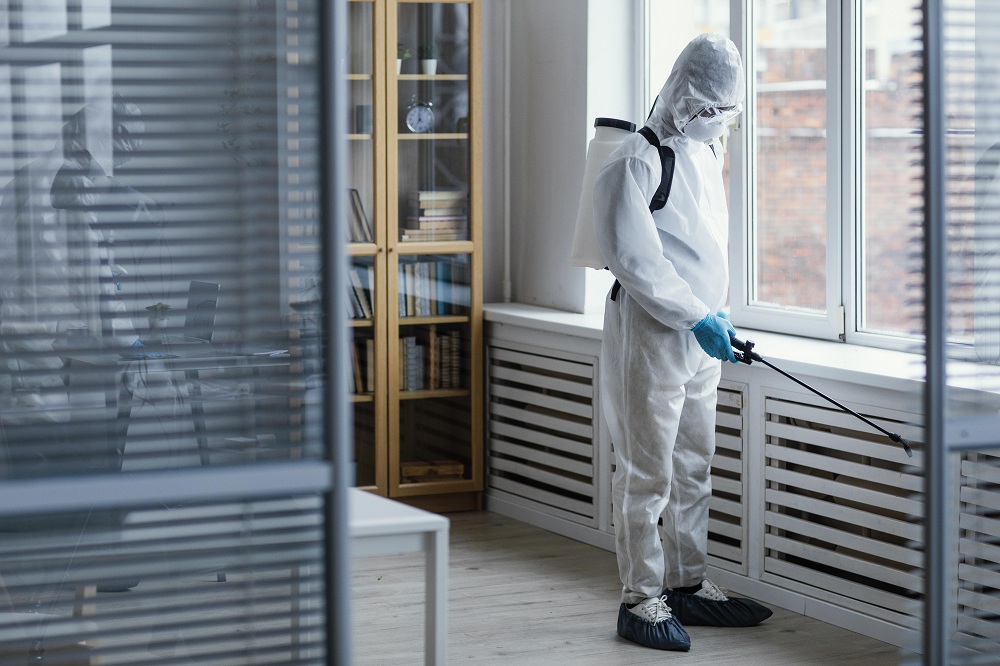
Exterminators employ a variety of methods to eliminate pests, depending on the species, environment, and level of infestation. Chemical treatments remain widely used, involving the application of pesticides designed to target specific pests while minimizing harm to humans, pets, and the surrounding environment. Many modern exterminators also use eco-friendly or integrated pest management (IPM) strategies that combine physical barriers, habitat modification, and biological control measures with chemical treatments to achieve long-lasting results. Advanced techniques may include baiting systems, traps, and fumigation for severe infestations, as well as ongoing monitoring to ensure that pest populations are effectively controlled. A professional exterminator evaluates the unique circumstances of each property to develop a customized plan, ensuring that treatments are precise, safe, and effective, addressing both the immediate problem and future prevention.
The Importance of Hiring a Professional Exterminator
While many homeowners may attempt DIY pest control solutions, professional exterminators provide advantages that go beyond simple eradication. Training and experience allow them to identify pest species accurately, understand their behaviors, and implement treatments that target the source rather than just the symptoms. Safety is another critical factor, as improperly handled chemicals or tools can pose risks to humans, pets, and the environment. Professionals are also equipped with specialized equipment, including high-grade sprayers, baiting stations, and detection tools, which enhance the effectiveness of their interventions. Furthermore, professional exterminators often provide follow-up inspections and maintenance plans, ensuring that the property remains pest-free over time. Engaging a professional service offers peace of mind and long-term protection that DIY methods cannot reliably achieve.
Preventive Strategies and Best Practices
Preventing infestations is as important as eliminating existing pests. A comprehensive approach involves reducing conditions that attract pests, sealing entry points, and maintaining a clean environment. Proper storage of food, regular waste disposal, and sealing cracks or gaps in structures can significantly reduce the risk of infestation. Landscaping practices, such as trimming vegetation and removing standing water, also play a role in preventing outdoor pests from entering indoor spaces. Many exterminators advise implementing these preventive strategies alongside professional treatments, creating a holistic pest management plan that addresses both immediate threats and long-term prevention. This proactive approach reduces the likelihood of recurring infestations and protects both property and occupant health.
Health and Safety Considerations
Pest infestations are not only inconvenient; they can also present significant health hazards. Rodents, cockroaches, and other pests can carry bacteria, viruses, and parasites that threaten human and animal health. Allergens, such as dust from insect droppings or shed skin, can exacerbate respiratory issues and trigger allergic reactions. Using professional extermination services ensures that treatment methods are applied safely and effectively, minimizing exposure to harmful chemicals while controlling the pest population. A licensed exterminator adheres to regulatory standards and safety protocols, reducing the risk of accidental poisoning or environmental contamination. Prioritizing health and safety in pest management is critical for creating a secure, clean, and comfortable living or working environment.
Cost-Effectiveness of Professional Pest Control
While hiring an exterminator involves an upfront cost, it is often more cost-effective than dealing with the consequences of uncontrolled infestations. Untreated pests can cause structural damage, spoil stored goods, and create health hazards that result in medical expenses or legal liabilities. In contrast, professional extermination services provide a targeted and efficient solution, eliminating the source of the problem and preventing future occurrences. Many services offer maintenance plans or periodic inspections, ensuring continuous protection and reducing the likelihood of costly emergency interventions. Investing in professional pest control is not just a one-time expense but a strategic measure that preserves property value, protects health, and enhances overall peace of mind.
Choosing the Right Exterminator
Selecting the right exterminator is crucial to achieving effective pest control results. Property owners should consider factors such as experience, certifications, reputation, and the range of services offered. A qualified exterminator will conduct a thorough inspection, identify the type and extent of the infestation, and recommend a customized treatment plan. Transparency regarding pricing, safety protocols, and expected outcomes is also important to ensure that clients understand the service being provided. A reliable professional will provide follow-up support, monitor progress, and make adjustments as needed to guarantee lasting results. Choosing the right exterminator ensures not only the immediate elimination of pests but also long-term protection and peace of mind.
Emerging Trends and Technologies in Pest Control
The field of pest control is continuously evolving, with new technologies and methods improving the effectiveness and safety of extermination services. Innovations include smart monitoring devices, environmentally friendly pesticides, and integrated pest management strategies that combine multiple approaches for more sustainable outcomes. Digital tracking systems allow exterminators to monitor infestations over time, adjusting treatments based on real-time data and predictive analytics. These advancements enable exterminators to provide more precise, efficient, and environmentally responsible services, ensuring that pest management solutions keep pace with changing conditions and evolving threats. Embracing new technologies is key to maximizing the effectiveness of professional pest control efforts.
Conclusion: The Value of a Professional Exterminator
In conclusion, the role of an exterminator is vital for maintaining a safe, healthy, and pest-free environment. From accurate identification of pests to the application of targeted treatment strategies and long-term prevention plans, professional exterminators provide expertise, tools, and peace of mind that DIY solutions cannot match. By addressing immediate infestations, implementing preventive measures, and leveraging the latest technologies, exterminators ensure comprehensive protection for both residential and commercial properties. Investing in professional pest control is an essential step toward safeguarding property, protecting health, and maintaining a comfortable, secure environment. The expertise and efficiency of a professional exterminator make them an indispensable partner in effective pest management.