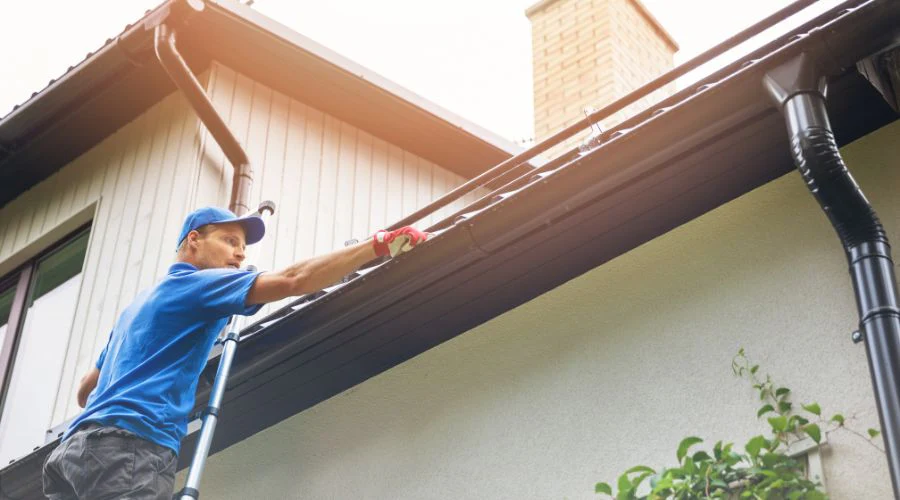
Gutter systems play a critical role in safeguarding the structural integrity of buildings and homes. Often overlooked until problems arise, these systems are fundamental to preventing water damage, soil erosion, and foundation issues. Understanding the design, types, and maintenance of gutter systems is crucial for any property owner seeking long-term durability and protection for their investment.
At their core, gutter systems are designed to collect rainwater from roofs and channel it safely away from the foundation of a building. By doing so, they prevent water from pooling around the base of the structure, which could otherwise lead to cracks, mold growth, and structural instability. While they may seem like a simple component of a home, the science and engineering behind modern gutter systems ensure that they effectively handle varying amounts of rainfall, accommodate roof designs, and integrate with other water management solutions.
Types of Gutter Systems
When considering gutter systems, it’s important to recognize that there are several types, each with its own advantages and ideal use cases. The most common types include:
- K-Style Gutters: Named for their distinctive K-shaped profile, these gutter systems are highly popular due to their durability and capacity to handle large volumes of water. Their design not only channels water efficiently but also adds an aesthetic appeal to the building’s exterior.
- Half-Round Gutters: As the name suggests, these gutters have a semicircular shape. They are often preferred in historic homes or buildings with traditional architecture due to their classic appearance. While they may hold less water than K-style gutters, they provide excellent water flow and are less prone to clogging.
- Seamless Gutters: A seamless gutter system is constructed from a continuous piece of material, typically aluminum, copper, or steel. Because they lack joints, they significantly reduce the chances of leaks and require less maintenance over time. Seamless gutters can be custom-fitted to any roof size, offering a sleek and effective solution for modern homes.
- Box Gutters: Integrated into the roofline itself, box gutters are designed for buildings with flat or low-slope roofs. These systems are hidden from view and manage water internally, reducing the visual impact while ensuring effective drainage.
Each type of gutter system comes with distinct installation requirements and maintenance needs. Choosing the right system depends on factors such as rainfall intensity, roof design, and aesthetic preference. Consulting with a professional installer ensures that the selected system will perform optimally for years to come.
Importance of Proper Installation
The effectiveness of gutter systems is highly dependent on correct installation. Even the most advanced gutters can fail if they are not installed with proper slope, alignment, and support. The slope, or pitch, of a gutter system ensures that water flows naturally toward the downspouts without pooling or overflowing. Typically, a slope of 1/16 to 1/8 inch per foot is recommended to maintain optimal drainage.
Support brackets are another critical component. These brackets secure the gutters to the fascia board and maintain their position under the weight of rainwater, debris, and occasional snow. Improperly spaced or weak brackets can cause gutters to sag, resulting in leaks, overflow, and potential damage to the roof edge.
Downspouts, the vertical pipes connected to the gutters, must also be strategically positioned to direct water away from the foundation. Inadequate or poorly placed downspouts can negate the benefits of even the most well-designed gutter system, leading to erosion and basement flooding. Therefore, the installation process is not merely a matter of attachment but requires careful planning, precise measurement, and attention to detail.
Maintenance and Longevity
Maintaining gutter systems is essential to ensure their long-term performance. Debris such as leaves, twigs, and dirt can accumulate in the channels, obstructing water flow and causing overflow during heavy rains. Regular cleaning, at least twice a year, is recommended to prevent clogs and maintain efficiency.
In addition to manual cleaning, homeowners may consider installing gutter guards. These protective screens or covers prevent large debris from entering the gutter system while allowing water to flow freely. Gutter guards reduce maintenance frequency and help protect the structural components of the system, extending its lifespan.
Routine inspections are equally important. Over time, gutters may develop leaks at seams or joints, corrosion in metal gutters, or cracks in plastic variants. Addressing minor issues promptly prevents them from escalating into more serious and costly damage. Furthermore, ensuring that downspouts are unobstructed and directing water away from the property safeguards the foundation and landscaping.
Environmental and Structural Benefits
Beyond protecting a building’s foundation, gutter systems offer significant environmental and practical benefits. Properly installed gutters prevent soil erosion by channeling water away from landscaping and garden beds. This controlled water flow preserves the aesthetic appeal and health of lawns, flower beds, and other vegetation.
Additionally, gutter systems contribute to water conservation strategies. Rainwater collected through gutters can be redirected into storage tanks or rain barrels, providing an eco-friendly source of water for irrigation or other non-potable uses. This practice not only reduces reliance on municipal water but also helps manage stormwater runoff, which can otherwise overwhelm drainage systems during heavy rainfall.
From a structural perspective, gutter systems shield siding, windows, and doors from water damage. Without gutters, rainwater can continuously run down exterior walls, causing paint to peel, wood to rot, and masonry to deteriorate. By managing water effectively, gutters extend the life of building materials and maintain the integrity of the structure.
Gutter Systems in Modern Construction
In contemporary architecture, gutter systems are no longer just functional; they have evolved into integrated design elements that complement building aesthetics. Seamless gutters, custom colors, and decorative profiles allow homeowners and architects to maintain visual harmony while ensuring effective water management.
Advancements in materials have also improved durability and performance. Aluminum gutters are lightweight, rust-resistant, and cost-effective, while copper gutters offer unmatched longevity and a distinctive appearance. Steel and vinyl options provide additional choices tailored to specific building requirements and budget considerations.
Modern gutter systems are also designed to handle extreme weather conditions, from heavy storms to snow accumulation. Features such as heated gutter systems prevent ice dams in colder climates, ensuring that water continues to flow smoothly even in winter months. These innovations underscore the importance of selecting a gutter system that aligns with both environmental conditions and long-term performance expectations.
Conclusion
Investing in quality gutter systems in Westchester County, NY is essential for protecting a property from water damage, preserving landscaping, and enhancing structural longevity. By understanding the different types of systems, the importance of proper installation, and the role of maintenance, homeowners can make informed decisions that safeguard their investment for decades. Whether integrated as a design element or installed for purely functional purposes, gutter systems remain a cornerstone of effective home water management, providing peace of mind and a reliable defense against nature’s unpredictability.
Ensuring that your home is equipped with well-designed and properly maintained gutter systems is an investment in safety, durability, and environmental stewardship. With regular care, attention to materials, and professional installation, these systems will continue to serve as an indispensable part of any property’s infrastructure.